
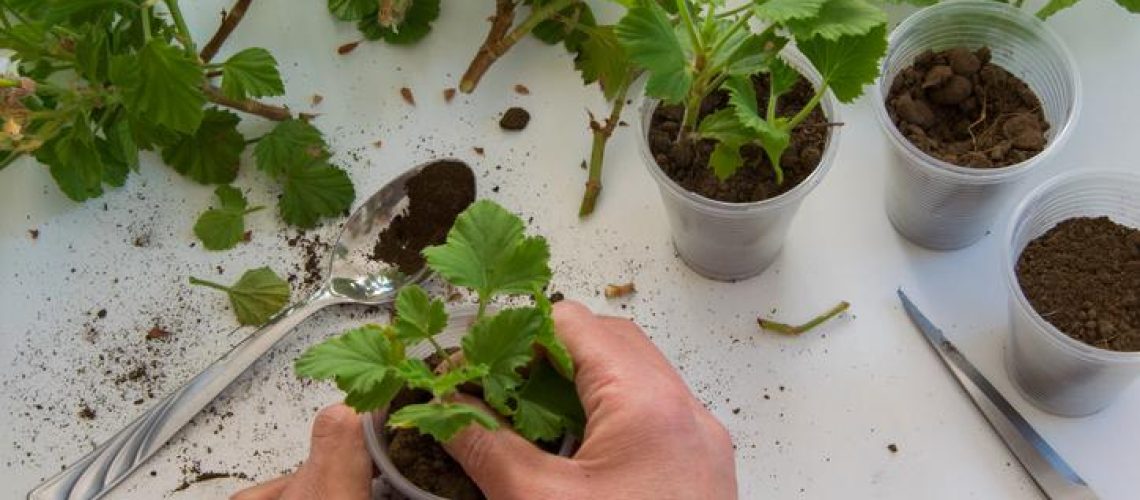

🌱 Propagating Plants for the Garden
💰 Save Money by Growing Your Own
A visit to the garden centre can be expensive, so creating your own plants from established healthy plants in your garden makes sense, plus it’s easy and very rewarding!
There are two ways to achieve this, either from root cuttings or softwood cuttings.
🌿 Propagating from Root Cuttings
Acanthus Mollis (Bears breeches), Anemone japonica and Phlox Paniculata can all be successfully propagated from root cuttings. Dig up the whole plant and remove some of the thicker roots. Rinse these well, then trim off the thinner end of the root, leaving the fleshier part. Place this lengthwise in a deep seed tray of compost mixed with vermiculite. Cover with a layer of compost and firm down gently. Water well and place the seed tray in a shady position in the garden, keeping the soil fairly dry as too much watering will rot the cuttings. New roots will start to appear in 3-4 weeks, and, once they are around 3cm long they can be potted up.

✂️ Taking Softwood Cuttings
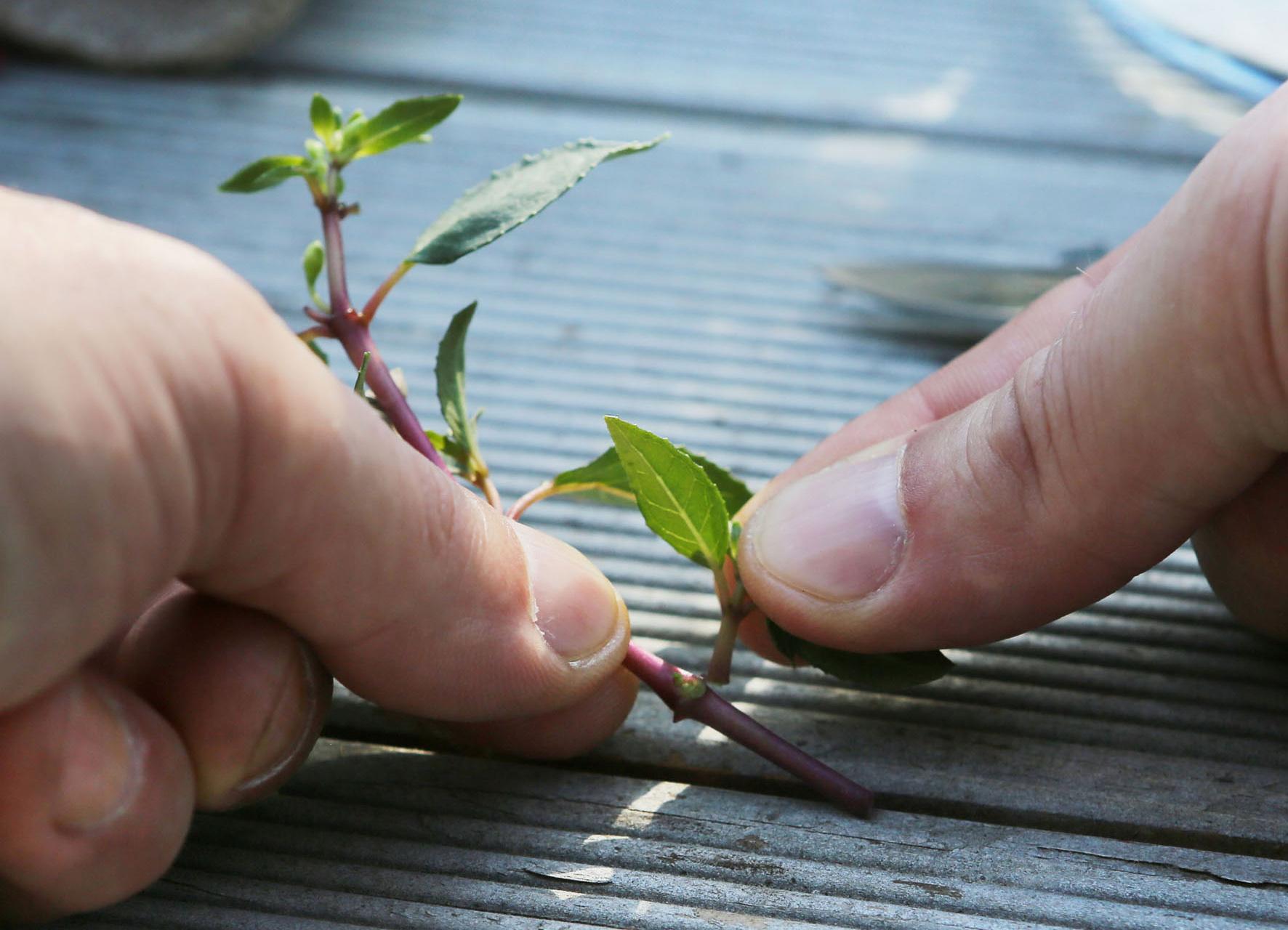
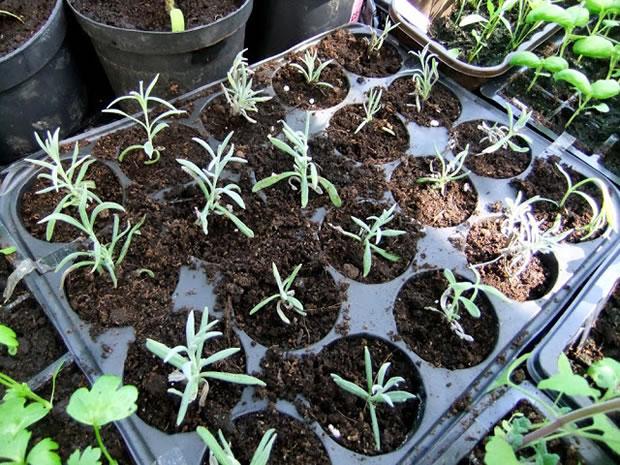
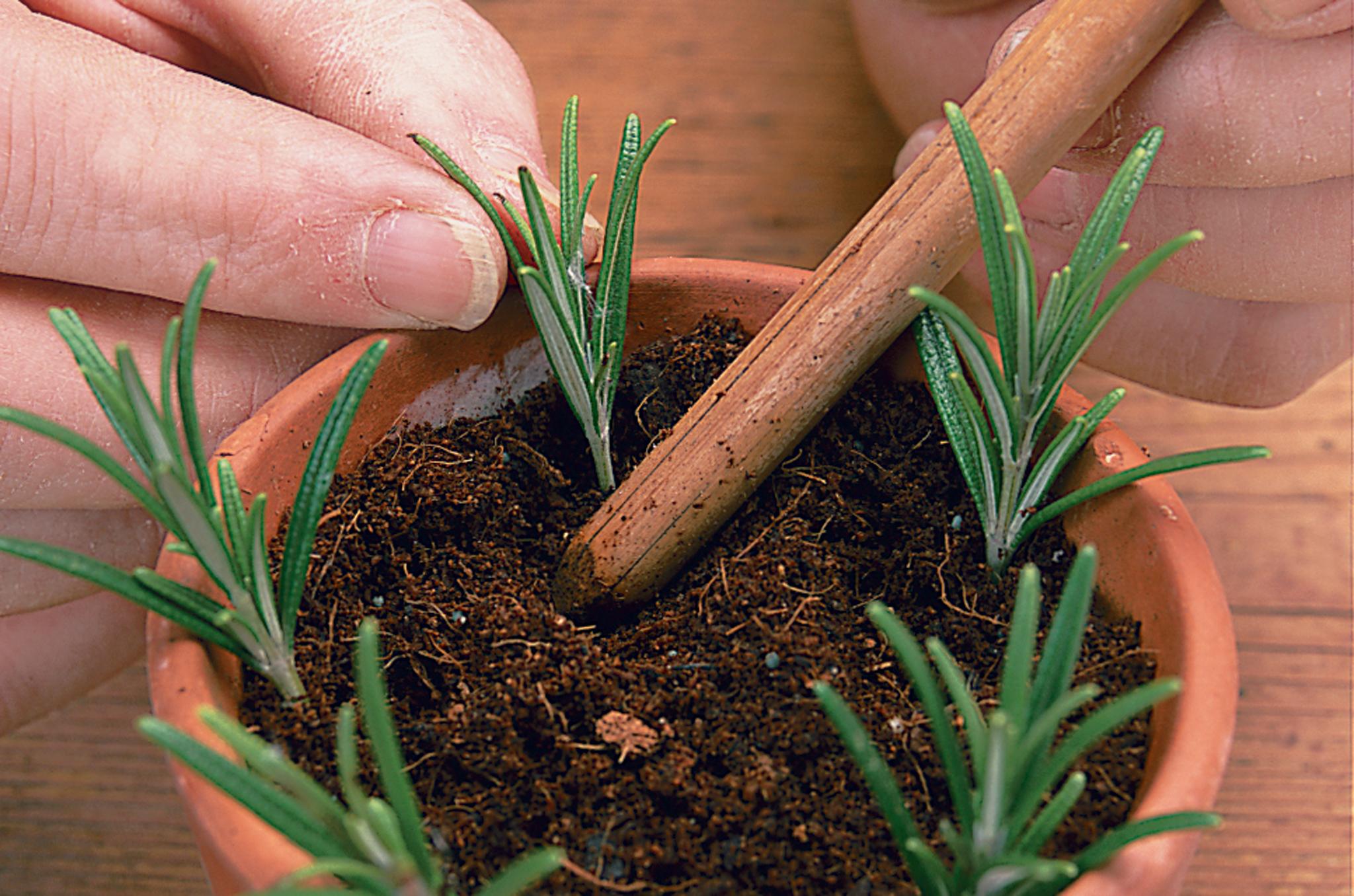
Softwood cuttings are very easy to take from Perlagoliums, Fuschias, Rosemary, Lavender and Daisies. Cut a shoot of about 10cm long that is new and healthy, remove any buds, flowers and lower leaves, leaving just 3 or 4 leaves at the top. Cut the base of the stem just below a node (leaf joint), dip the base into water, then into rooting powder, shaking off any excess. Make 3 or 4 holes with a dibber around a medium sized pot filled with compost mixed with some vermiculite or grit for drainage.
Gently push the cuttings into the soil and cover with a plastic bag, and place in a warm, light spot, not in direct sunlight. The cuttings will have roots appearing after 6-10 weeks, when you can repot them singly in larger pots to allow them to develop before being planted out in the garden. Note: when collecting the cuttings take a medium sized plastic bag with you to pop the cuttings in to prevent the cutting from losing moisture.
🌱 Experiment and Grow More
Try experimenting with other plants, herbs are a great example.
Village Gardens is an established landscaping and garden design company in Cape Town’s Southern Suburbs, creating beautiful outdoor spaces that balance aesthetics, practicality and environmental sustainability.
Their expertise includes water-wise landscapes, indigenous gardens, edible gardens and outdoor spaces designed to attract and support local wildlife.