

🌿 Why Make Your Own Compost?
One of the easiest and best ways to nourish your soil and keep your garden plants healthy is to make your own compost.
🏗️ Setting Up Your Compost Heap
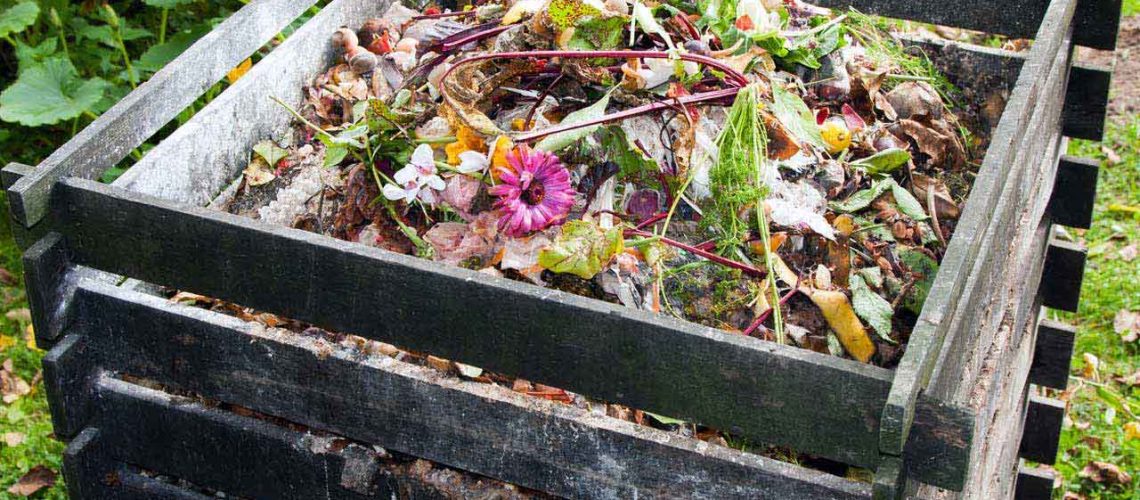
You can use a compost bin, or, alternatively, make your own using old pallets, fencing or bricks to make an enclosure for a compost heap. Position the heap in a sunny spot, on well-drained soil, loosening the soil to attract worms and other organisms which will break down the compost. Small branches or twigs laid at the bottom of the heap before adding compost will provide essential ventilation to help with the composting process.
♻️ Building a Successful Compost Heap
A successful compost heap or bin needs to have compostable waste added in layers of garden (green) and household (brown) waste materials. Adding a little more brown (household) waste will help avoid the heap becoming too wet and smelly.

🍃 Green Waste Materials
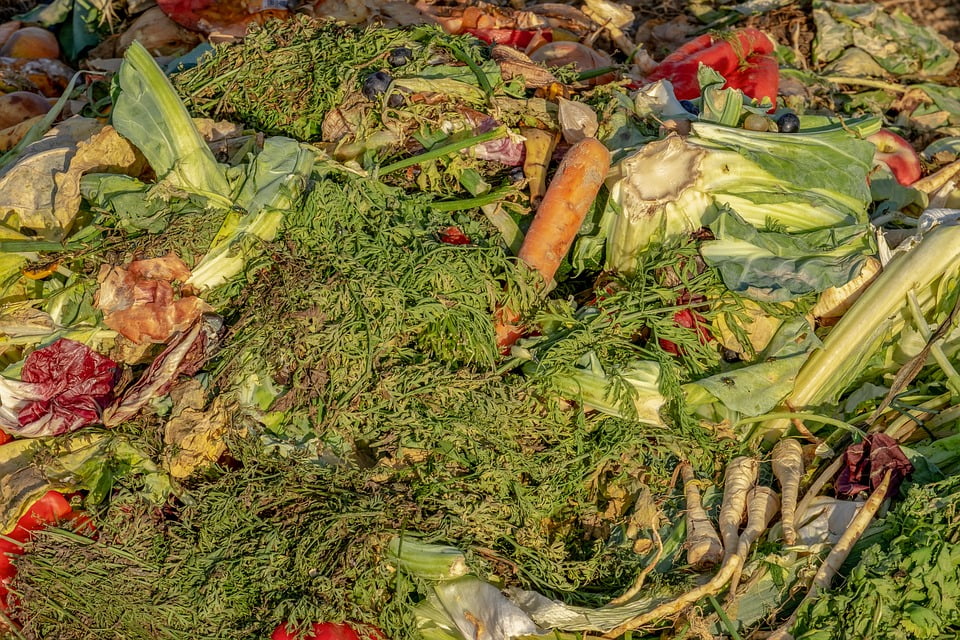
Green waste includes untreated grass cuttings, high in nitrogen and a natural compost activator. Fallen leaves, readily available in Autumn, are a great source of carbon. They do take longer to break down but generate the best compost. Soft plant cuttings, weeds that have not gone to seed or have roots.
📦 Brown Waste Materials
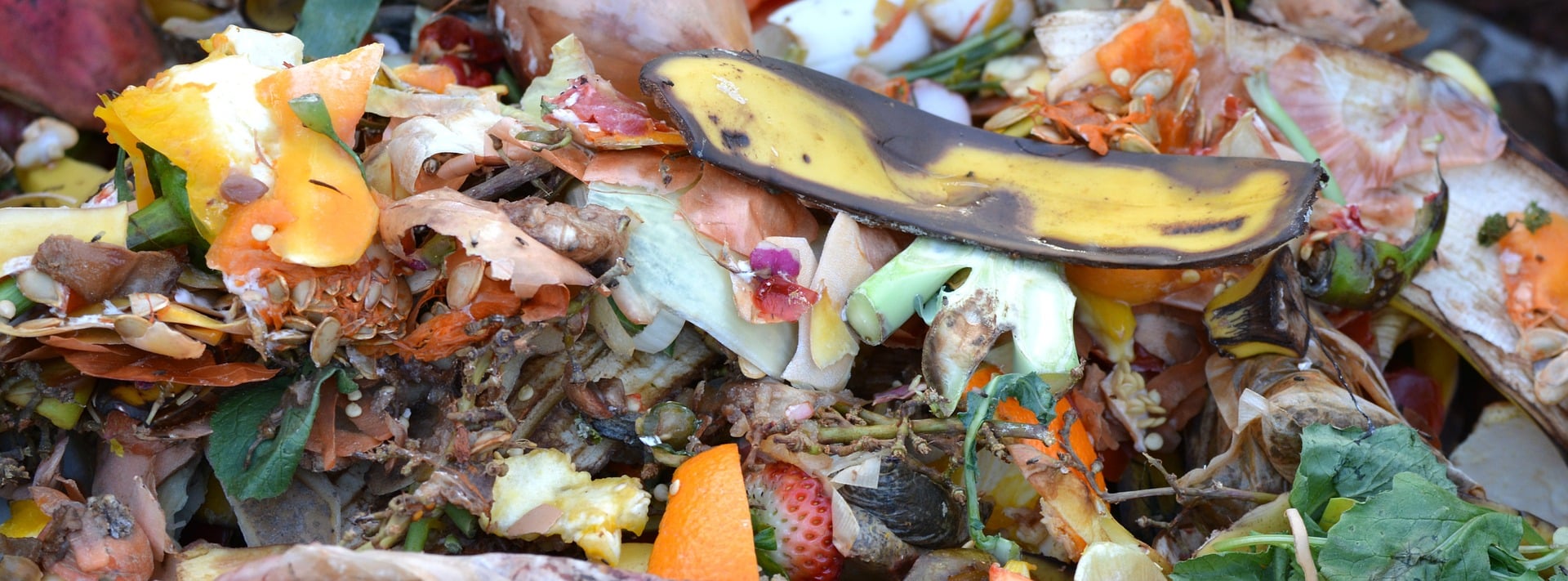
Brown waste includes shredded newspaper, used teabags, coffee grounds, crushed egg shells, vegetable and fruit peelings, pet hair and torn up egg boxes.
🚫 What Not to Add
Some materials to avoid adding to the compost are cooked or raw food, any dairy products, diseased plants, seeded weeds or any plant sprayed with chemicals. Plastics and glossy paper (ie magazines) will not compost down.
⚖️ Maintaining the Right Balance
Layering ‘browns’ and ‘greens’ is good for aeration and helps prevent the heap from becoming too wet or dry. Ideally it should be moist. If it looks too wet, add some more dry material, and if too dry, add some green. Sprinkle with a little water if it gets too dry in the hot Summer months.
🔄 Should You Turn the Compost Heap?
The compost heap does not necessarily need ‘turning’. Ideally, a good mix of wet and dry material will ensure essential air and moisture, heat and micro organisms will all aid the composting process. If, however, the composting has slowed down then you can turn the heap to add some fresh air and food for the micro organisms to continue their work.
🌱 When Is Compost Ready?
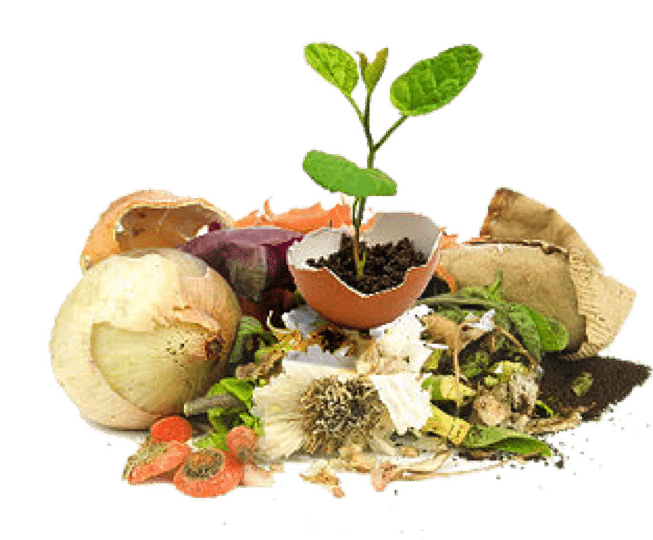
The composting process generally takes between 3 – 6 months to produce a dark, crumbly substance that smells earthy, full of rich organic compost. Spread it liberally around your borders and watch your garden flourish!
Village Gardens is a trusted landscaping and garden design company based in Cape Town’s Southern Suburbs, known for combining creative design with a strong environmental approach.
They specialise in crafting water-wise, indigenous, edible, and wildlife-friendly gardens.