
In this article on water-saving methods for thriving gardens in drought conditions, we explore various strategies to conserve water and protect plants. From harvesting rainwater with water butts to utilizing drip irrigation systems and harnessing grey water, these techniques ensure efficient water usage. Implementing effective hand watering, minimizing hard landscaping, and selecting drought-tolerant plants are also crucial. With these approaches, gardens can thrive by optimizing water conservation, soil quality, and plant health.

Introduction:
With water becoming increasingly precious due to recurring drought conditions, it is crucial to conserve as much as possible and protect our gardens. Implementing various water-saving methods can help ensure the thriving growth of plants. This article explores several effective strategies to achieve water conservation in gardens.
Harvest Rainwater with Water Butts:
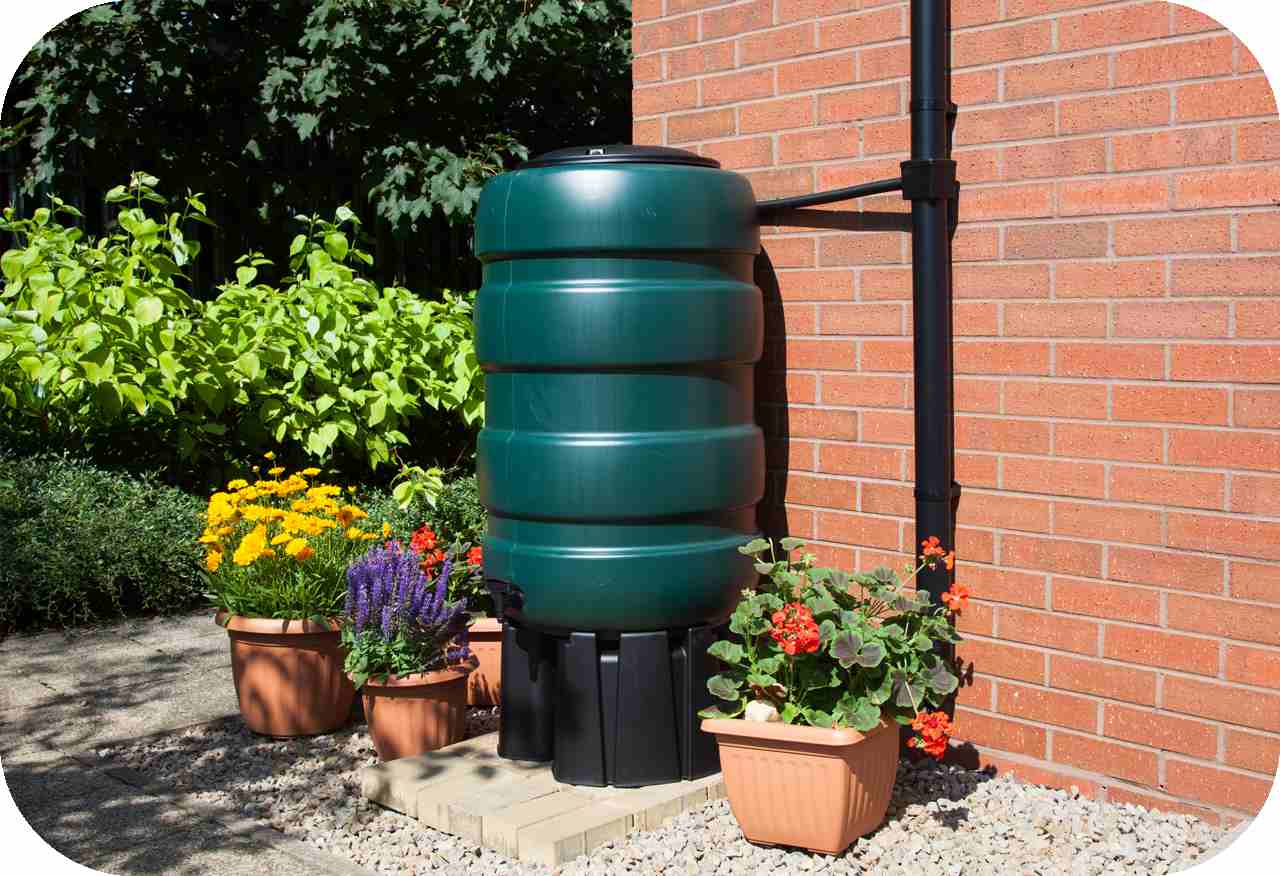
Investing in water butts allows for the collection and storage of rainwater from downpipes. These easy-to-install containers are available in different capacities, providing an excellent source of water for gardens.
Utilize Drip Irrigation Systems:
Drip irrigation systems utilizing harvested rainwater offer a controlled and efficient method of delivering water directly to the plant’s root system. This approach minimizes water wastage and optimizes plant hydration.
Harness Grey Water:
Water from showers, baths, or washing up, known as “grey” water, can be used to irrigate plants. The soil effectively filters out any soap or detergents. However, it is important to avoid using water that contains bleach or fabric conditioner.
Optimize Hand Watering Techniques:
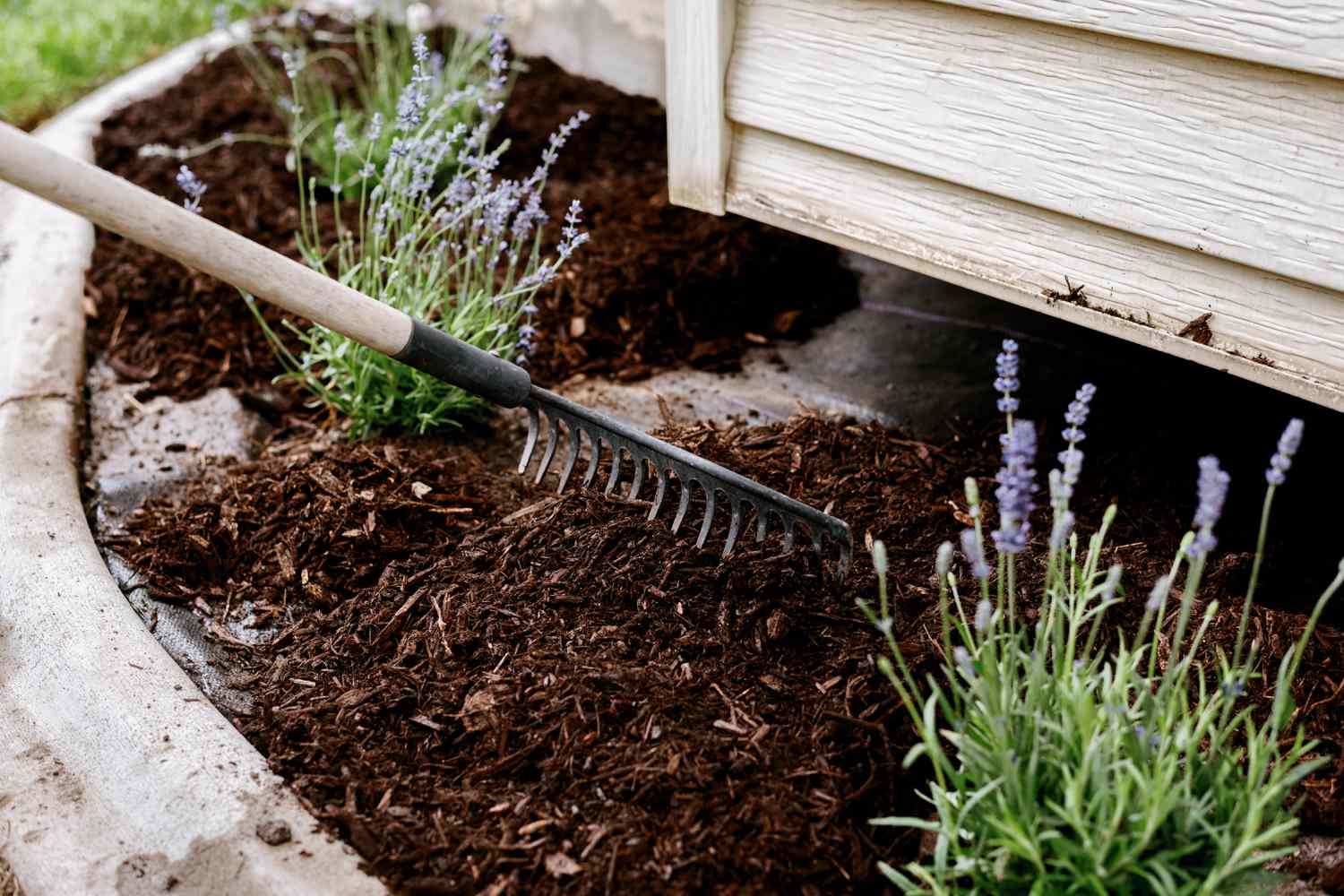
When hand watering plants, it is best to do so early in the morning or late in the evening, directly targeting the roots rather than the leaves. Creating a small trench around the stems helps the water soak into the soil. Adding a layer of straw, bark chippings, or compost as a mulch after watering aids in retaining moisture.
Minimize Hard Landscaping:
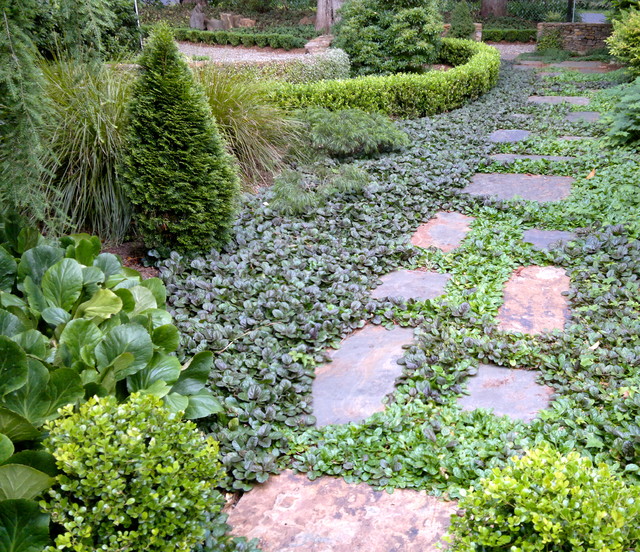
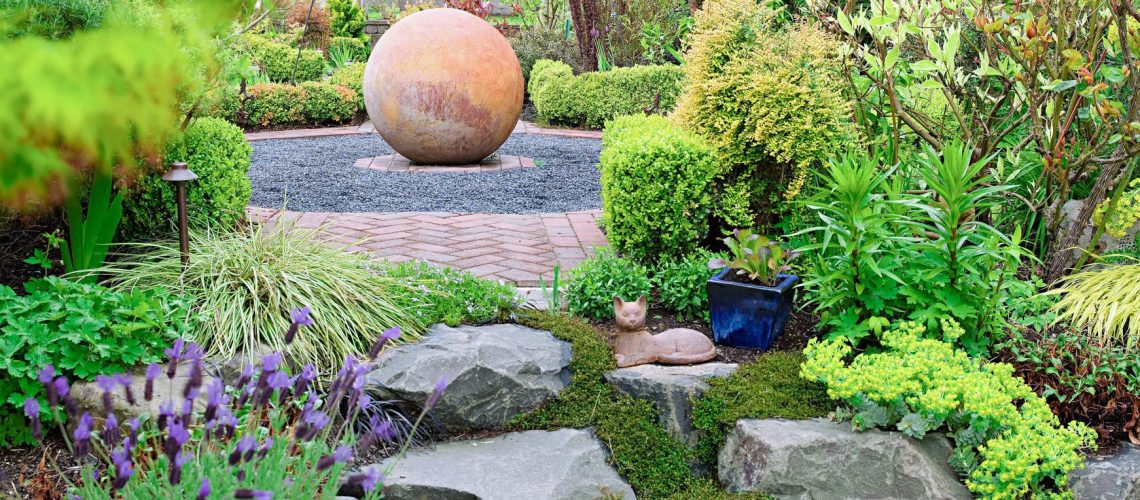
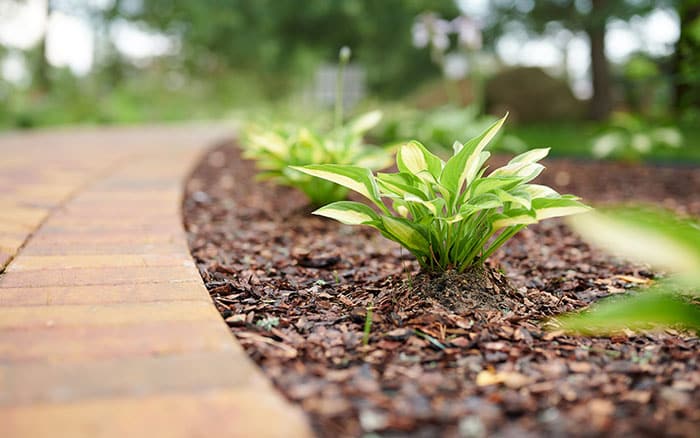
Reducing the amount of hard landscaping, such as pavers, helps prevent rainwater runoff. These surfaces reflect heat, increasing plant water requirements. Consider substituting pathways with gravel, which allows for better water penetration.
Use Water-Saving Crystals:
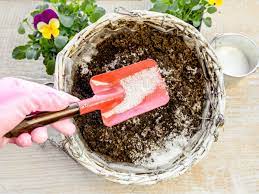
Introduce water-saving crystals into planting holes and containers. These crystals absorb and release water as needed, ensuring plants receive an optimal water supply.
Enhance Soil with Organic Compost:
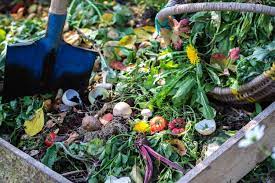
Incorporating plenty of organic compost into the soil enhances its nutrient content and water-retaining capacity. This practice promotes the growth of robust and healthy plants.
Remove High-Maintenance Lawns:
Consider removing lawns, which require significant maintenance and consume substantial amounts of water. Explore alternative landscaping options that are more water-wise.
Opt for Drought-Tolerant Plants:
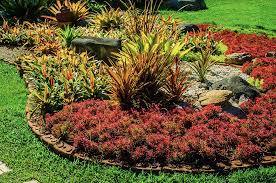
Choose groundcover plants that deflect the sun’s rays from the soil surface, reducing evaporation. Additionally, prioritize indigenous plants that are adapted to local conditions and are naturally more water-wise. Look for plants with hairy, waxy, grey, or thin leaves, as they tend to be more drought-tolerant. Succulents, with their water-storing fleshy foliage, are particularly well-suited to drought conditions.
Conclusion:
Conserving water in gardens is essential, especially in regions prone to drought. By implementing these water-saving methods, such as rainwater harvesting, drip irrigation, and utilizing grey water, gardeners can ensure the long-term health and vitality of their plants. Remember to adopt efficient watering techniques, minimize hard landscaping, and select drought-tolerant plants. With these strategies in place, gardens can thrive even during water-scarce periods.