
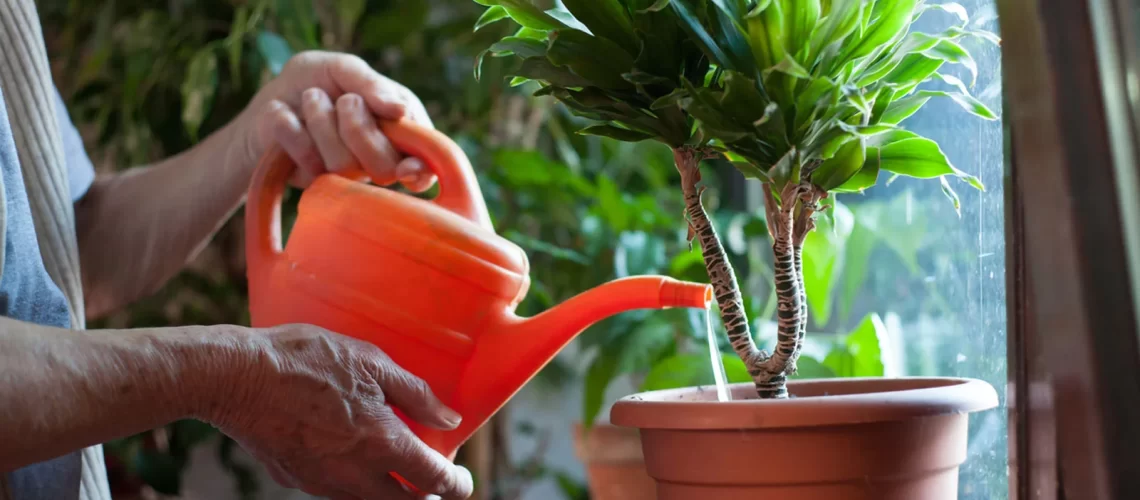

Water is an essential and life dependent part of the garden, especially during the drought season. Water is vital to hydrate plant cells to aid plant processes including growth, but water is lost through leaves. This is call Transpiration, meaning that plants rely on a good root system to constantly draw water from the soil.
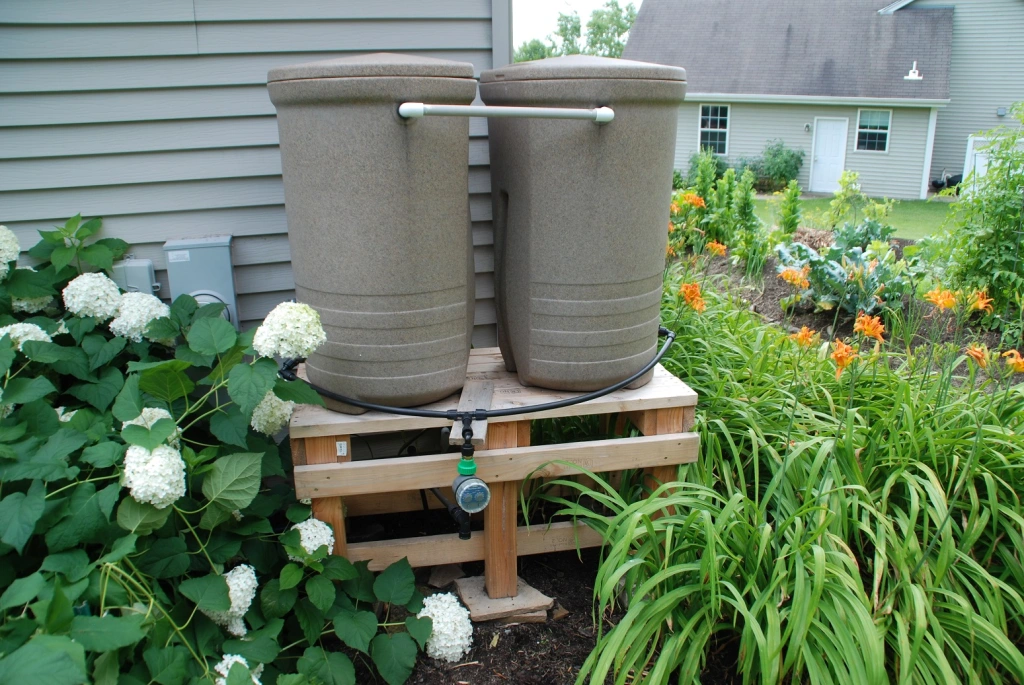
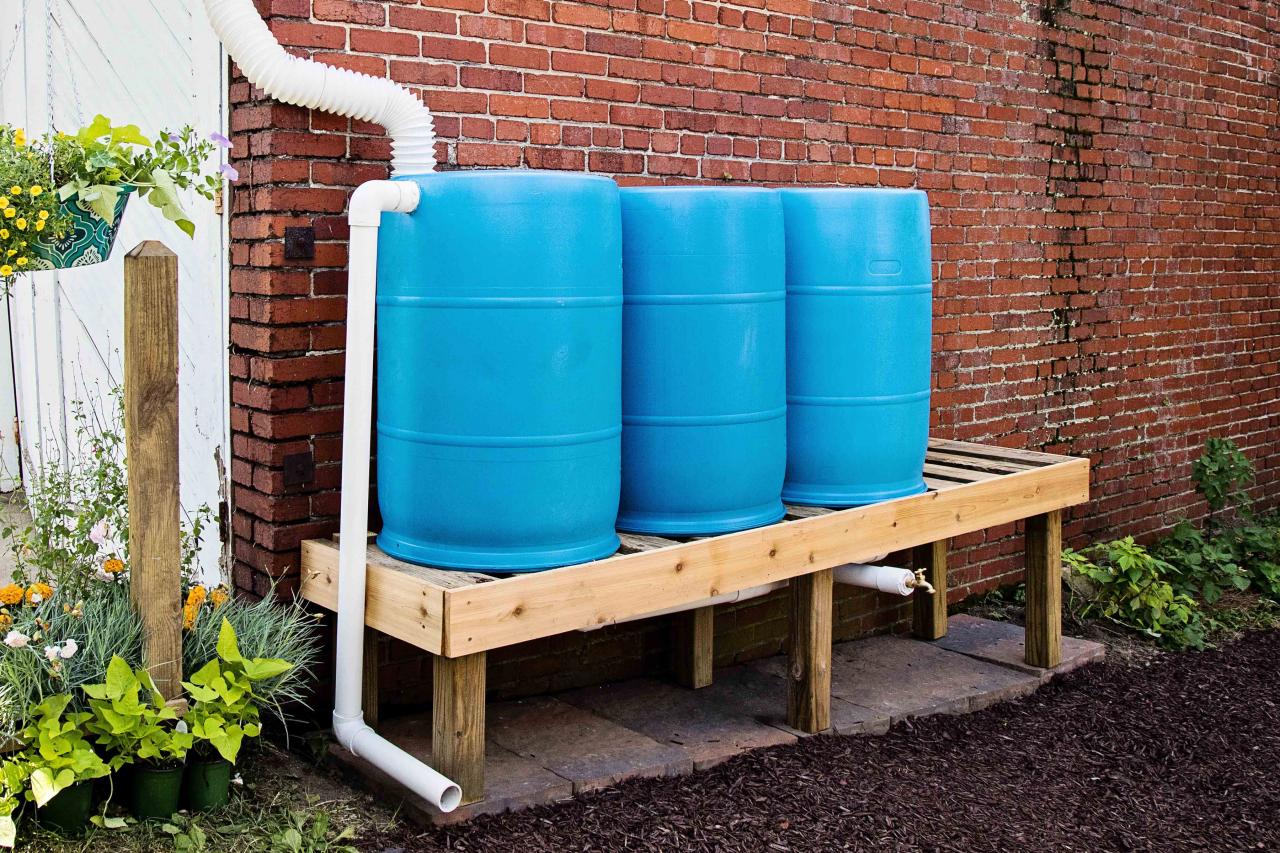
Harvested rainwater is actually better for use in the garden as it has a nearly neutral pH and is free from man-made contaminates, ensuring plants will thrive and flourish
The most convenient and popular method of harvesting rainwater is by installing a rainwater tank (sometimes called a rain barrel or butt), which needs to be fitted to the down pipes from the roof gutter.
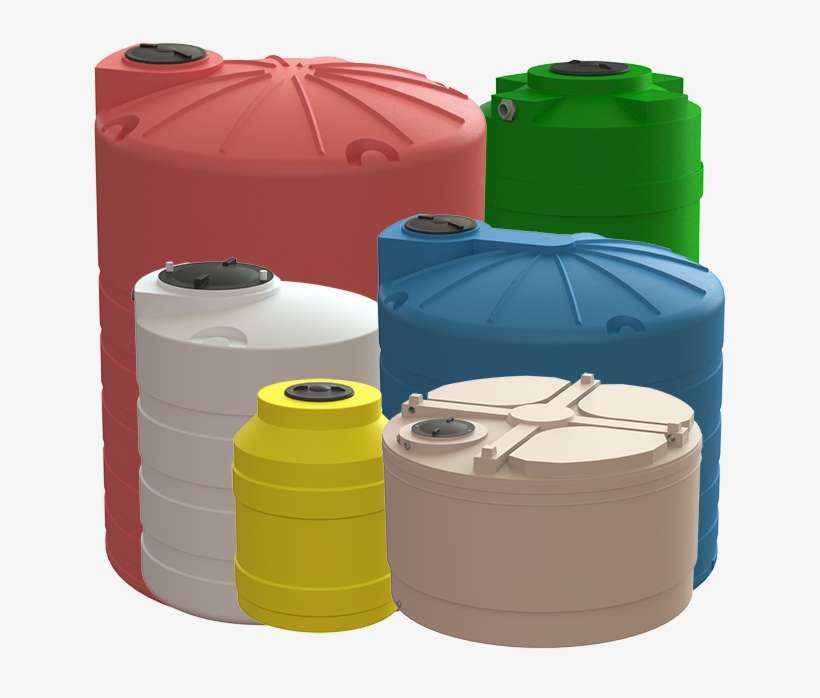
This can be the house, greenhouse, shed or any garden structure that has guttering and a down pipe. Sizes of rain tanks vary from 260ltr to the large 20,000ltr tanks, which would be used in a commercial setting.
The vertical rain water harvesting tanks are made from base polythene with UV stabilisers to ensure and extended service life and durability in the harsh South African conditions. They are lined with a carbon black liner that prevents algae growth and ensures water will stay fresher for longer.

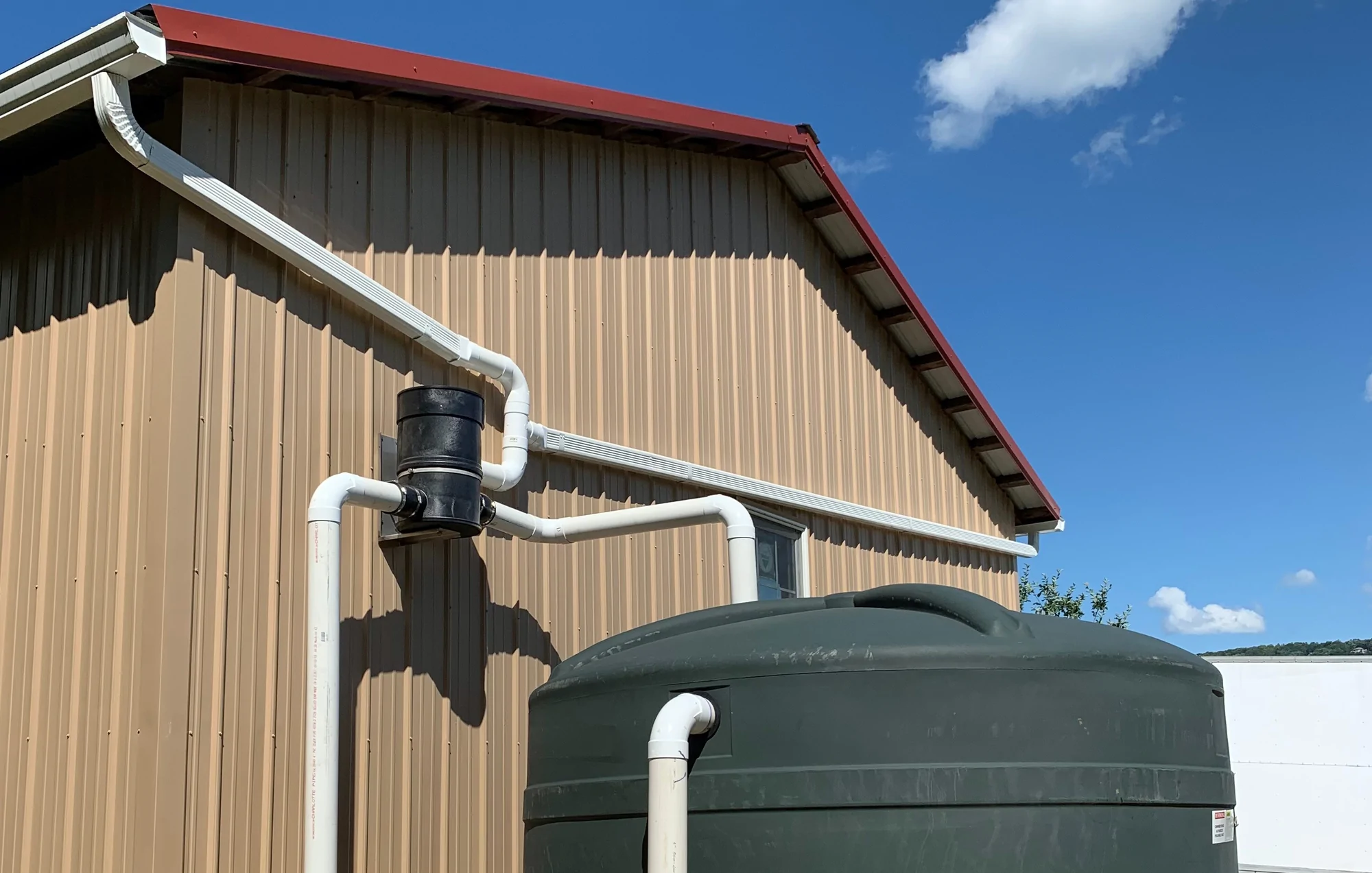
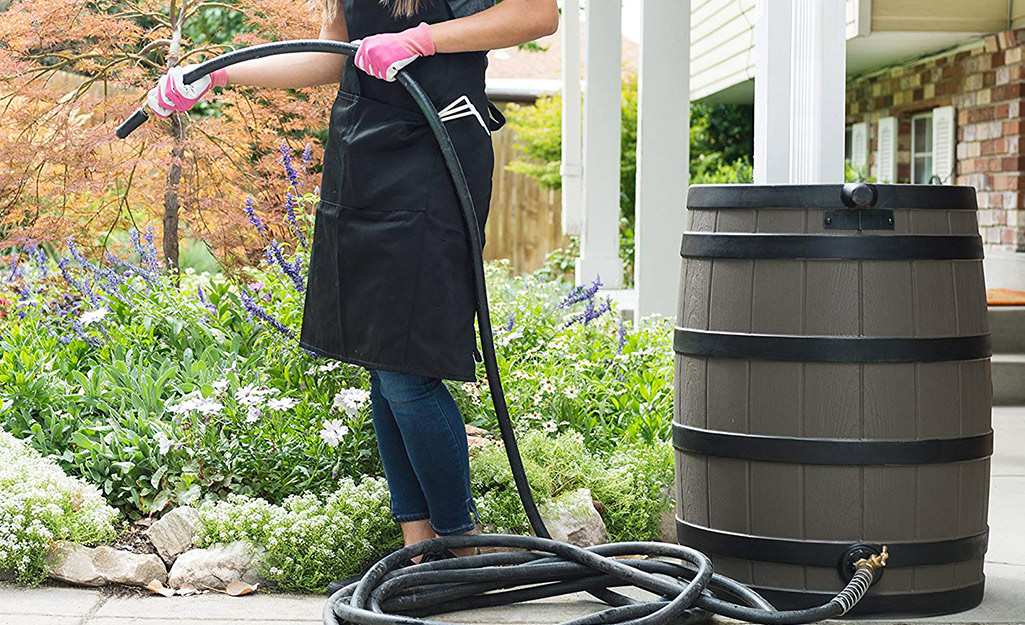
Although plastic is the better option there are other containers that can be successfully used to harvest rainwater such as an oil drum, which has the perfect capacity to store a reasonable amount of rainwater.
Different plastic options to use are large food storage bins which have lids. These have the capacity of 70ltr to 200ltr. They will need a drainpipe sized hole cut in the lid. Accessing water at the bottom of the container is difficult unless a tap can be fitted.
Any lidded container used as a rainwater tank will require a base or stand, a tap and a down pipe connection. All recycled containers need to be steam-cleaned before use to remove any residue that can cause fungal growth.
The yield of your rainwater tank will be influenced by the volume and timing of rainfall in your area and the volume of your tank. To calculate your roof run off 1 millimetre of rain on 1 square metre will deliver 1 litre of rainwater into your tank.
As a rough guide:
The roof of an average 3 bedroom property is approximately 150 sq. metres The roof of an average 4 bedroom property is approximately 200 sq. metres The roof of an average 5 bedroom property is approximately 300 sq. metres.
The rainwater tank size will be determined by the size of your residence. The tanks are classed as – Small. – less than 2000ltres
Medium – between 2000ltres and 10,000ltres
Large – greater than 10,000ltres.
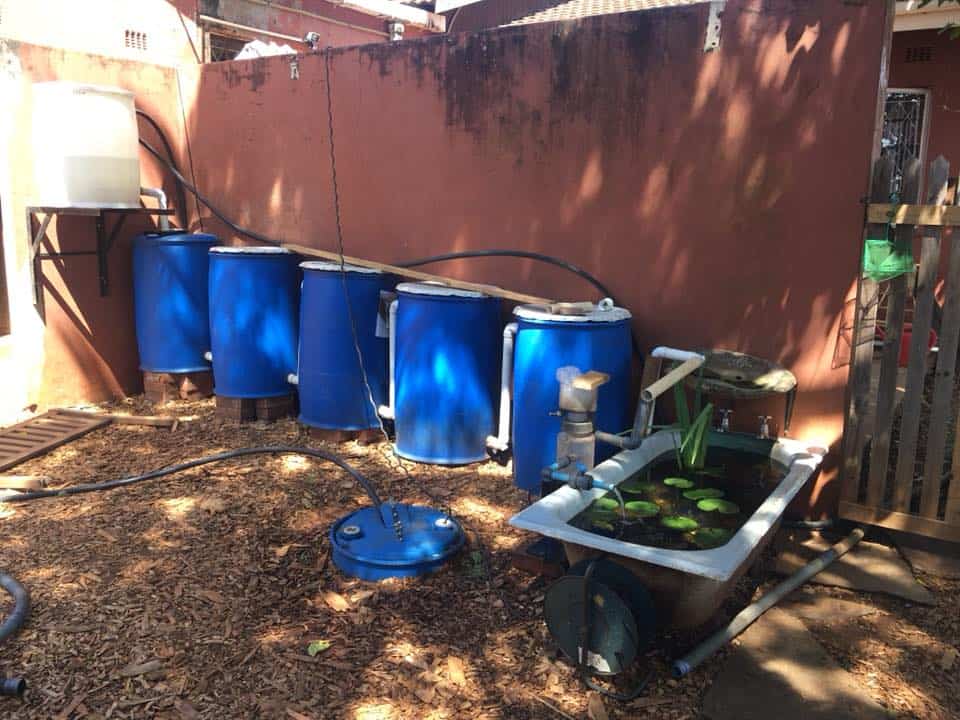
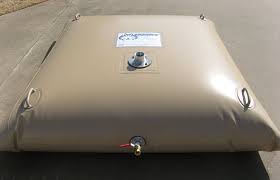
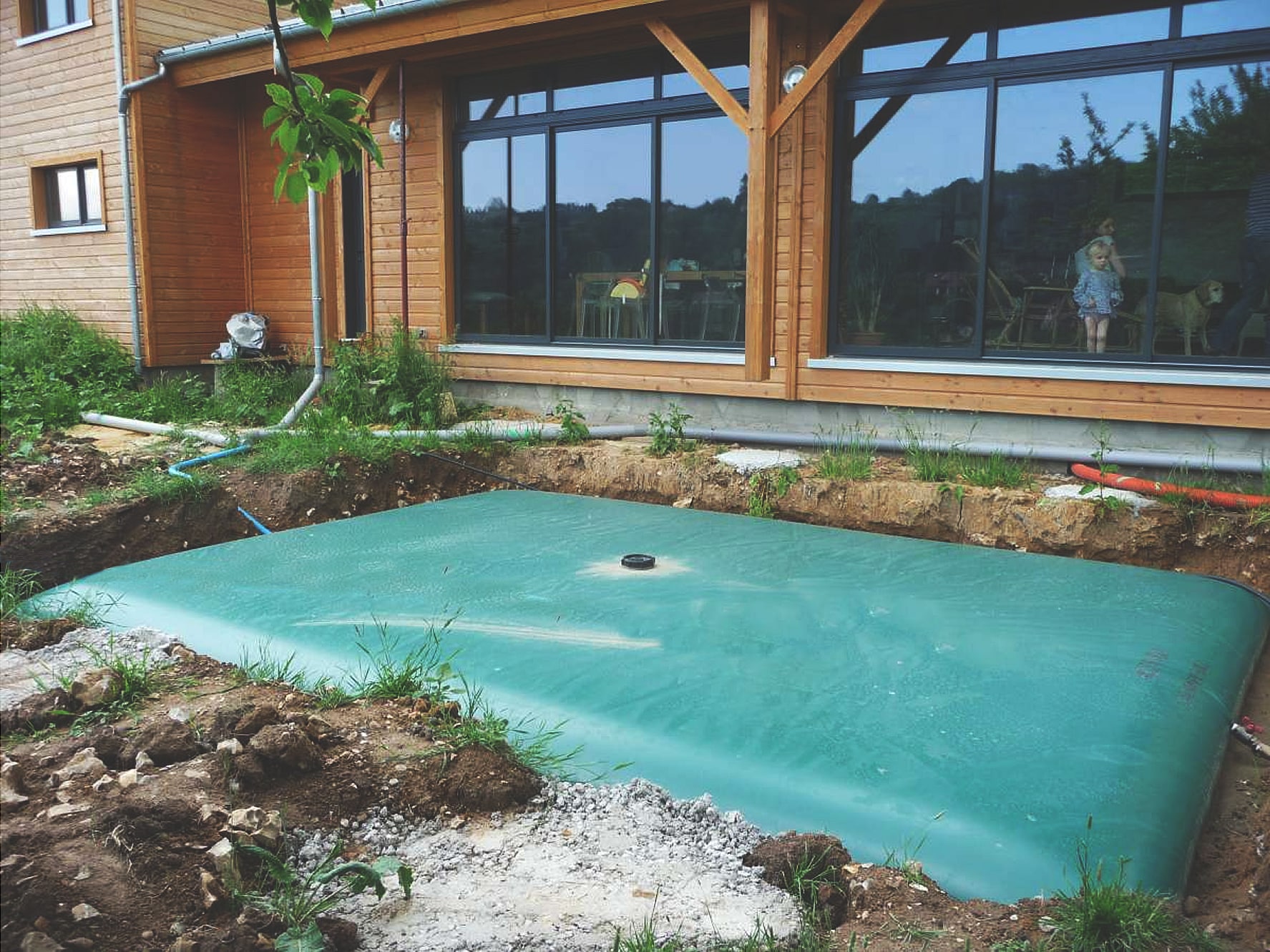
Where you position the rainwater tank will also depend on how much space you have available for it. With a large space you can install it wherever is convenient to you, however, if space is limited you may have to opt for a smaller water tank.
There are space saving ‘bladder’ tanks that will fit under the deck or house. The size of the garden is also a consideration. If you only use on average 100ltres water a day you will only need a water tank capacity of 6,000ltres. If the dry spell lasts for at least 60 days and you use 500ltres of water a day you will need a water tank capacity of 30,000ltres. Two smaller rainwater tanks can be linked together using a connecting hose.
Recycling domestic wastewater, known as ‘grey water’, is also a very effective help in the garden. This can be from showers, baths, washing machines or water used from cooking pasta, vegetables and eggs.
Although it contains soap and detergents the soil and potting composts are effective at filtering them out. Nevertheless, ‘grey water’ is only suitable for use over a short period of time, generally when there is no other suitable water available. Prolonged use of ‘grey water’ will, eventually, affect the soil structure and health of the plants with the build up of salts, chemicals and fats contained in it.
Grey water should not be used in delicate plants like orchids, Ferns or roses. Systems that filter grey water are available and are an ideal, safe way of using grey water, which is good for the environment and the garden, not to mention, it’s a great way to save water!
A drip irrigation system, using recycled rainwater is a very effective water-saving tool as it allows a set amount of water to drip onto plant beds and containers, straight into the root system. This method uses controlled amounts of water, is super-simple to rely on for auto-watering and a lot less labour-intensive than using a watering can!