


What to Plant in September in Cape Town: Your Spring Garden Planting Guide
Spring has arrived! After the cooler, wetter months of winter, September is the perfect time to get outside, get your hands dirty and start preparing your garden for the months ahead.
In Cape Town and the Western Cape, September brings longer days, warmer temperatures and the first real signs that the growing season is getting underway. It’s a fantastic month for planting colourful flowers, herbs, vegetables, indigenous plants and plenty of other garden favourites.
Whether you have a large garden, a small courtyard, balcony or just a few pots, there are plenty of plants that can be added to your garden this month.
🌱 Why September Is Such an Important Month for Your Garden
September is a month of transition. Winter isn’t quite finished, but spring is definitely making its presence known.
The combination of increasing temperatures, longer daylight hours and gradually warming soil encourages plants to start putting on new growth.
It also means your garden needs a little attention before the busy growing season really gets going.
September is a great time to:
- Prepare planting beds
- Add compost and organic matter
- Refresh mulch
- Start planting spring flowers
- Plant vegetables and herbs
- Check and repair irrigation systems
- Remove winter weeds
- Look out for emerging pests
- Feed established plants
- Create spaces for bees, butterflies and other beneficial insects
A little preparation now can make a huge difference to how your garden performs through spring and summer.
🌸 What Flowers Can You Plant in September?
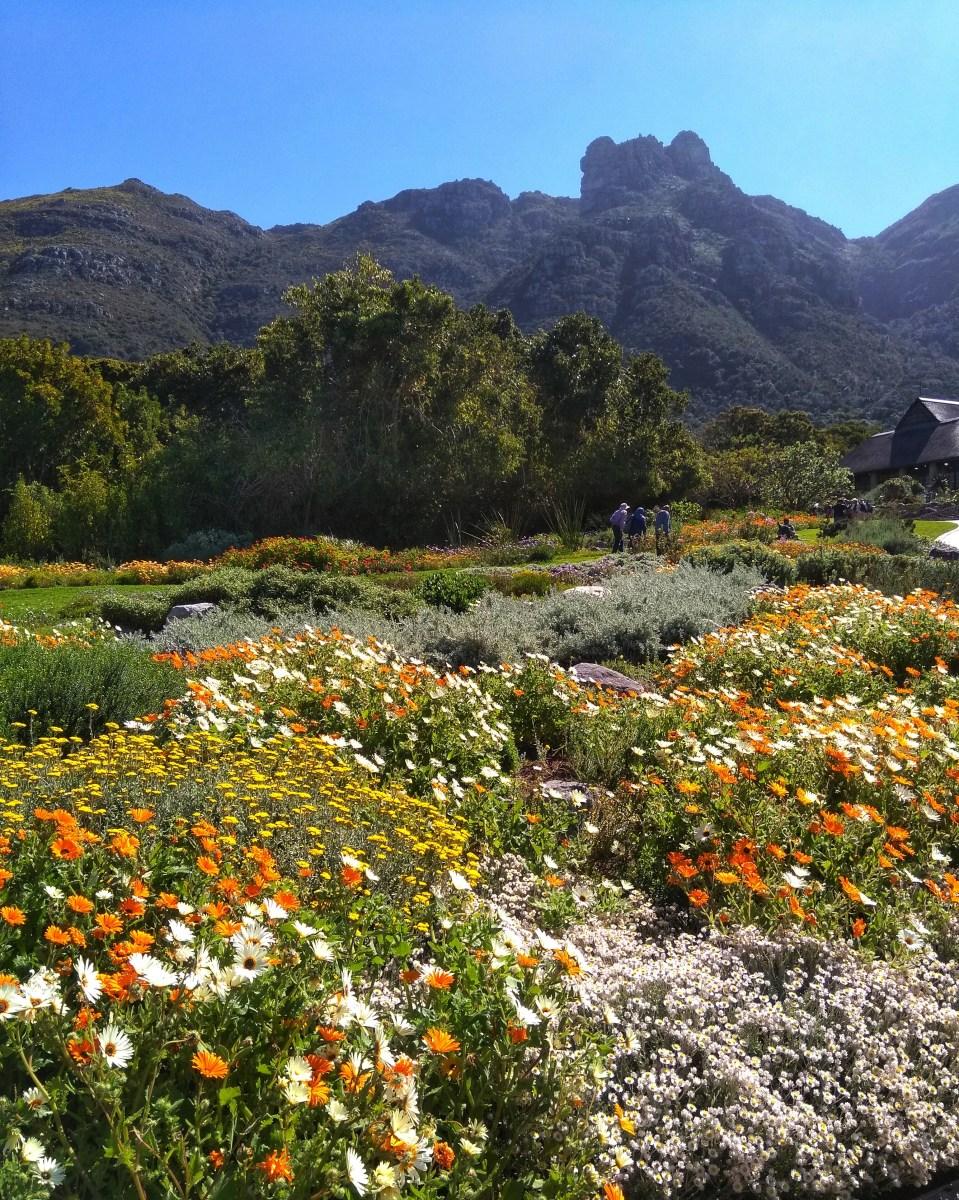
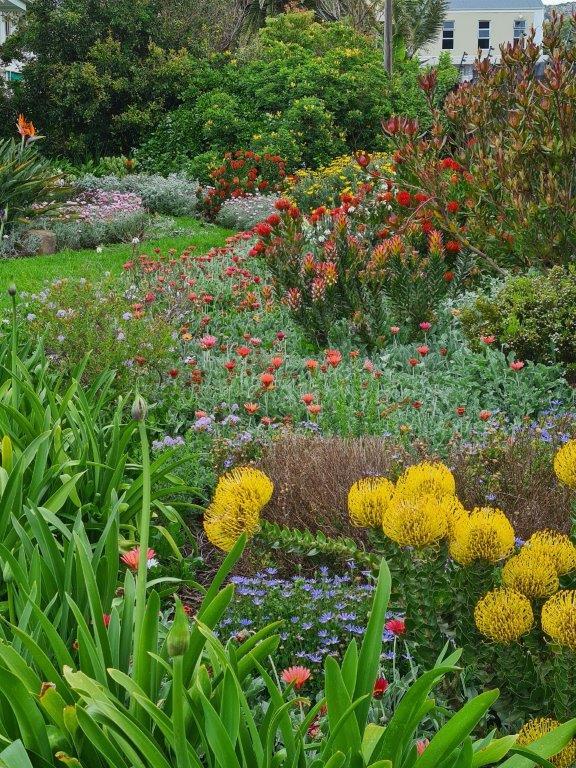
One of the easiest ways to give your garden an instant spring makeover is by adding flowering plants.
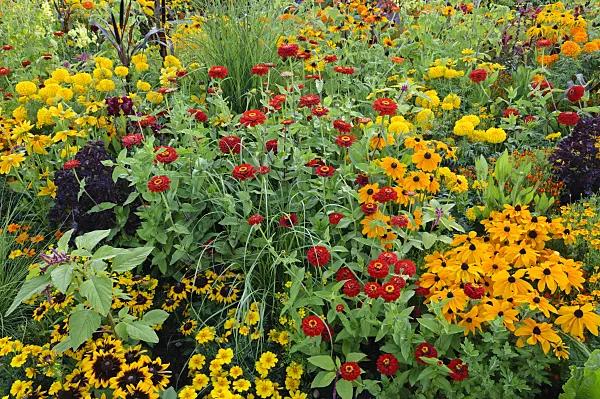
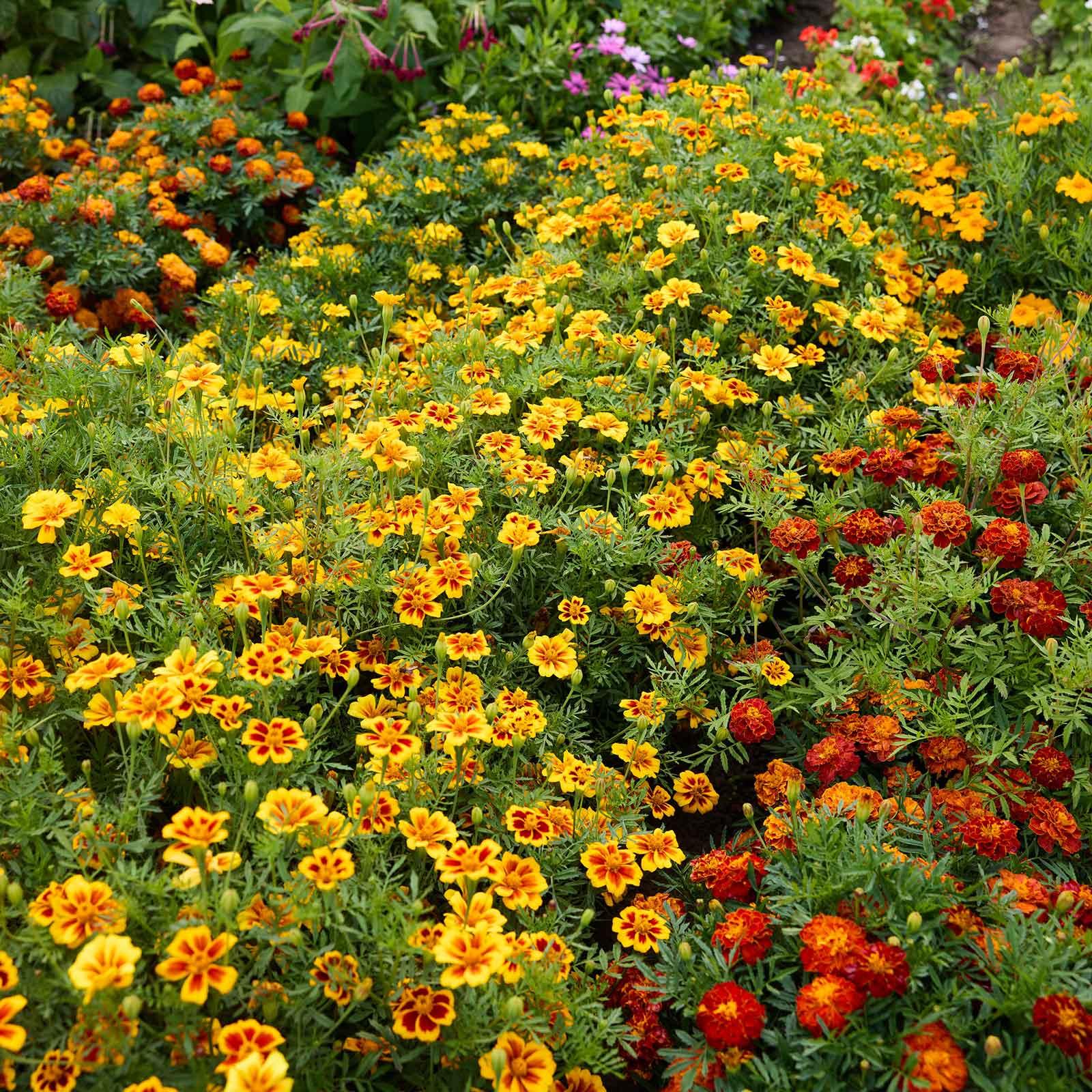
Spring is all about colour, and September is an excellent time to introduce plants that will provide flowers throughout the warmer months.
Look for flowering plants suited to your garden’s conditions and consider choosing a mixture of colours, heights and flowering periods.
Some great choices include:
- Gazanias
- Daisies
- Gaura
- Pelargoniums
- Salvias
- Lavender
- Arum lilies
- Indigenous flowering plants
- Other sun-loving spring and summer perennials
When choosing flowering plants, don’t only think about how they look. Consider what they can offer your garden’s wildlife too.
Flowers that provide nectar and pollen can turn your garden into an important food source for bees, butterflies and other pollinators.
☀️ Plants for Sunny Spots
Cape Town gardens can receive plenty of sunshine, particularly during spring and summer.
If you have a hot, sunny section of your garden, choose plants that enjoy plenty of light and are suited to your local conditions.
Gazanias, lavender, salvias and many indigenous plants can be excellent choices for sunny areas.
Water-wise plants are particularly valuable in the Western Cape, where summer rainfall can be limited.
🌿 Plants for Shadier Areas
Not every garden has full sun.
If your garden has areas beneath trees, along walls or on the southern side of buildings, choose plants that can tolerate lower light levels rather than trying to force sun-loving plants to grow there.
Remember that “shade” can mean different things. Some areas receive bright, indirect light while others receive very little direct sunlight.
Understanding the conditions in your garden before choosing plants is one of the best ways to improve your chances of success.

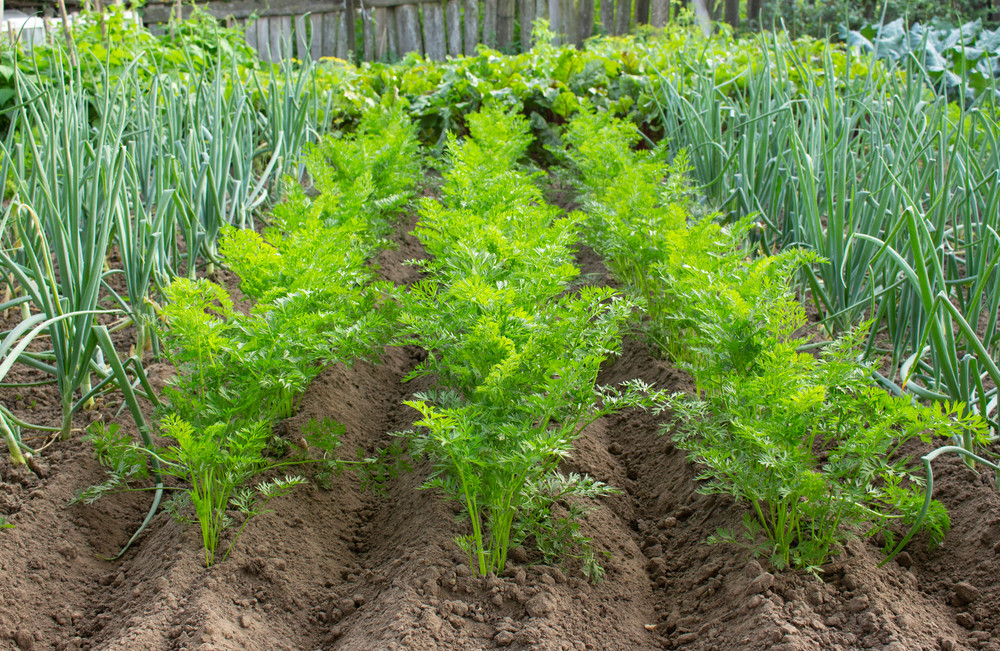
🥕 Start Your Spring Vegetable Garden
September is also an exciting month for edible gardening.
As temperatures rise, it’s time to start thinking about the vegetables and herbs that will provide fresh produce later in the season.
Depending on your microclimate and conditions, September is a good time to start introducing warm-season crops and preparing your vegetable beds for spring and summer production.
Consider planting:
- Beans
- Tomatoes
- Cucumbers
- Squashes
- Lettuce and other leafy greens
- Carrots
- Beetroot
- Spring herbs
- Other seasonal vegetables
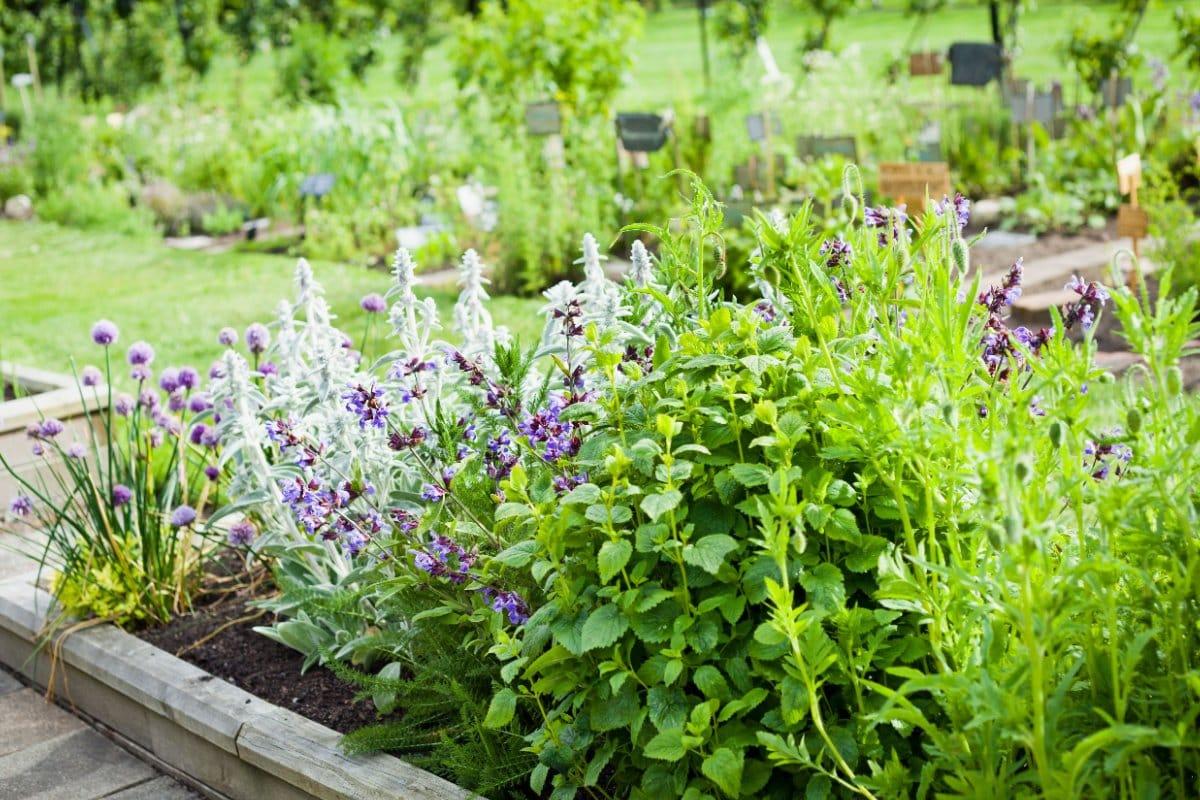
Don’t forget about herbs. A small herb garden can be incredibly productive and doesn’t require much space.
Basil, parsley, coriander, chives, oregano and other culinary herbs can be grown in beds, containers or even on a sunny patio.
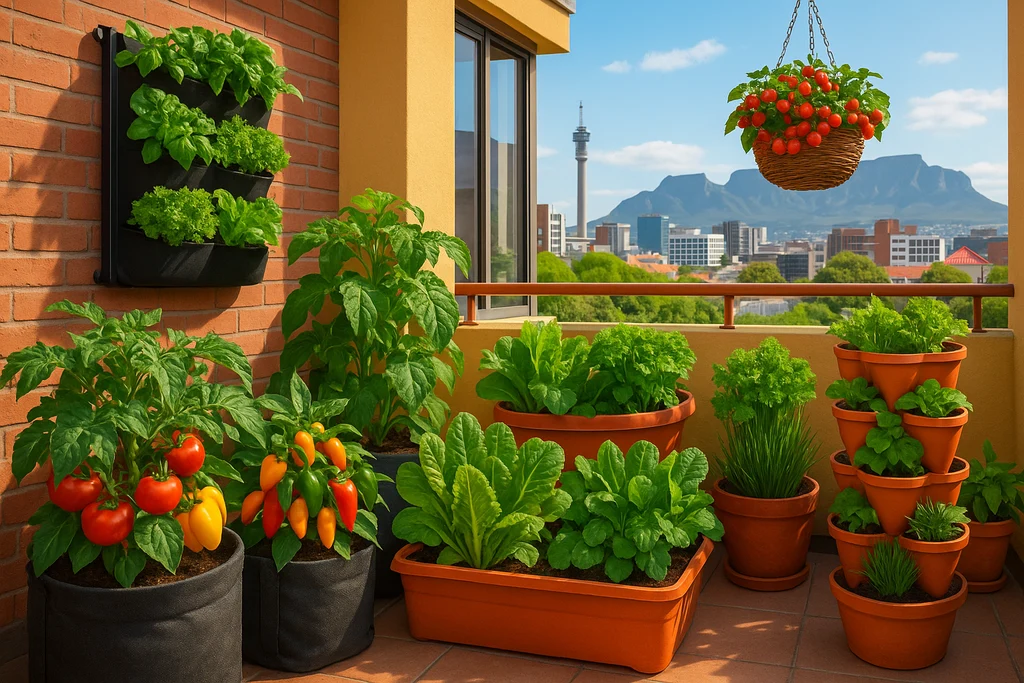
🪴 Growing Vegetables in Containers
You don’t need a large garden to grow your own food.
Containers are ideal for balconies, patios, courtyards and smaller gardens.
Choose a container with adequate drainage, use a good-quality growing medium and position it according to the plant’s requirements.
One advantage of container gardening is that you can move plants around to make the most of changing sunlight conditions.
Just remember that containers generally dry out faster than garden beds, so check them regularly as temperatures increase.
🌳 Plant Indigenous and Water-Wise
September is also a great opportunity to introduce more indigenous and water-wise plants into your garden.
The Western Cape is home to an incredible diversity of plant life, and choosing plants that are naturally suited to our climate can help create beautiful gardens that are better adapted to local conditions.
Indigenous plants can also provide valuable habitat and food for local wildlife.
When planning your garden, consider using a mixture of:
- Indigenous shrubs
- Flowering perennials
- Groundcovers
- Small trees
- Ornamental grasses
- Water-wise plants
Rather than planting one type of plant throughout the garden, try creating layers.
A combination of taller plants, shrubs, groundcovers and flowering plants can create a more natural-looking garden while providing different habitats for insects and birds.
🐝 Make Your Garden Wildlife-Friendly
Spring is a busy time for nature.
Bees and other pollinators become increasingly active as temperatures rise, while birds and insects take advantage of the abundance of new growth and flowers.
You can help by making your garden more wildlife-friendly.
Plant flowers that provide nectar and pollen, provide a shallow source of clean water and avoid unnecessary pesticide use.
Even a small garden can make a difference.
Instead of thinking of your garden as simply a collection of decorative plants, think of it as a small ecosystem.
The more diversity you introduce, the more life you are likely to see.
🌱 Prepare Your Soil Before Planting
Before rushing out and filling every available space with new plants, spend some time preparing your soil.
Healthy soil is the foundation of a healthy garden.
Remove weeds and dead material, loosen compacted soil and add compost or other suitable organic matter where needed.
If your soil is poor, improving it before planting can make a noticeable difference to plant growth.
Don’t forget mulch.
A good layer of organic mulch can help retain moisture, suppress weeds and protect the soil as temperatures increase.
Mulching is particularly useful in water-wise gardens because it reduces moisture loss from the soil.
🐛 Keep an Eye Out for Pests
Unfortunately, spring isn’t only good news for plants.
As temperatures rise, many garden pests become active again.
Check new growth regularly for signs of:
- Aphids
- Caterpillars
- Snails and slugs
- Whitefly
- Scale insects
- Other common garden pests
Don’t immediately reach for harsh chemicals.
A diverse, healthy garden naturally attracts beneficial insects and other creatures that can help keep pest populations under control.
Regular observation is one of the best forms of pest management.
🌼 Think About Flowering All Season
When planning your spring garden, don’t choose plants only because they are flowering when you buy them.
Think about what your garden will look like three, six or even nine months from now.
Choose plants with different flowering periods so that your garden continues to provide colour throughout the seasons.
A mixture of annuals, perennials, shrubs and indigenous plants can create a garden that changes and develops throughout the year.
This also provides a more consistent food source for pollinators.
🌿 Your September Garden Checklist
Here’s a simple checklist to help you get your garden ready for spring:
✓ Clear away winter weeds and debris
✓ Prepare new planting beds
✓ Add compost and organic matter
✓ Refresh your mulch
✓ Plant spring flowers
✓ Start your spring vegetable garden
✓ Plant herbs
✓ Add indigenous and water-wise plants
✓ Look out for emerging pests
✓ Feed plants that need it
✓ Create spaces for bees, butterflies and birds
✓ Enjoy being outside!
🌺 Visit Village Gardens for Your Spring Plants
September is one of the most exciting months in the gardening calendar.
Whether you’re looking to fill a few pots with colour, start a vegetable garden, attract more wildlife or completely transform your outdoor space, spring is the perfect time to get started.
At Village Gardens, we love helping gardeners find the right plants for their gardens and growing conditions.
From flowering plants and indigenous favourites to herbs, vegetables and edible plants, our Online Nursery has plenty to help you get your spring garden growing.
Browse our Online Nursery and start planning your spring garden today.
🌱 Spring Starts in the Garden
You don’t need to completely redesign your garden to make a difference this spring.
Start small.
Plant a few flowers. Grow some herbs. Add a vegetable or two. Introduce an indigenous plant. Put out some water for the birds. Create a little space for bees and butterflies.
Every plant adds something.
And before you know it, your garden will be buzzing, blooming and growing again.
Happy gardening from Village Gardens!
Village Gardens is an established landscaping and garden design company in Cape Town’s Southern Suburbs, creating beautiful outdoor spaces that balance aesthetics, practicality and environmental sustainability.
Their expertise includes water-wise landscapes, indigenous gardens, edible gardens and outdoor spaces designed to attract and support local wildlife.