

Creating a wind-proof garden is essential for protecting your plants from strong winds. By understanding the best methods for protecting plants from strong winds, you can create a garden that thrives in any weather. In this article, we’ll explore how to protect your plants and create a wind-proof garden.





Creating a Wind-Proof Garden: How to Protect Your Plants
Strong winds can cause significant damage to plants in gardens, such as breaking branches, drying and scorching foliage, and causing soil erosion. To safeguard your plants and maintain a thriving garden, it’s crucial to understand the best ways to reduce exposure to the winds and create a natural windbreak.
I. Importance of Natural Windbreaks
In addition to protecting plants from wind damage, natural windbreaks also help to create a micro-climate in the garden that supports the growth of more delicate plants. Furthermore, natural windbreaks enhance the wildlife habitat in the garden.
II. Choosing the Right Windbreak
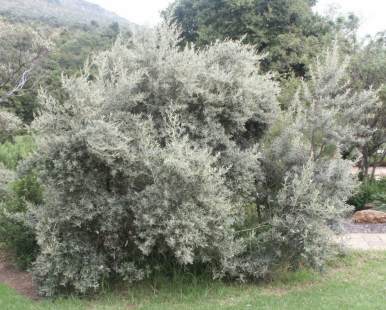
Plants Instead of using solid barriers or windbreaks like fences, it’s more effective to use permeable plants to reduce the impact of strong winds. The most effective natural windbreaks are plants with flexible branches and tough, leathery-like foliage that can bend in the wind. Examples include the Camphor Bush, Brachylaena Discolour, Callistemon, Gardenia Thunbergia, Gevia Flavenscens, Barlaria, Obtusa, Helichrysum, Salvia Africana, Strelitzia Reginae, Osteopermums, Freylinia, Perlagoliums, Gazanias, Geraniums, Felicia, and succulents and groundcover plants such as Aloes, Kalanchoe, Malephora Crocea, Plectranthus, Crassula, Arcotis, Portulacaria afra prostrata and Dymondia Margaretae.
III. Planning a Windbreak
When planning a windbreak, it’s important to consider the direction of the prevailing wind that approaches the garden. By positioning your windbreak accordingly, you’ll be able to maximize its protection for your plants.
IV. Conclusion
By creating a natural windbreak with permeable plants, you can not only protect your garden from wind damage but also create a micro-climate that supports the growth of delicate plants and enhances wildlife habitat in your garden. Consider the direction of the wind when planning your windbreak and take into account the examples of plants listed above. With the right plants, you can create a wind-proof garden that is not only able to withstand the elements, but thrive in them.