


Discover the joy of cultivating your own vegetables and herbs, even in small spaces. Focus on your family’s food preferences and time availability when selecting crops. Opt for fast-maturing options like radishes, beans, and peppers for low-maintenance gardening. Utilize ‘intercropping’ techniques by planting quick-growing varieties amidst slower ones. Consider ‘double harvest’ root vegetables that yield edible leaves before roots. Create ideal conditions with sunlight and water. With herbs like chives, coriander, and thyme, enhance your dishes’ flavors. Embark on a satisfying journey from seed to plate.




Introduction:
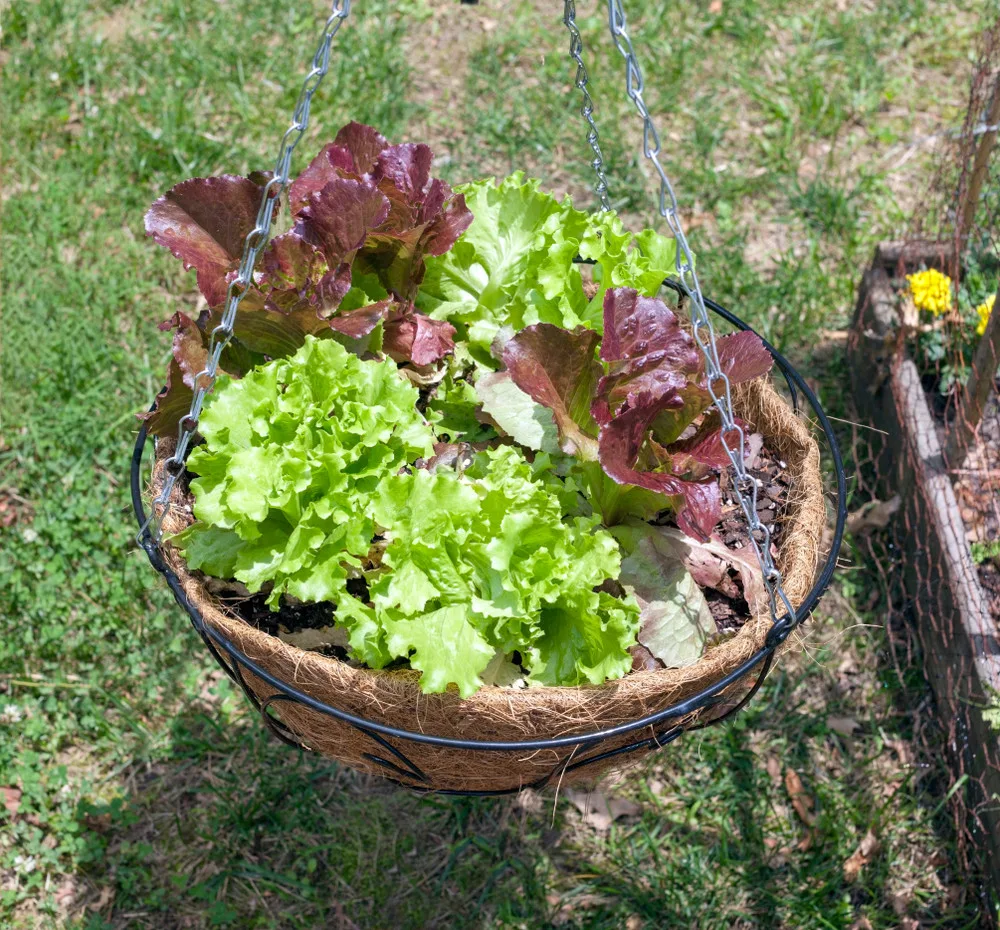
Growing your own vegetables and herbs can provide you with the freshest and most flavorful produce, enhancing your meals with a touch of homegrown goodness. Regardless of your garden’s size, even a small space like a balcony can accommodate containers or hanging baskets for cultivating a variety of crops. This article explores the benefits of home gardening and offers insights into selecting crops, utilizing space, and creating optimal growing conditions.
Cultivating a Bountiful Harvest:
When considering what to cultivate, it’s wise to focus on your family’s culinary preferences. Additionally, factor in the time you can dedicate to planting, tending, and watering. For those with limited time, fast-maturing, low-maintenance crops such as radishes, runner beans, beetroot, and chilli peppers are ideal choices. To ensure a continuous supply of favorites like lettuce, rocket, spinach, and spring onions, staggered planting at two-week intervals proves effective.
An ingenious technique known as ‘intercropping’ maximizes space utilization. This involves planting fast growers like salad leaves, coriander, and spinach between widely spaced slow-maturing crops such as brassicas and brussel sprouts. Another strategy is growing ‘double harvest’ root vegetables, like beetroot, turnips, and kohlrabi, which offer edible leaves before the root is harvested.
For optimal growth, most crops thrive in sunny locations near a water source. Preparing the planting area involves thorough soil cultivation and enrichment with compost or well-rotted manure. A brief waiting period allows for weed removal before planting begins.
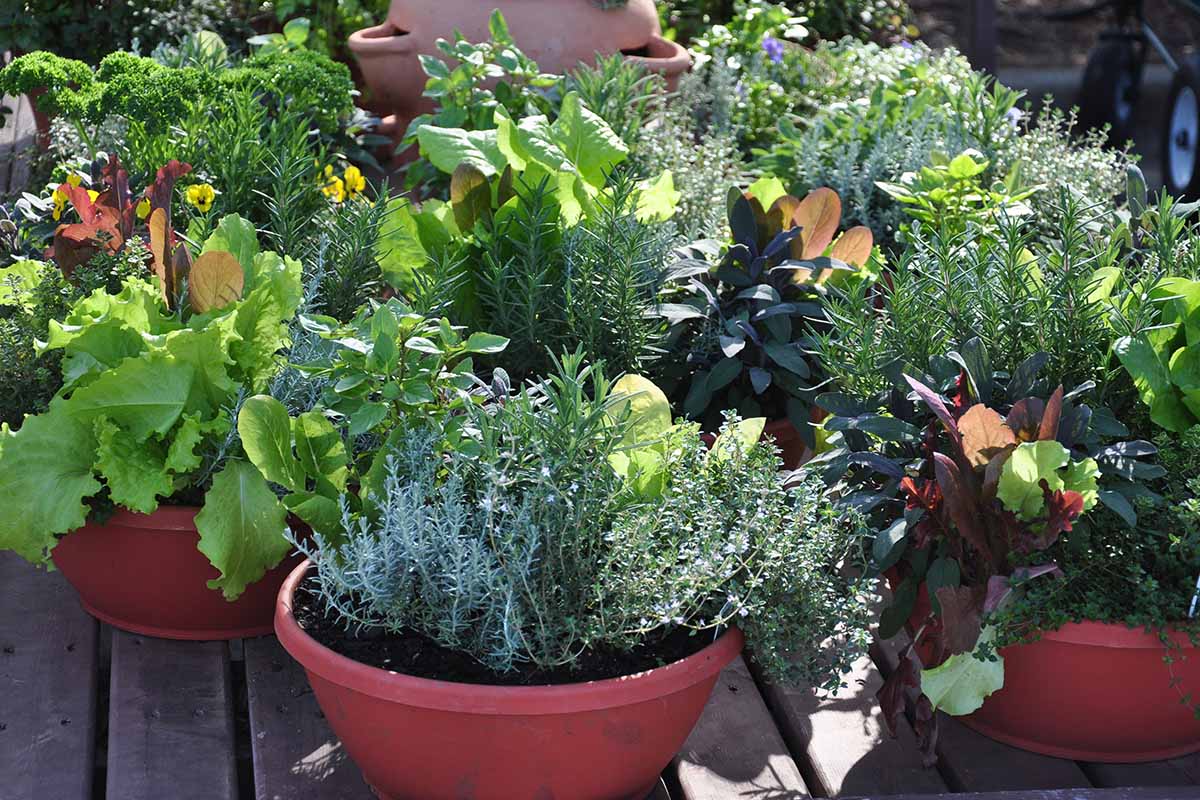
Herbs, versatile in growth conditions, can flourish in pots or directly in the ground. Chives, garlic, fennel, coriander, and rocket not only add flavor but also serve as appealing meal garnishes. Other recommended herbs include thyme, oregano, sage, and tarragon.
Conclusion:
Embarking on the journey of cultivating your own vegetables and herbs is a rewarding endeavor that enhances your culinary experience. Regardless of available space, careful crop selection, space optimization, and appropriate growing conditions contribute to a bountiful harvest. By incorporating fresh, homegrown produce into your meals, you not only enjoy superior flavor but also revel in the satisfaction of nurturing your garden from seed to plate.


