
Cultivating Phalaenopsis orchids, commonly known as Moth Orchids, offers the joy of vibrant, enduring exotic flowers indoors. These orchids, spanning India to Australia, showcase a wide array of colors and patterns, blooming for two to three months and even longer in mature plants. Appropriate lighting conditions are essential, while watering is determined by substrate type and root appearance. Pruning flower spikes and repotting enhance continued growth. With attention to these steps, nurturing Moth Orchids becomes a rewarding journey of nature’s beauty indoors.

Introduction:
Orchids, renowned for their exquisite beauty, are often considered challenging indoor plants to cultivate. However, with careful species selection and appropriate environmental conditions, the rewards of enjoying vibrant and enduring exotic flowers are within reach.
Cultivating Phalaenopsis Orchids: A Guide to Success
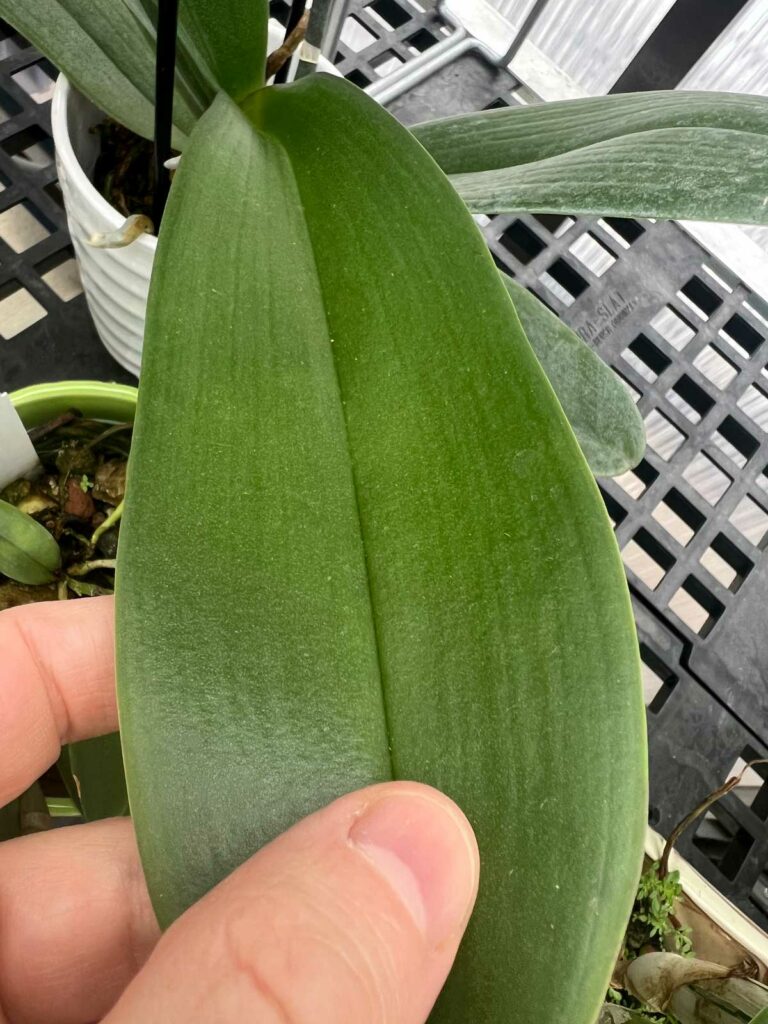
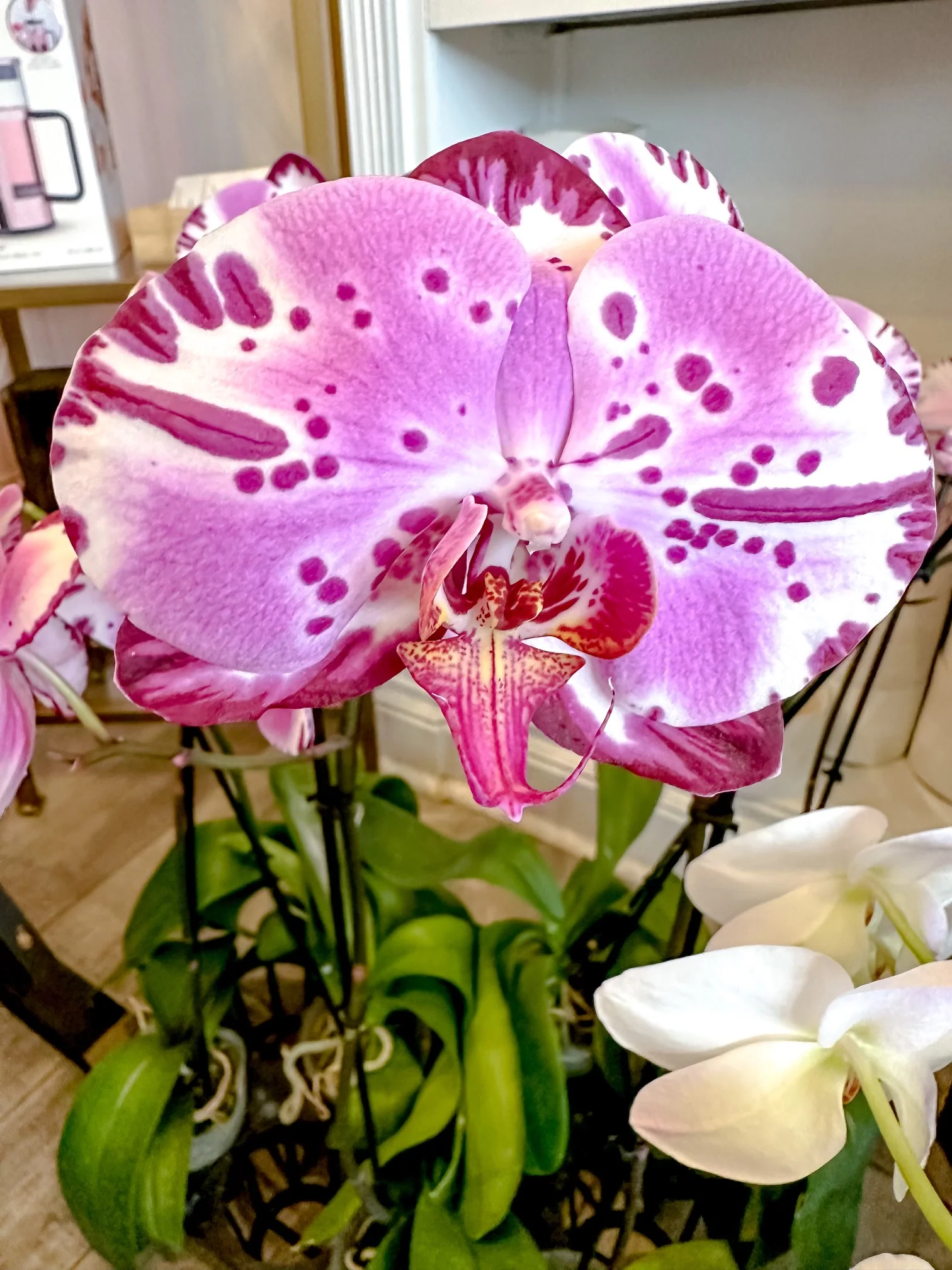
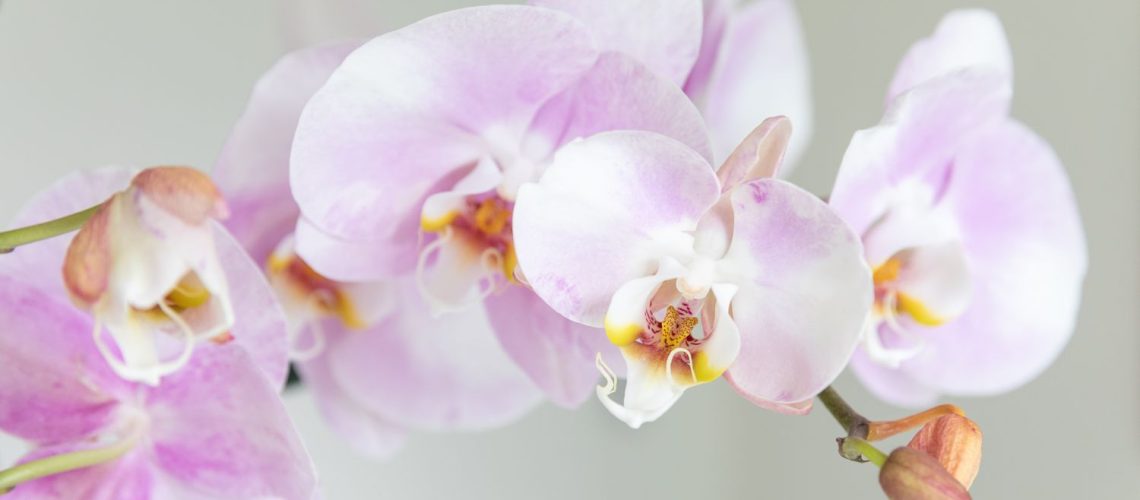
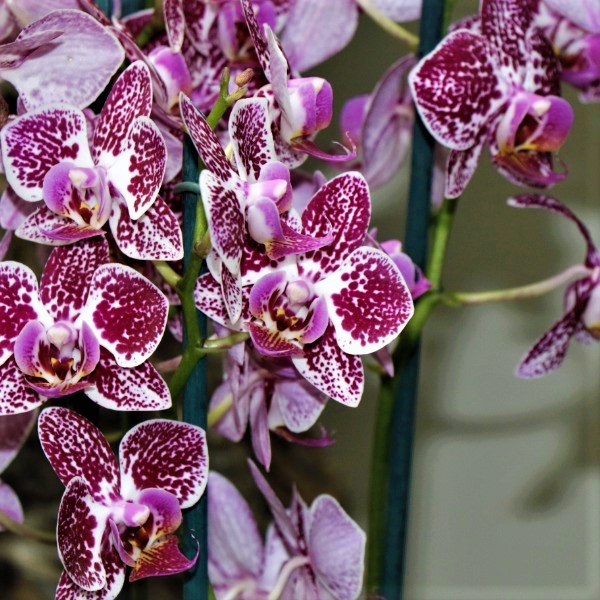
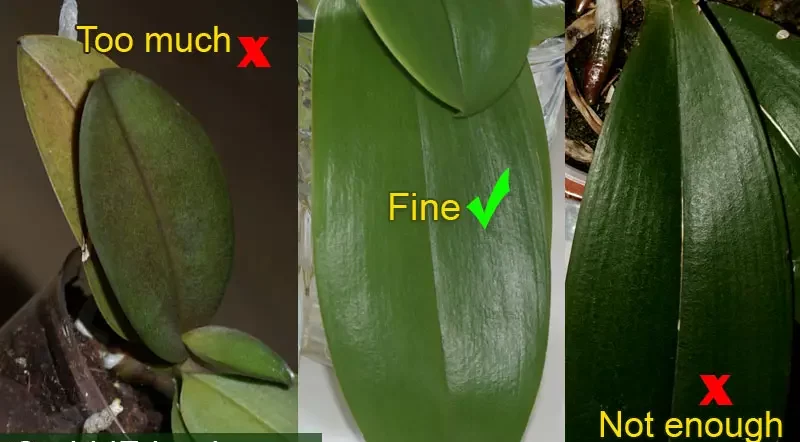
Phalaenopsis, commonly known as the Moth Orchid, thrives across a broad geographical range spanning from India to Australia. Notably, it stands as the orchid with the lengthiest blooming period. Exhibiting a captivating spectrum, its flowers grace the space from delicate pinks and whites to striking yellows, reds, and regal purples, with some boasting mesmerizing mottled patterns. The longevity of Moth orchid blooms is truly remarkable, with their splendor lasting for an impressive two to three months. Mature specimens further extend this floral display, often blooming for a substantial portion of the year. Optimal growth conditions mandate adequate light, though direct sunlight should be avoided. A useful guideline for gauging lighting appropriateness is observing leaf coloration: red-tinged leaves signal excessive light, while darker leaves hint at light deficiency.
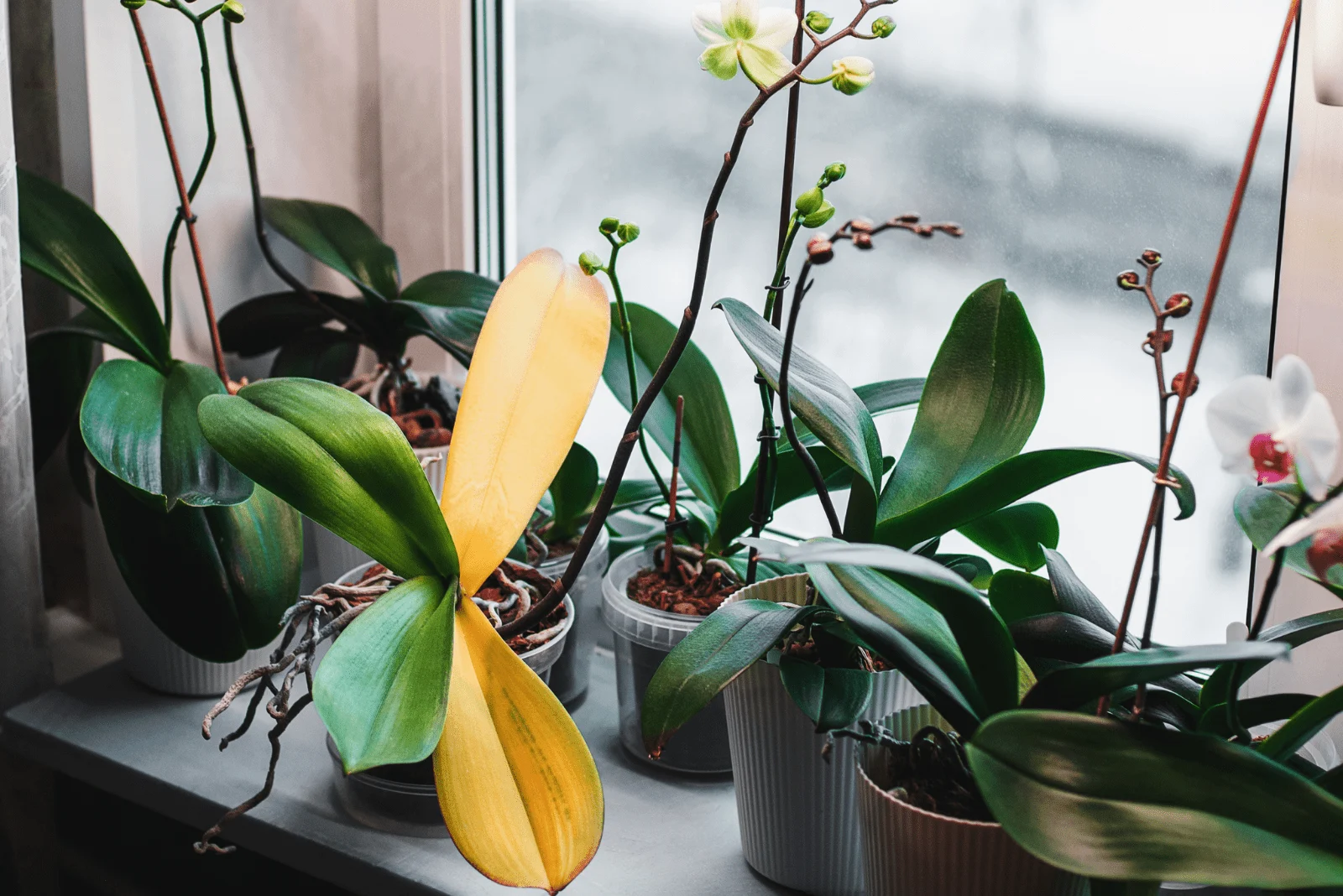
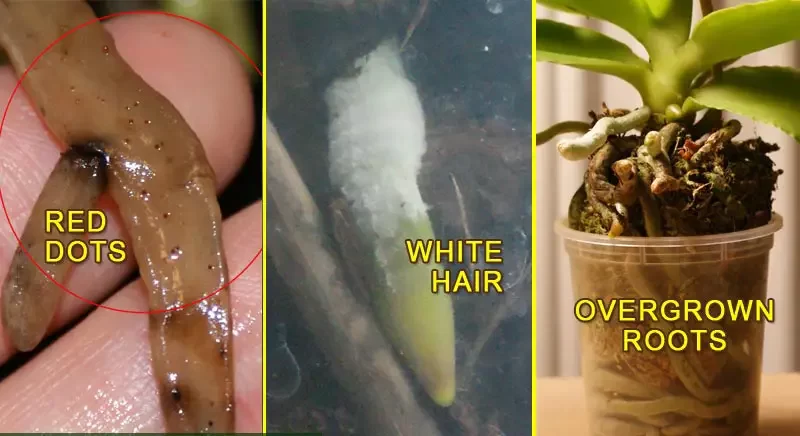
These orchids flourish in a substrate composed of either bark mixture or sphagnum moss, with the former having a higher water retention capacity. Watering these plants is a straightforward task, primarily determined by the state of their roots. Hydrated roots exhibit a plump, green or silver appearance, in contrast to the dull, shriveled appearance of dry roots. The type of substrate influences watering frequency, with bark mix requiring weekly hydration and moss-based substrates needing moisture less often or when they feel dry. The cardinal rule is to avoid overwatering, which can lead to root rot. When irrigating, tepid rainwater is preferable; a brief flush to ensure thorough drainage prevents waterlogging.
Conclusion:
After the bloom cycle concludes, precise care remains crucial for the continued vitality of the Moth Orchid. Trimming flower spikes presents an opportunity for future blossoms, with green spikes being pruned just above nodes to encourage new growth. Brown spikes should be pruned near the base. Additionally, periodic repotting every other year, in slightly larger containers, supports healthy growth and enables the exposure of aerial roots above the pot’s surface. Through diligent adherence to these guidelines, the cultivation of Phalaenopsis Orchids becomes a gratifying endeavor, offering an ongoing spectacle of nature’s artistry within the confines of your indoor space.