
Master the cost-effective art of propagation by taking softwood cuttings from healthy plants. Timing is crucial, with the end of Summer providing the ideal window for optimal growth. Follow a meticulous step-by-step process, from selecting plants and trimming cuttings to potting and nurturing their growth. Explore diverse plant options, including herbs. Through this journey, you’ll cultivate a flourishing garden, a testament to your dedication and expertise in propagation.

Unlocking the Art of Propagation
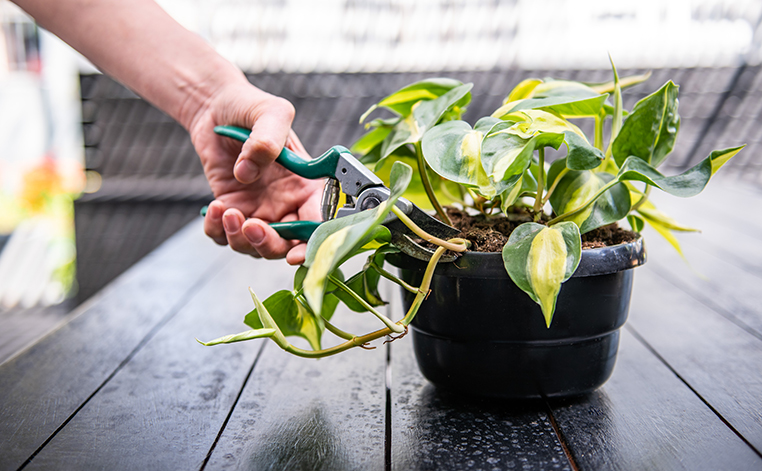
Embarking on the journey of creating a beautiful garden need not be an expensive endeavor. The key lies in mastering the art of propagation, specifically by learning how to take cuttings from well-established, healthy plants in your garden. This method proves to be not only immensely rewarding but also a satisfying way to nurture your very own thriving greenery.
Optimal Timing for Softwood Cuttings
As you delve into the world of propagation, softwood cuttings become a primary focus. Timing is crucial, and the end of the Summer season emerges as the ideal period to gather cuttings from the season’s new growth. This strategic choice ensures that the cuttings have ample time to establish themselves, gearing up for robust growth when transplanted into the garden come Spring.
Step-by-Step Propagation Process
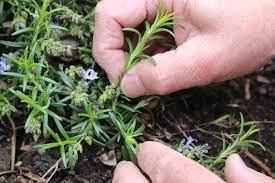
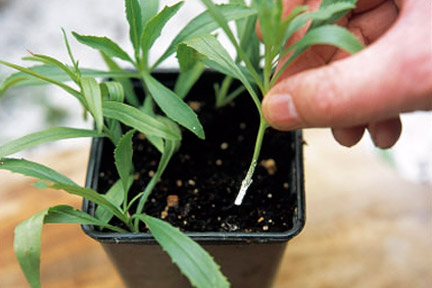
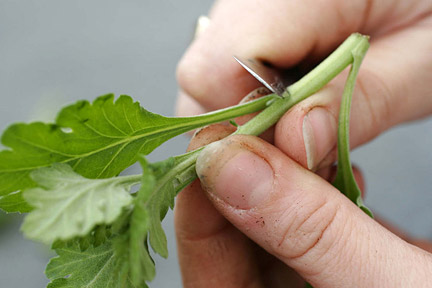
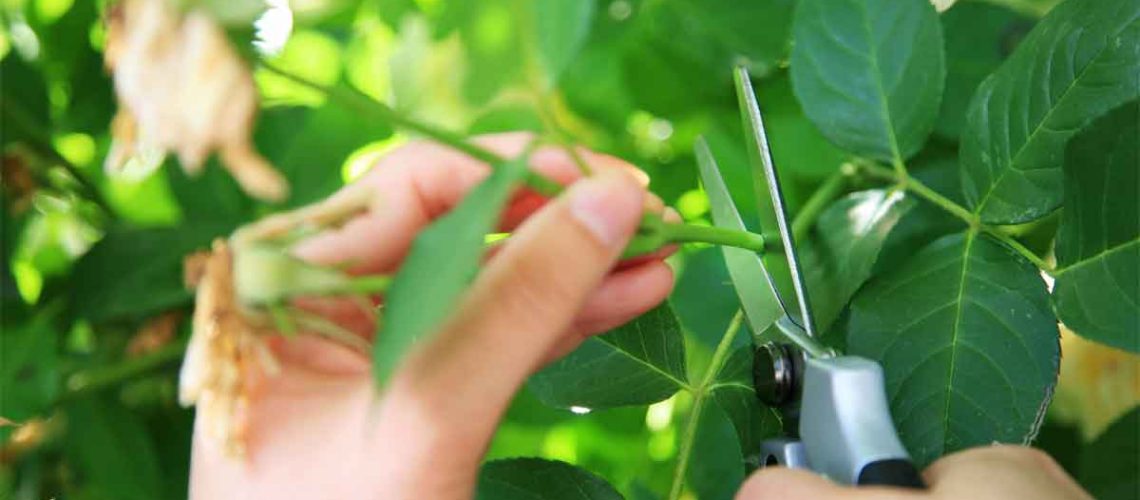
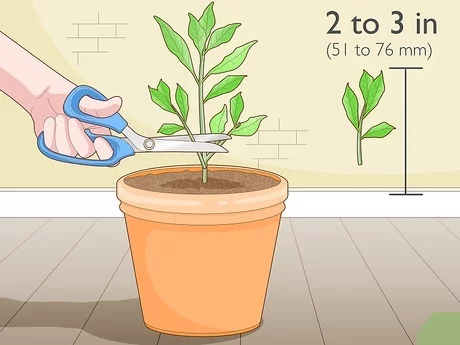
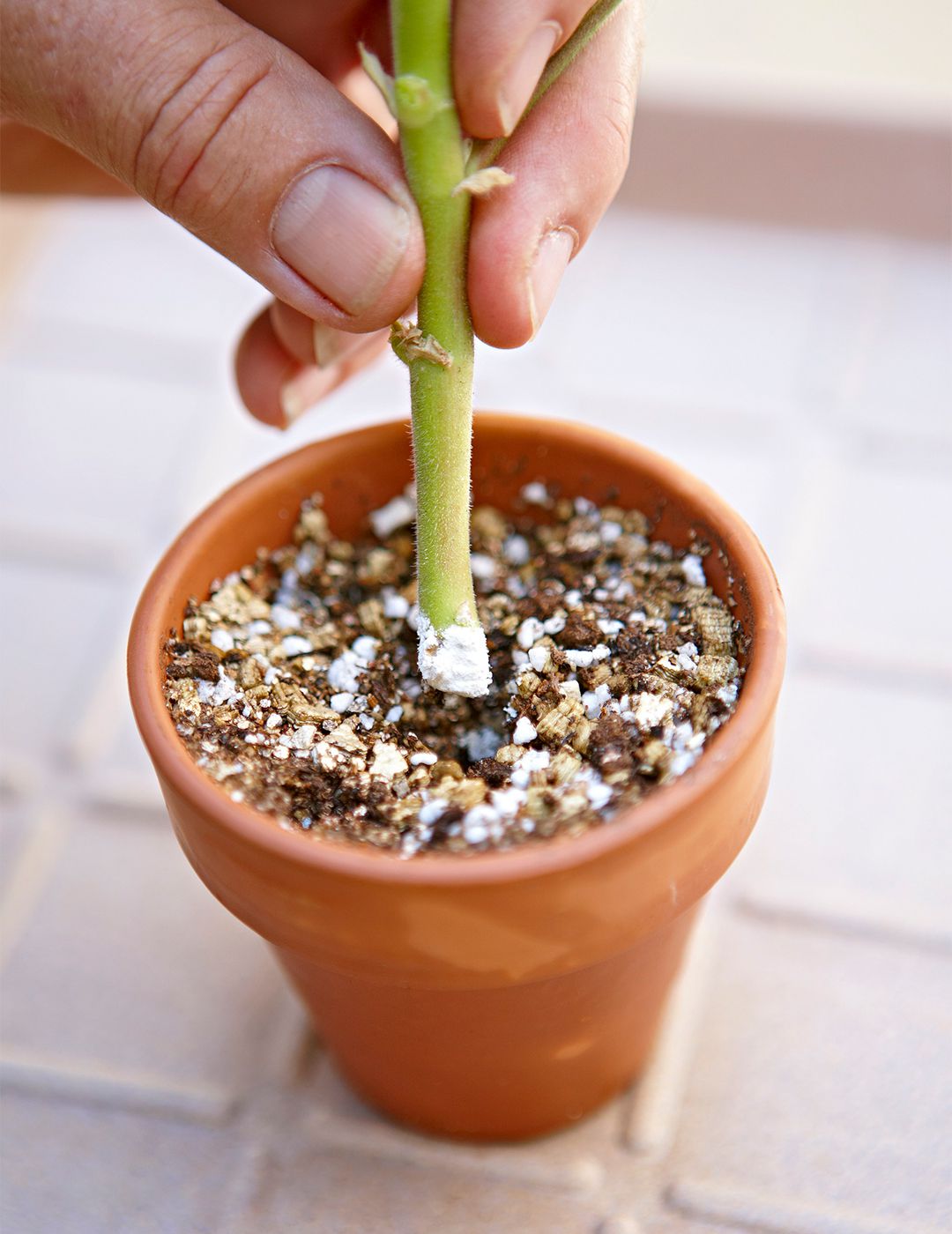
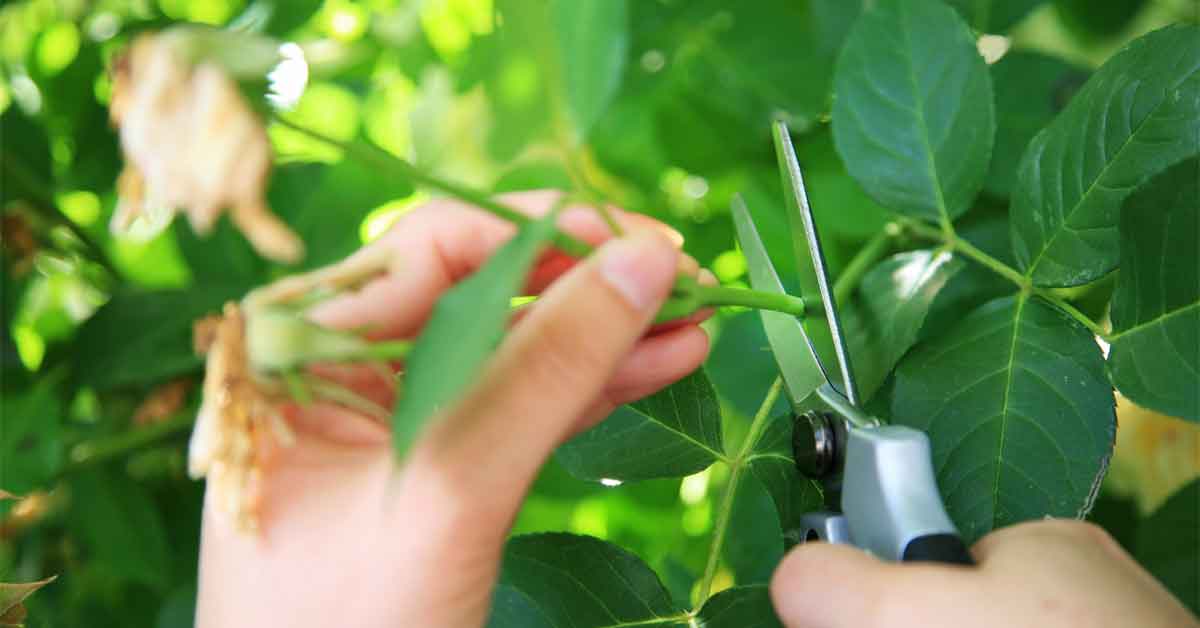
Begin the propagation process by carefully selecting healthy plants and employing clean, sharp secateurs for precision. Cuttings of approximately 10cm in length are ideal, with the lower stem stripped of buds, flowers, and leaves, except for 3 or 4 leaves at the top. A meticulous trimming just below a leaf node, ensuring an 8cm stem, sets the stage for success. Dip the cuttings in water and rooting powder, placing 4 to 6 of them around the edge of a medium-sized plastic pot filled with free-draining compost.
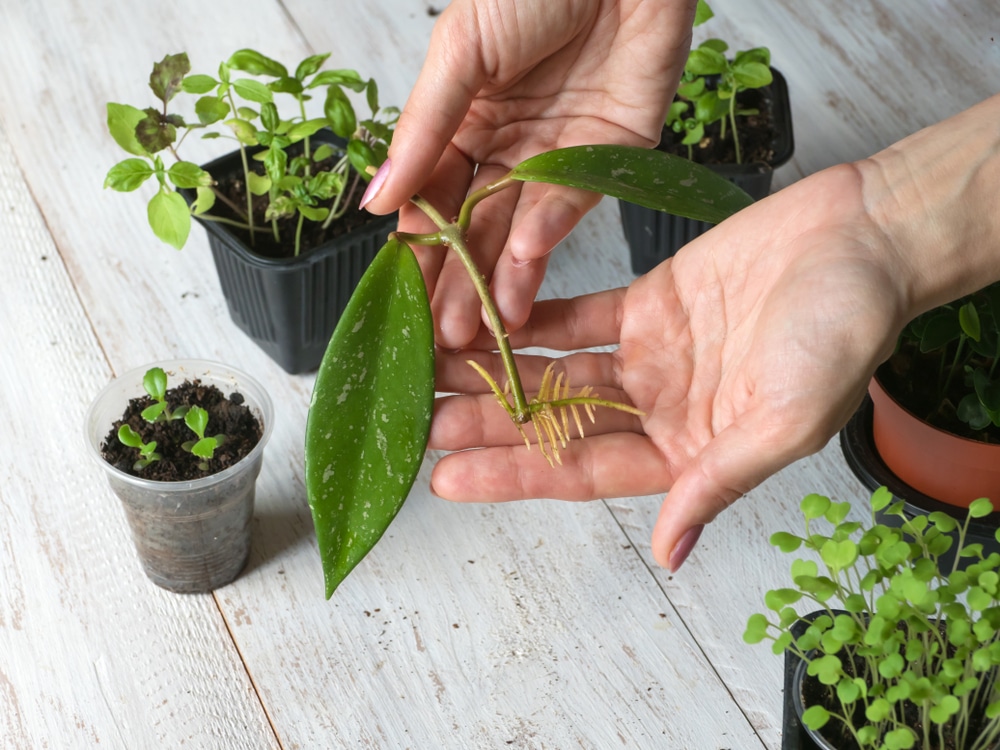
Watering thoroughly, covering the cuttings with a clear plastic bag, and positioning them in a light, semi-shaded area away from direct sunlight follows. Regularly monitor and add water if the compost dries on top. In about 6 to 10 weeks, the cuttings develop roots, signaling the time to pot them into larger containers until they are ready for the final planting in the garden. Enhance the growth by picking out the growing tips for a bushier plant, and the application of seaweed fertilizer fosters overall health.
Exploring Ideal Plants for Softwood Cuttings
The world of softwood cuttings opens up a plethora of possibilities. Ideal plants for this propagation method include Perlargoniums, Fuschias, Rosemary, Argyanthemum daisies, Lavender, Frangipani, Penstemons, Hibiscus, and Hydrangeas. However, don’t limit yourself; experiment with herbs like Basil, Mint, Oregano, Thyme, Lemon Balm, Sage, Coriander, and Parsley. Remarkably, these herbs can root within 4 to 5 weeks, adding diversity to your garden.
Summary: Nurturing Your Garden Through Propagation
In conclusion, mastering the art of propagation unveils a cost-effective and satisfying path to cultivate a beautiful garden. From the strategic timing of softwood cuttings at the end of Summer to the meticulous step-by-step process, including careful selection, trimming, and potting, this method offers a rewarding journey. Embrace the variety of plants suitable for softwood cuttings, expanding beyond traditional choices to include herbs. As your propagated plants flourish, you’ll witness the fruits of your labor, creating a thriving garden nurtured from your own efforts.