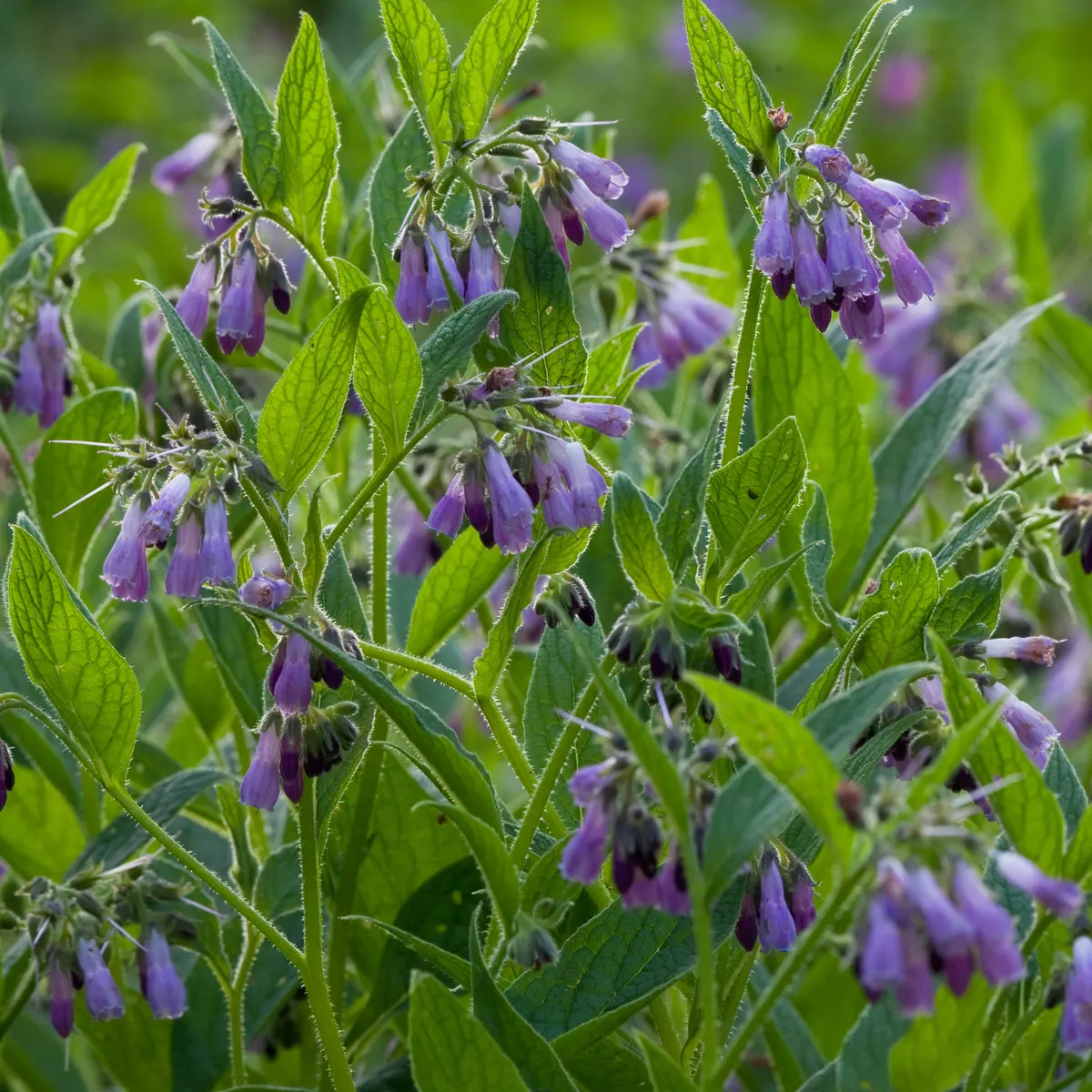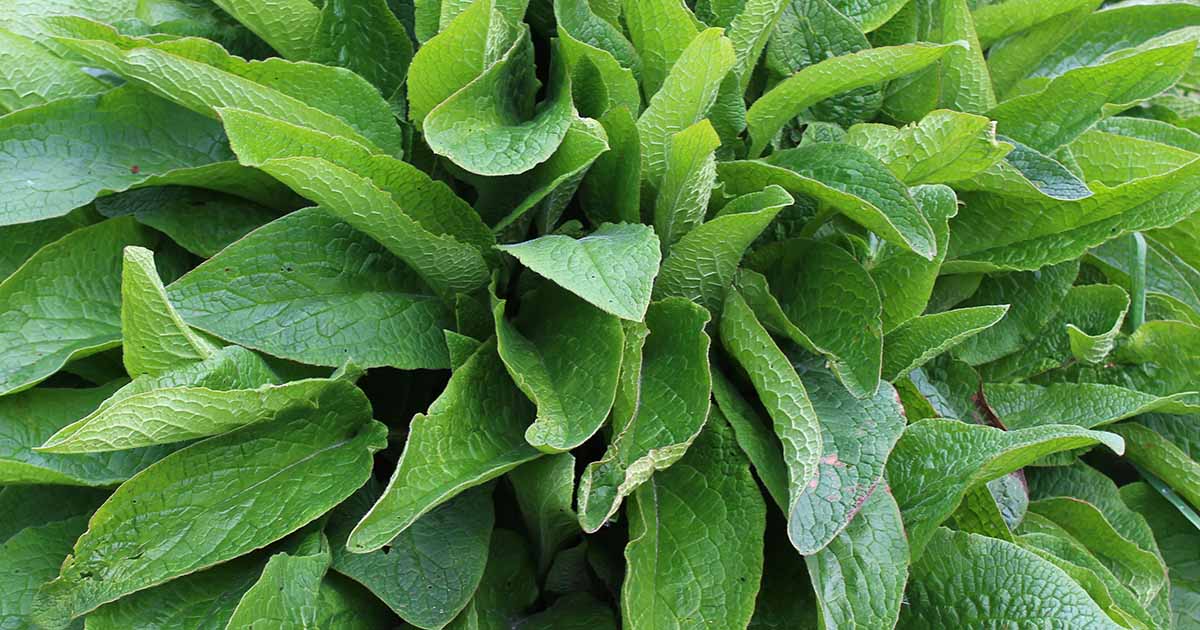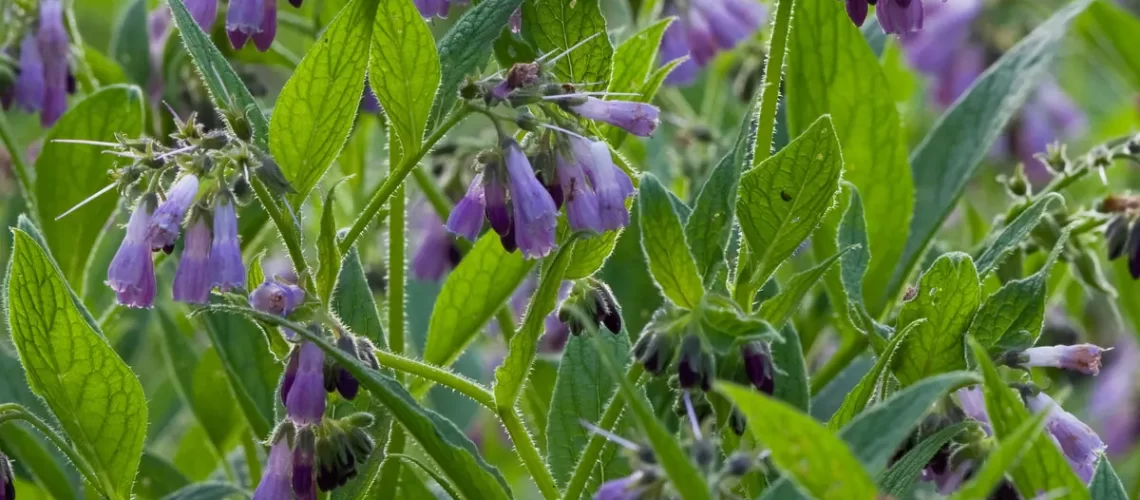

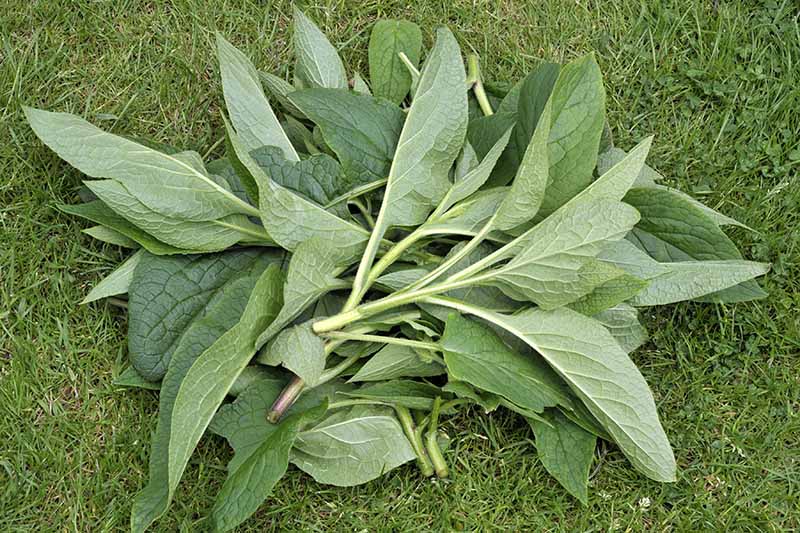
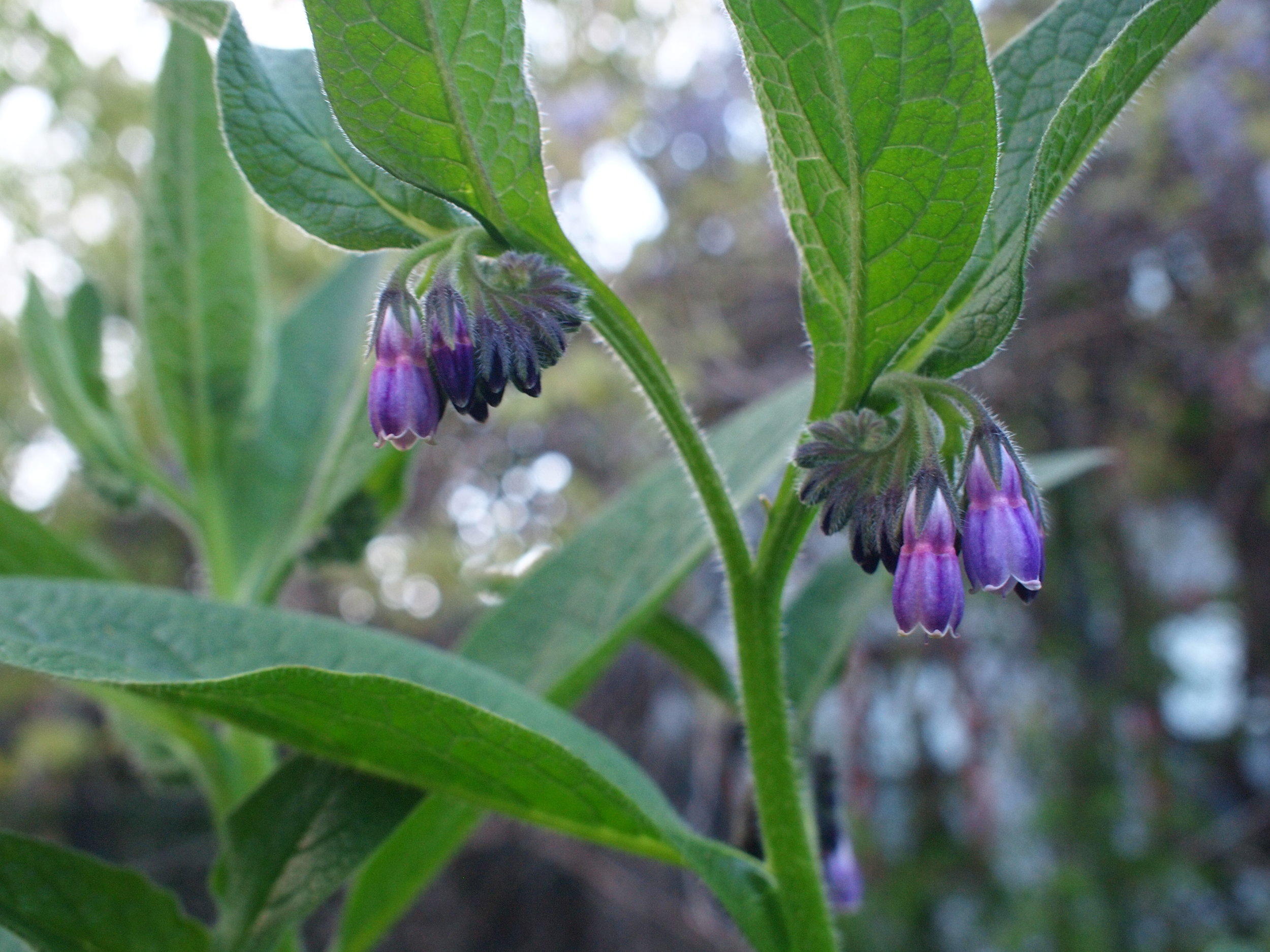
For many gardeners, creating their own fertilizer is not only cost-effective but also offers the opportunity to use natural ingredients. Comfrey, a perennial herb with large, hairy leaves and bell-shaped flowers, is an excellent addition to any garden. It’s rich in potassium, nitrogen, phosphorus, vitamin B12, and minerals, making it an organic garden’s “must-have.” In this article, we will explore the benefits of using Comfrey as a natural fertilizer in your garden and provide tips on how to incorporate it into your gardening routine. We will also discuss the precautions you need to take when handling Comfrey to avoid any allergic reactions or harm to pets.

The Benefits of Comfrey as a Natural Fertilizer for Your Garden
If you’re looking for a natural and effective way to fertilize your garden, look no further than Comfrey. This herb, which belongs to the Borage family, is a must-have for organic gardeners. Here’s why.
Planting and Maintenance
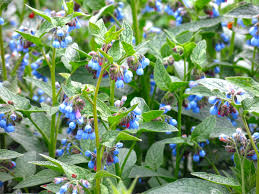
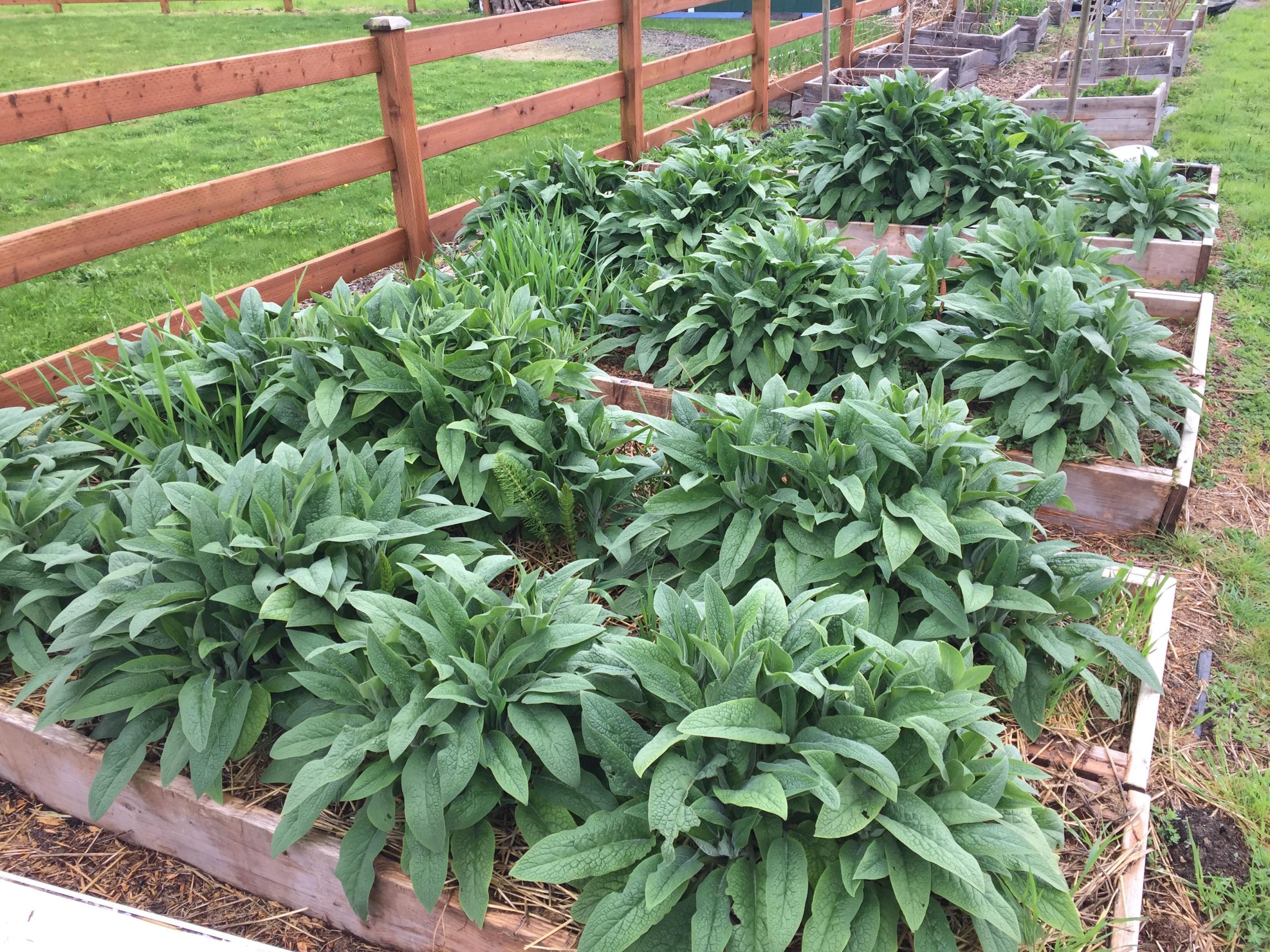
Comfrey is a perennial, deciduous plant that can grow in full sun or semi-shade, and prefers rich, moist soil. Its large, hairy leaves and bell-shaped flowers in purple, yellow or white are very attractive to pollinators, especially bees. However, it can spread quickly and become invasive, so it’s best to confine it to its own area. A large container or raised bed with plenty of space for the root system to establish is ideal. Removing the seed heads will prevent the plant from self-seeding all over the garden.
Rich in Nutrients
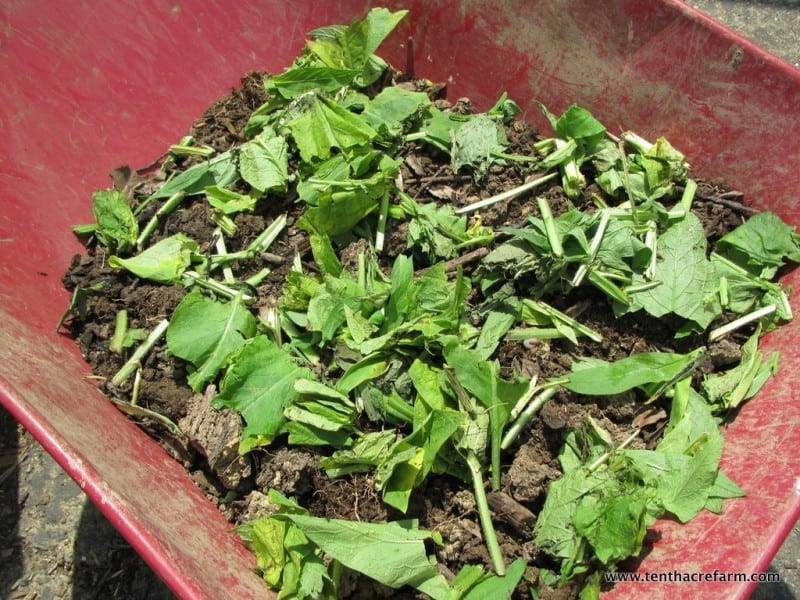
Comfrey is rich in potassium, as well as nitrogen, phosphorous, vitamin B12 and minerals. Its leaves make a superb mulch in vegetable patches, especially for ‘greedy’ feeders like potatoes and tomatoes. A generous mulch of chopped-up leaves is also great for shrubs and flower borders, and can be mixed with grass clippings. Just make sure the cut leaves are dried out before using them as a mulch, as any green pieces will rapidly take root.
Slow-Release Fertilizer
Comfrey leaves can also be used as a slow-release fertilizer. Line the bottom of a planting trench when growing varieties of beans or peas, or use them in planting holes for shrubs or containers. Comfrey can also act as a brilliant compost accelerator when added to a compost heap, providing nutrients and encouraging bacterial activity.
Safety Precautions
Always wear gloves when handling Comfrey, as its hairy leaves can cause an allergic reaction. The plant is also highly poisonous to pets, so take care when planting it in your garden.
In conclusion, Comfrey is an excellent natural fertilizer for your garden. Its high nutrient content makes it a ‘must-have’ for organic gardeners. By using Comfrey leaves for mulch or slow-release fertilizer, you can give your plants a boost without having to use shop-bought products. Just remember to take safety precautions when handling it, and to confine it to its own area in your garden.