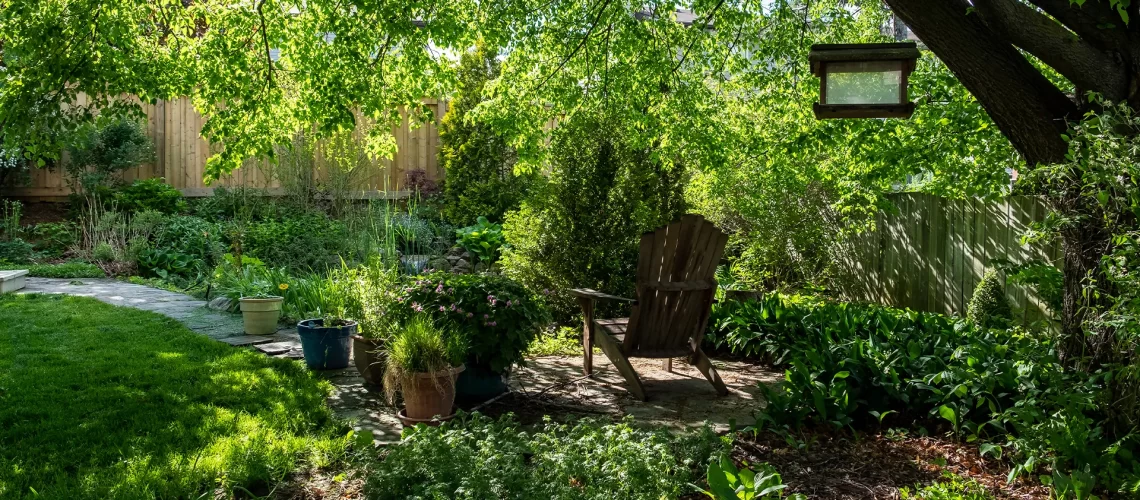

No garden is complete without the delightful sounds of birdsong and the sight of feathered friends enjoying a safe environment. By incorporating specific plants and features, you can attract a diverse range of birds to your garden. In this guide, we will explore various indigenous plants that provide essential food sources, nesting materials, and shelter for birds. Additionally, we’ll discuss the significance of water and the importance of incorporating a bird bath into your garden design.

Attracting Birds with Indigenous Plants:
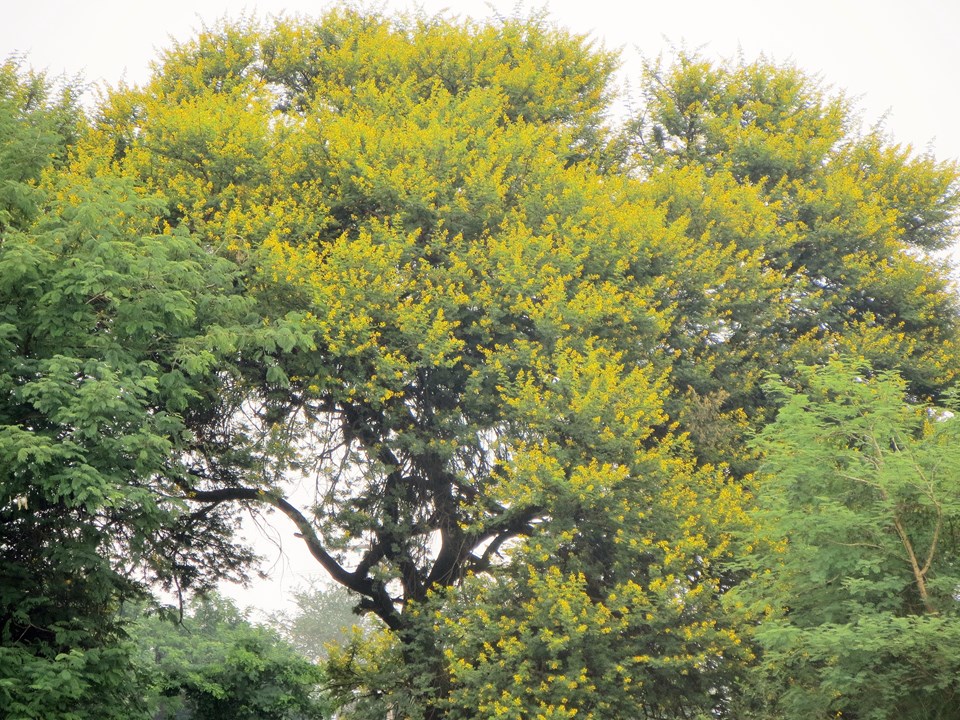
Birds are naturally drawn to gardens that offer a variety of plants providing nectar, flowers, fruit, seeds, and insects. To create an inviting environment, consider incorporating a wide range of indigenous plants that serve as valuable food sources for birds. Established trees, such as the Acacia Karoo (Sweet thorn), are particularly popular due to their buds, seeds, and leaves that many birds love to feed on. The Karoo also supports a thriving insect population, which further attracts hungry birds.
Indigenous Plants That Attract Birds:
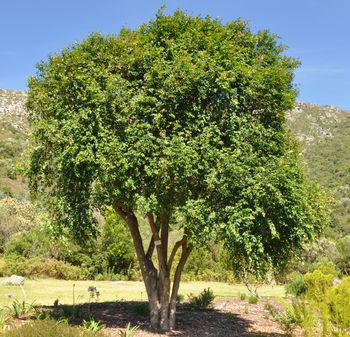
From Dune Crowberry to Tree Fuchsia Among the many indigenous plant options, the Searsia Crenata (Dune crowberry) is a drought-tolerant shrub with fragrant leaves when crushed. The female variety produces fruit that acts as a magnet for birds like doves and turacos. Another bird-friendly option is the Halleria Lucida (Tree fuchsia), an ideal multi-stemmed shrub or small tree for smaller gardens. Its orange/dark red tubular flowers hanging in dense bunches provide nectar, attracting sunbirds, white-eyes, and weavers. Turacos also enjoy the fruit, while other birds feed on the insects that gather on the plant.
Nectar-Eating Birds:
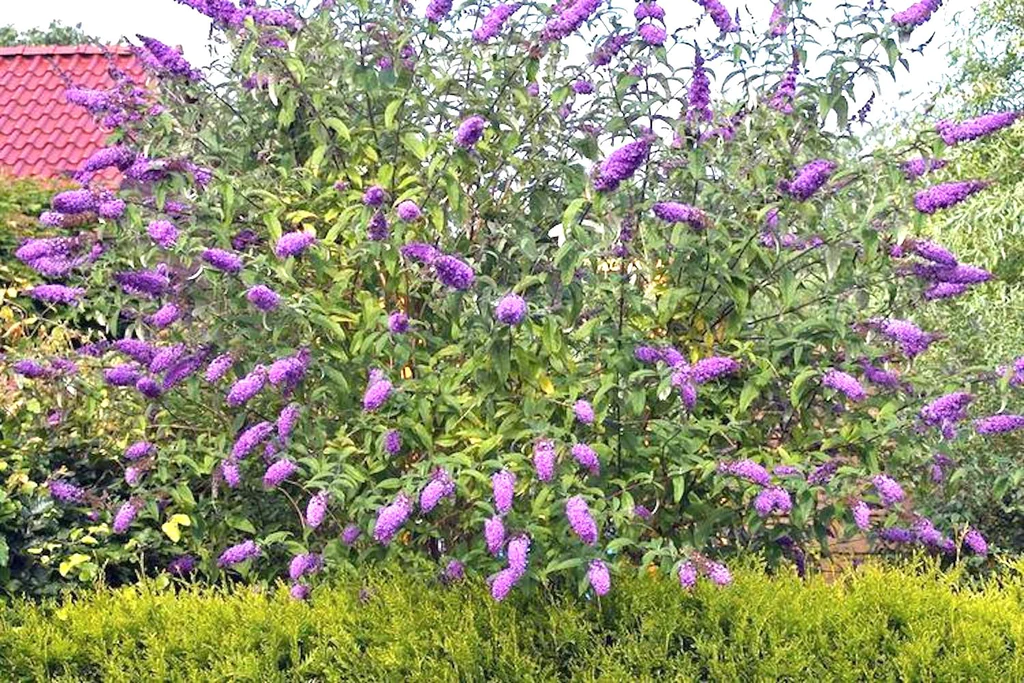
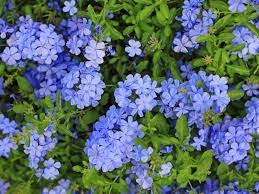
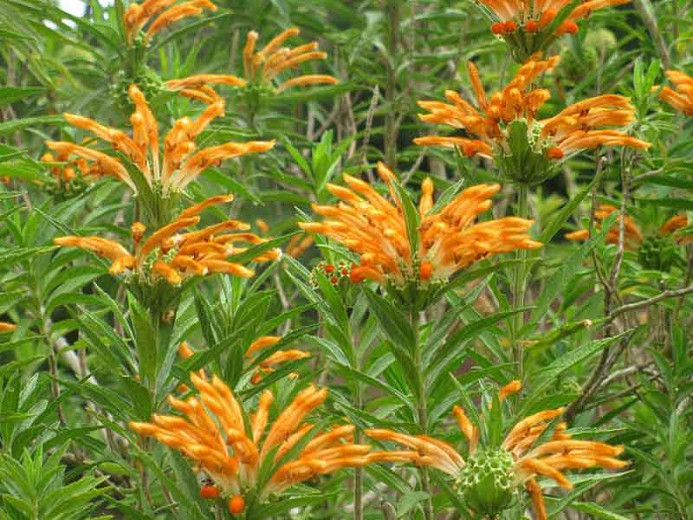
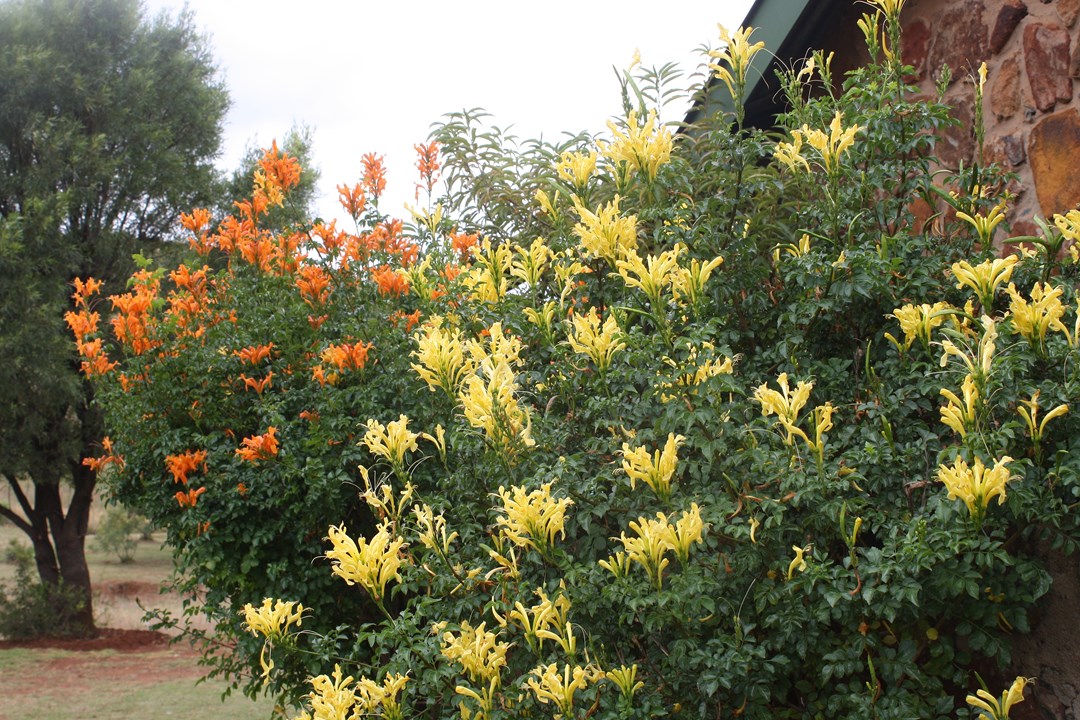
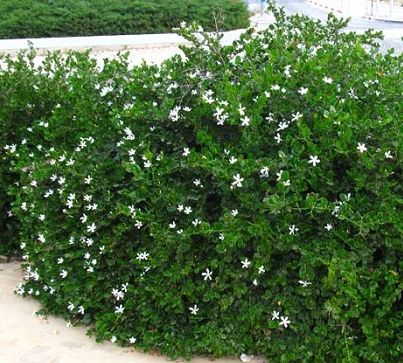
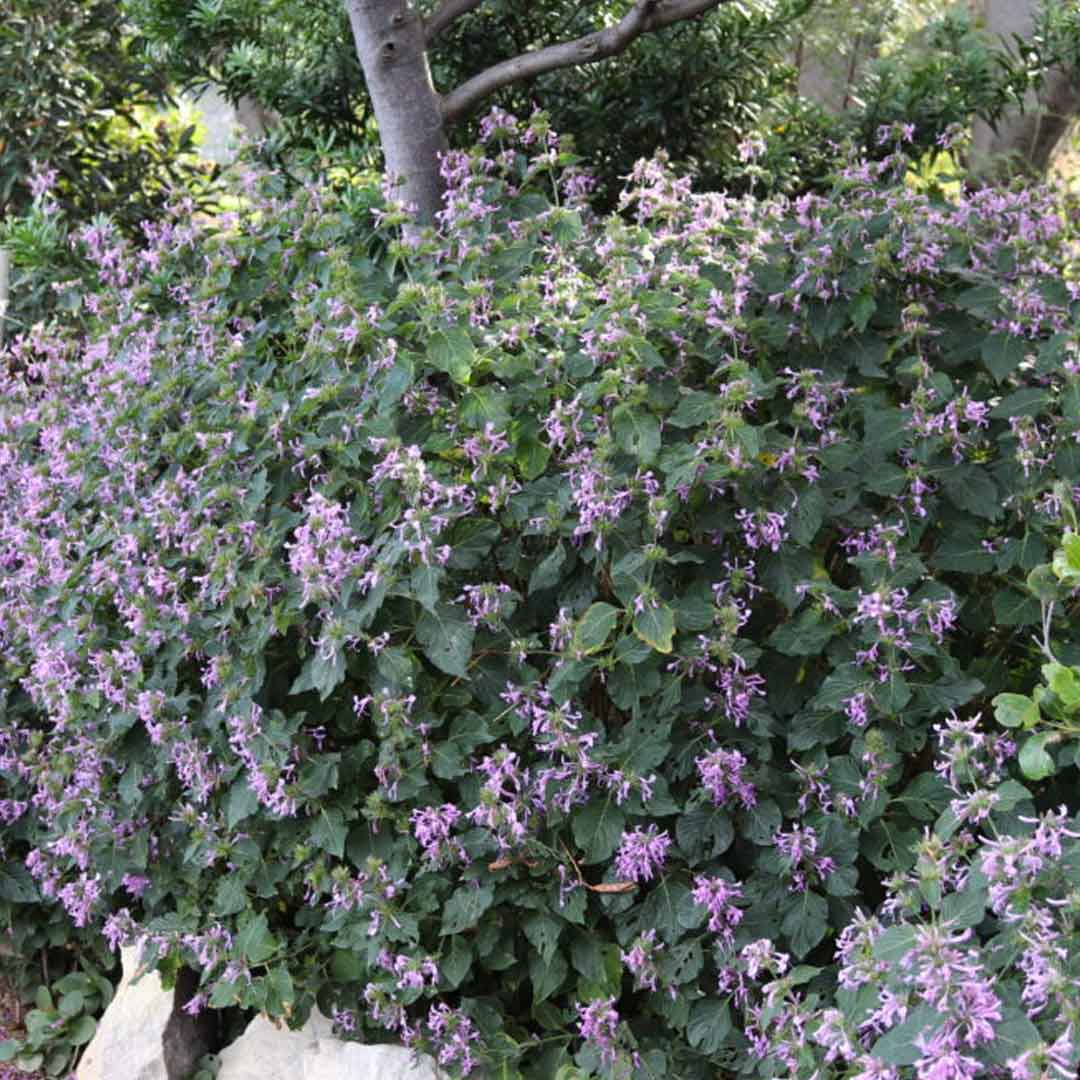
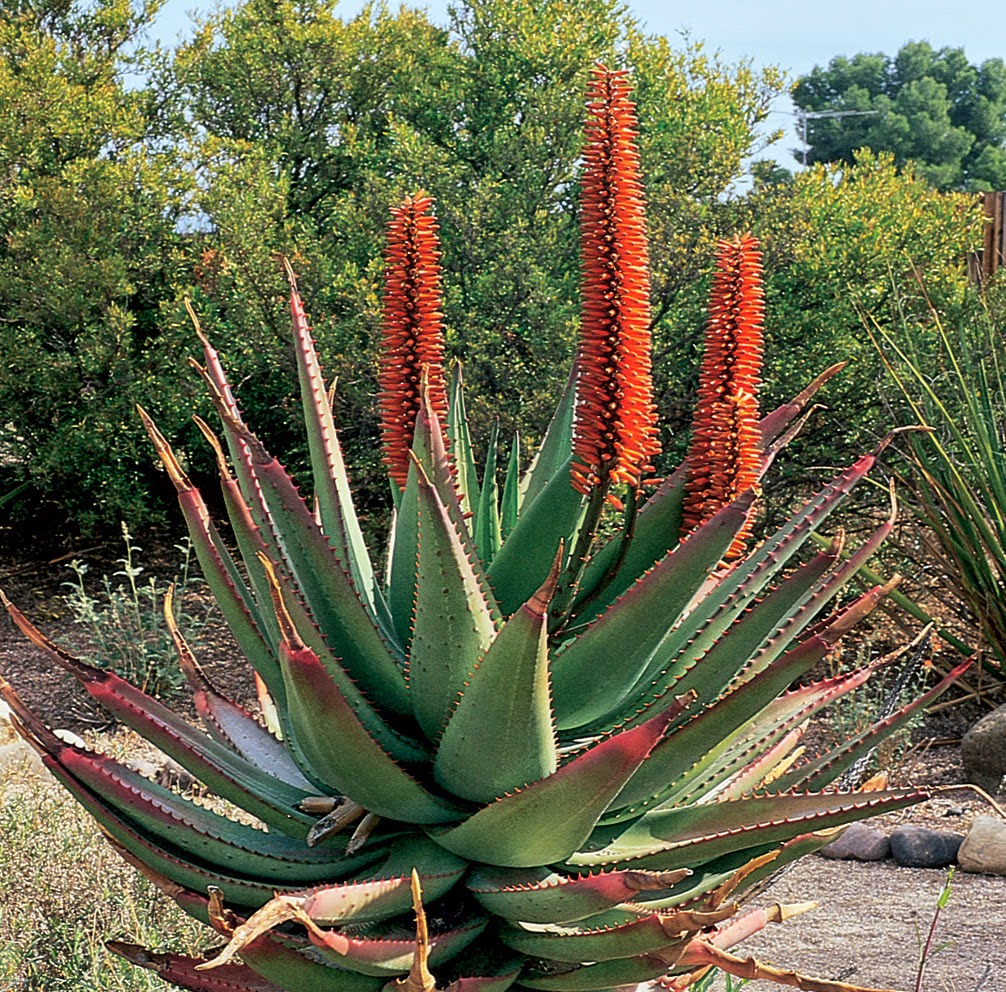
Thriving with Aloes and Other Shrubs Shrubs, such as various species of Aloes, play a vital role in attracting nectar-eating birds. These plants create a feast for birds with their vibrant flowers rich in nectar. Additionally, several other shrubs like the Hypoestes Anstata (Ribbon bush), Carissa Macrocarpa (Num-num), Tecomaria Capensis (Cape honeysuckle), Leonotis Leonurus (Wild dagga), Plumbago Auriculata (Cape leadwort), and Buddleja (Sagewood) produce flowers that attract insects. These insects, in turn, provide essential protein and fat for the birds, contributing to their overall health and vitality.
Nesting Materials and More:
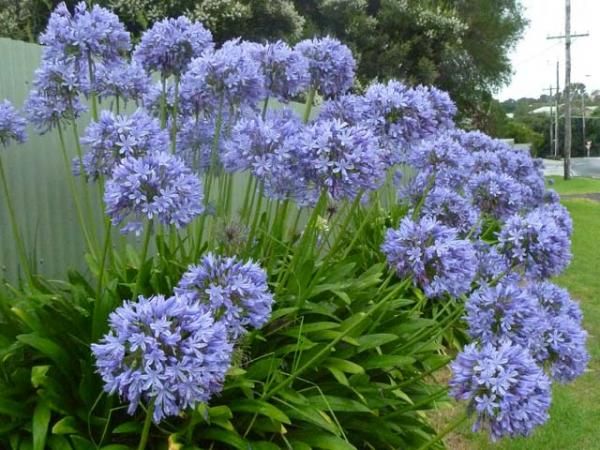
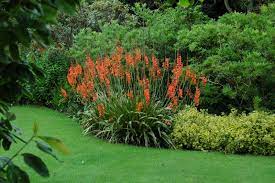
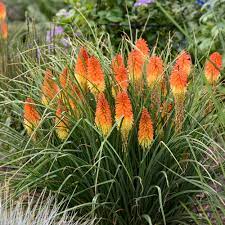
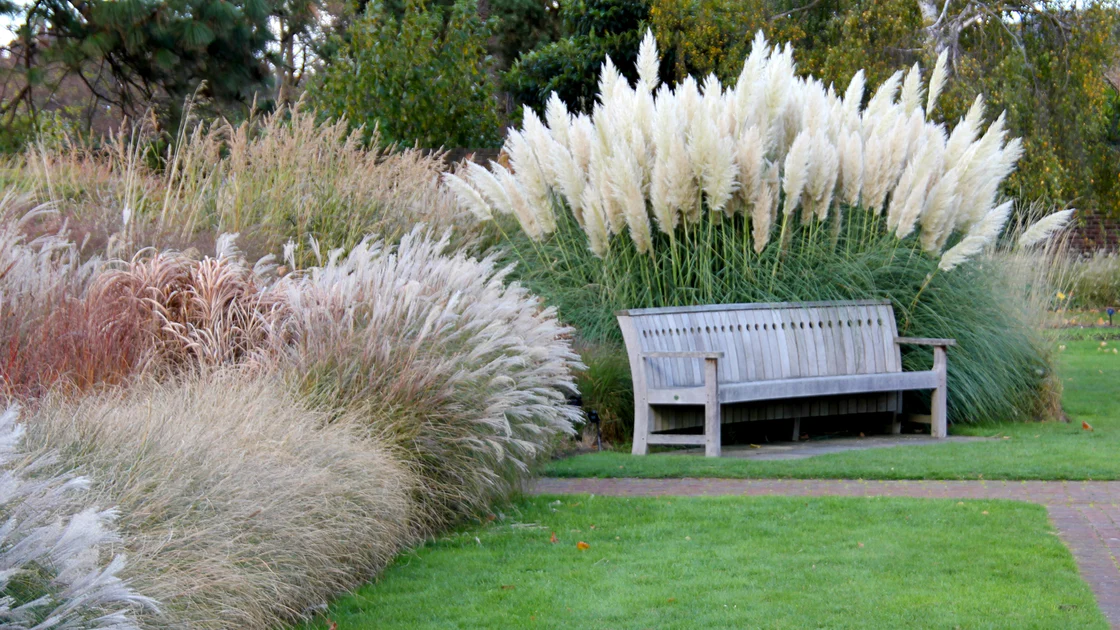
Ornamental Grasses and Flower Bed Plants To create an inviting space for birds to nest, consider incorporating ornamental grasses into your garden. These grasses not only provide nesting materials but also attract insects and offer seeds as a food source. Additionally, plants like Red Hot Poker, Strelitzia, Watsonia, Clivia, and Agapanthus are valuable additions to flower beds, as they provide both aesthetic beauty and nourishment for birds.
The Importance of Water:
Incorporating a Bird Bath In any bird-friendly garden, water is an essential element. Birds need a water source for drinking and bathing, so it’s crucial to include a bird