
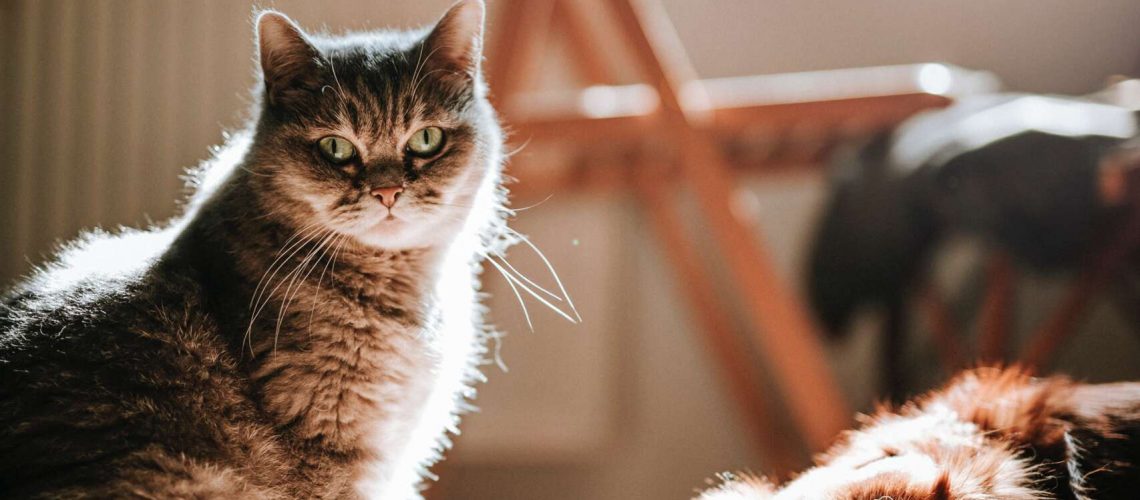

It’s great to see our pets enjoy playing and exploring the garden, but, unfortunately, certain plants that are popular in our gardens are poisonous to animals and, in some cases, very dangerous if chewed or eaten.
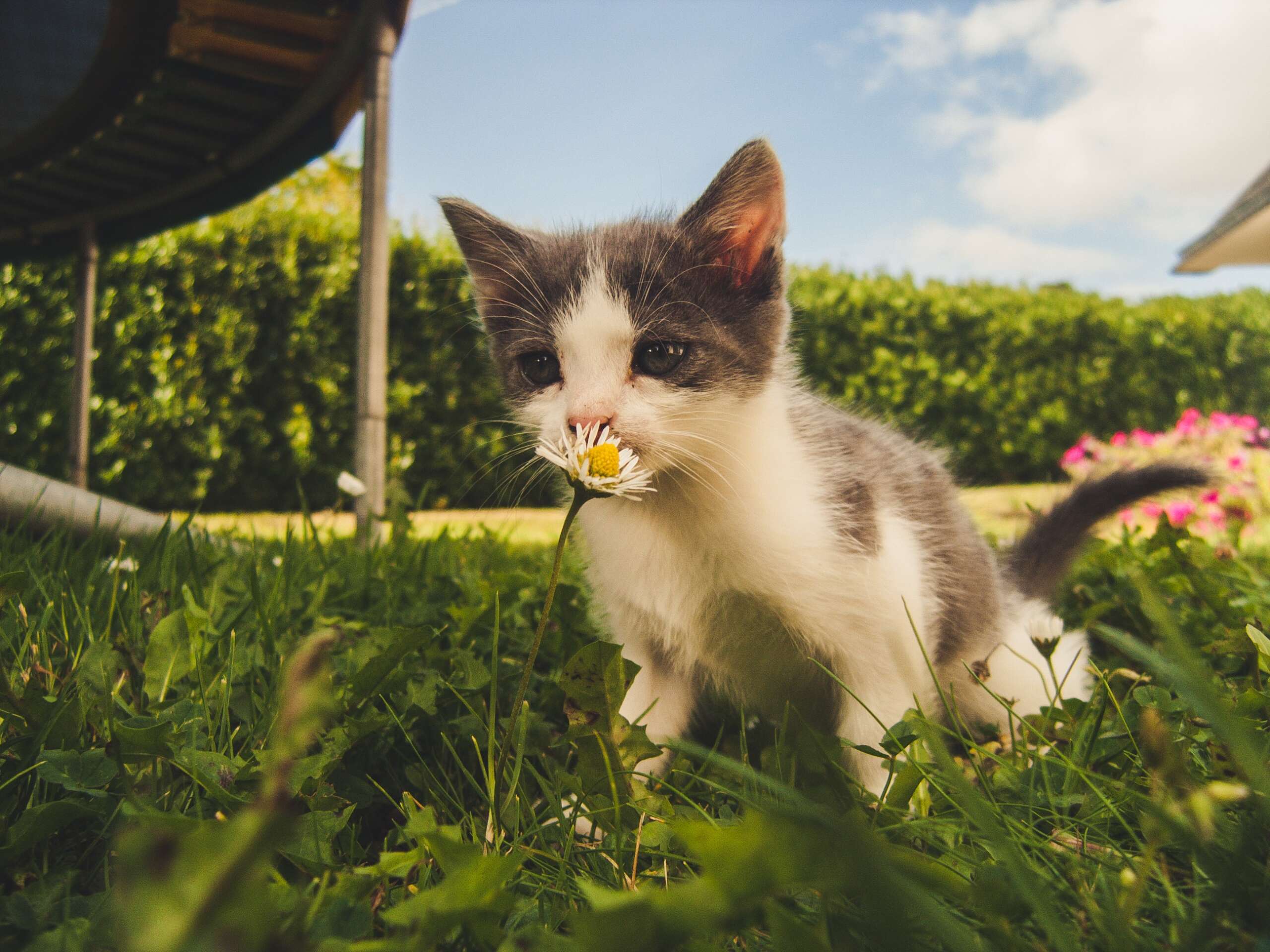

Here are a few of the most toxic plants you should avoid if you have pets, or, at least, keep out of their reach.
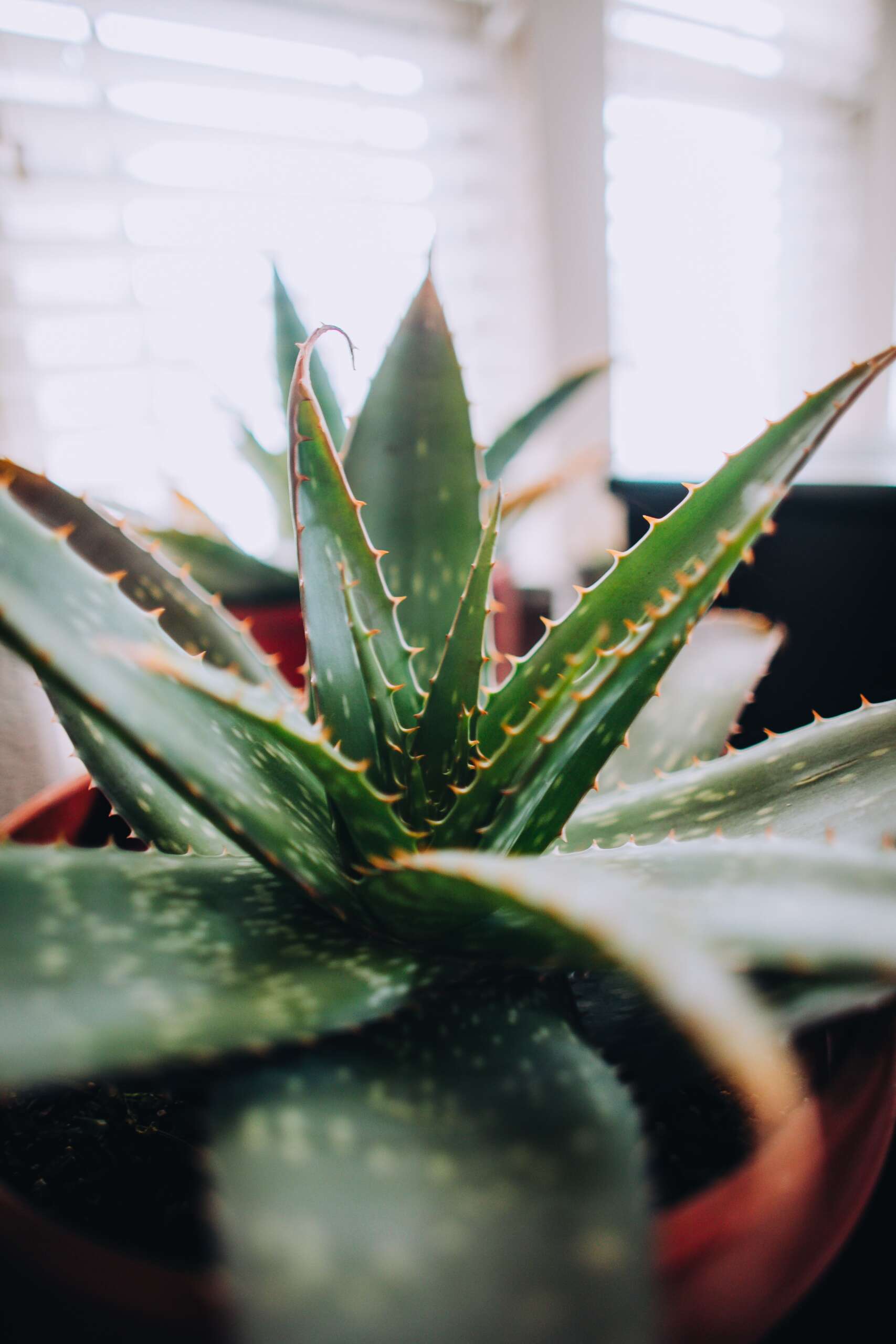
The Aloe Vera, well-known for its healing properties in humans, is extremely toxic to both dogs and cats, causing vomiting and diarrhoea.
The Oleander tree, a lovely plant, is poisonous to dogs and cats, causing heart problems.
Beautiful, fragrant lilies can cause kidney failure in both cats and dogs. This includes Arums, Clivia, Stargazer, Tiger and St Joseph.
Nuts or kernels of the Macadamia tree are highly toxic if eaten by dogs.


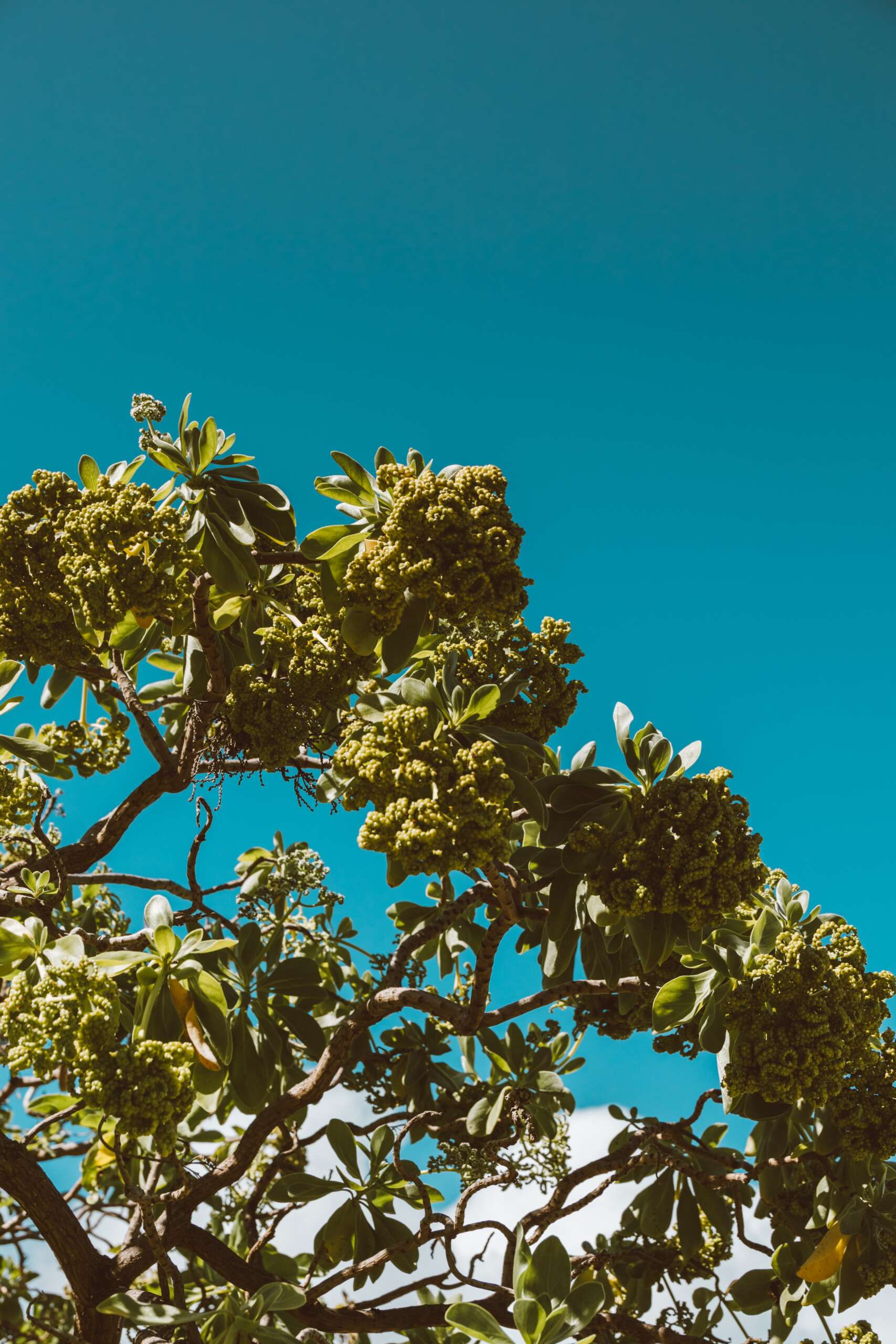
The Cyead, although a gorgeous plant, has highly poisonous seeds that are in their cones, which can cause liver damage in pets.
The seed capsules of the Stinkblaar are extremely dangerous and can prove fatal.
Sap, released from broken stems of the Euphorbia Tiriacalli is a strong irritant which is corrosive to your pets eyes.
Azaleas, very popular with gardeners, has leaves that are very dangerous to both dogs and cats if eaten, affecting the heart and causing temporary blindness and weakness.
The Chinkerinchee is a pretty plant, but extremely toxic to dogs and cats causing diarrhoea and blindness.
Dogs love the ripe berries of the Syringa berry tree but these can cause damage to a dog’s nervous system.
Some spring bulbs such as Daffodils, Hyacinth and Tulips can cause mild vomiting or diarrhoea if the bulbs are eaten by pets.
Although it can sound very alarming, by being aware of any dangers and taking a few precautions you can be confident your garden is a safe, happy environment for your pet!