
Choosing the ideal plants for your garden hinges on recognizing your soil type—sandy or clay. Sandy soil, with its free-draining nature, benefits from organic matter and suits tap-rooted veggies and fruit trees. On the other hand, clay soil, though moisture-retentive, requires organic amendments for improved workability and is perfect for roses and various flowering plants. Understanding and optimizing your soil conditions will result in a thriving and picturesque garden.

Choosing the Right Soil for Your Garden
Deciding on the perfect plants for your garden is a crucial first step, and it all begins with understanding your growing conditions and soil type. Two primary categories, sandy and clay soil, significantly influence plant success, determining the key to a flourishing garden or a bountiful vegetable plot.
Sandy Soil: Enhancing Drainage and Nutrients
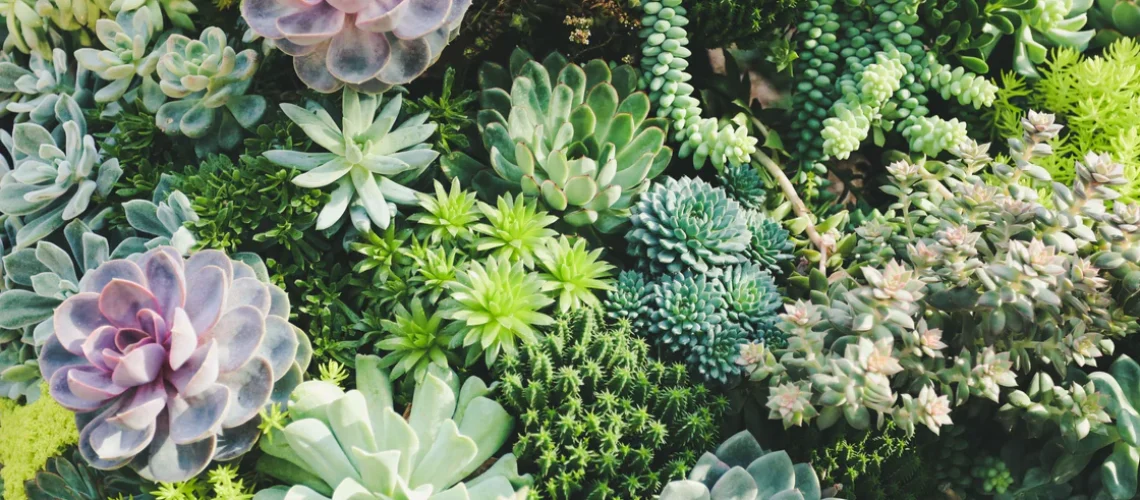
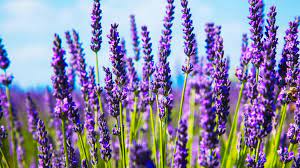
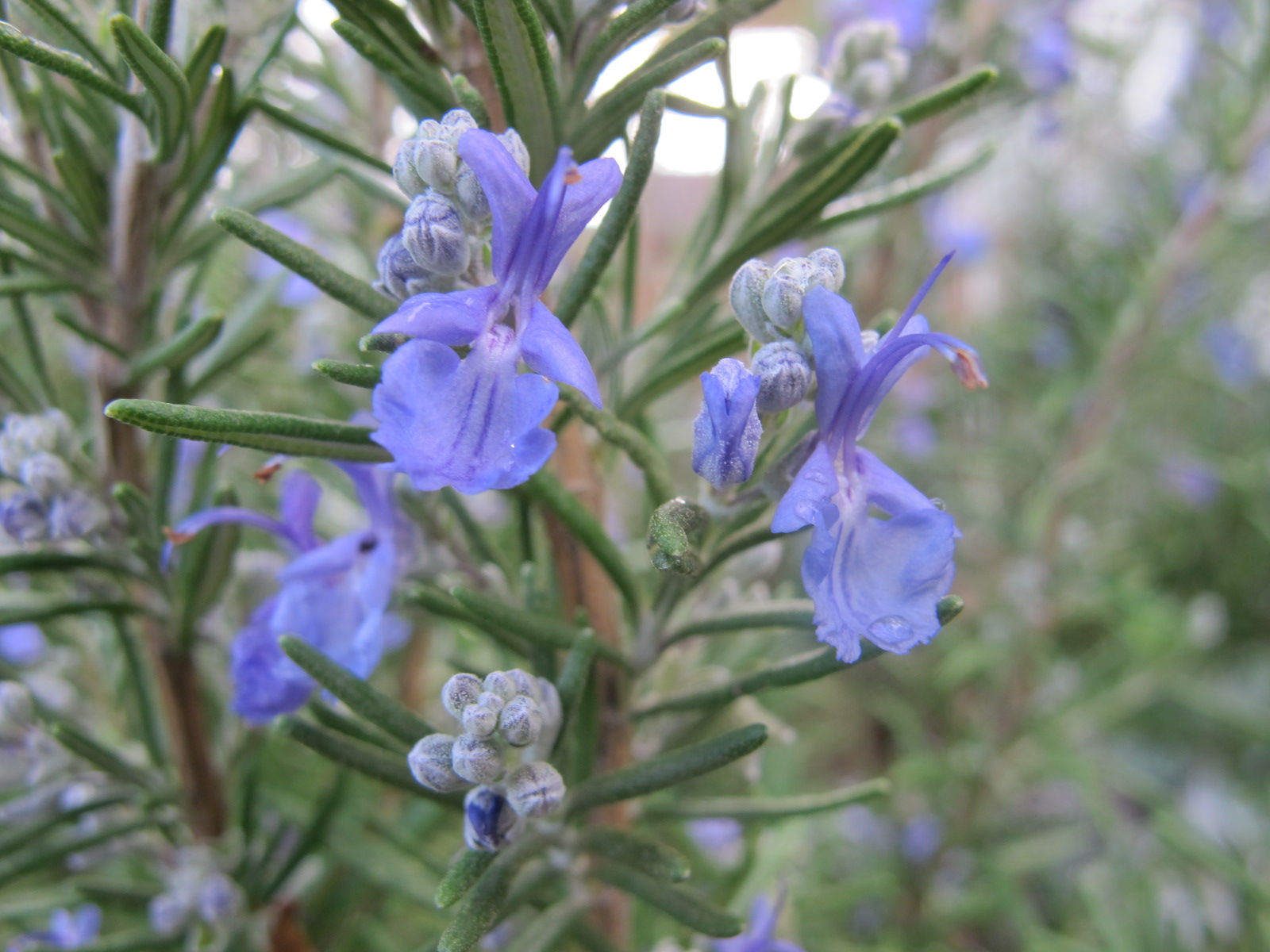
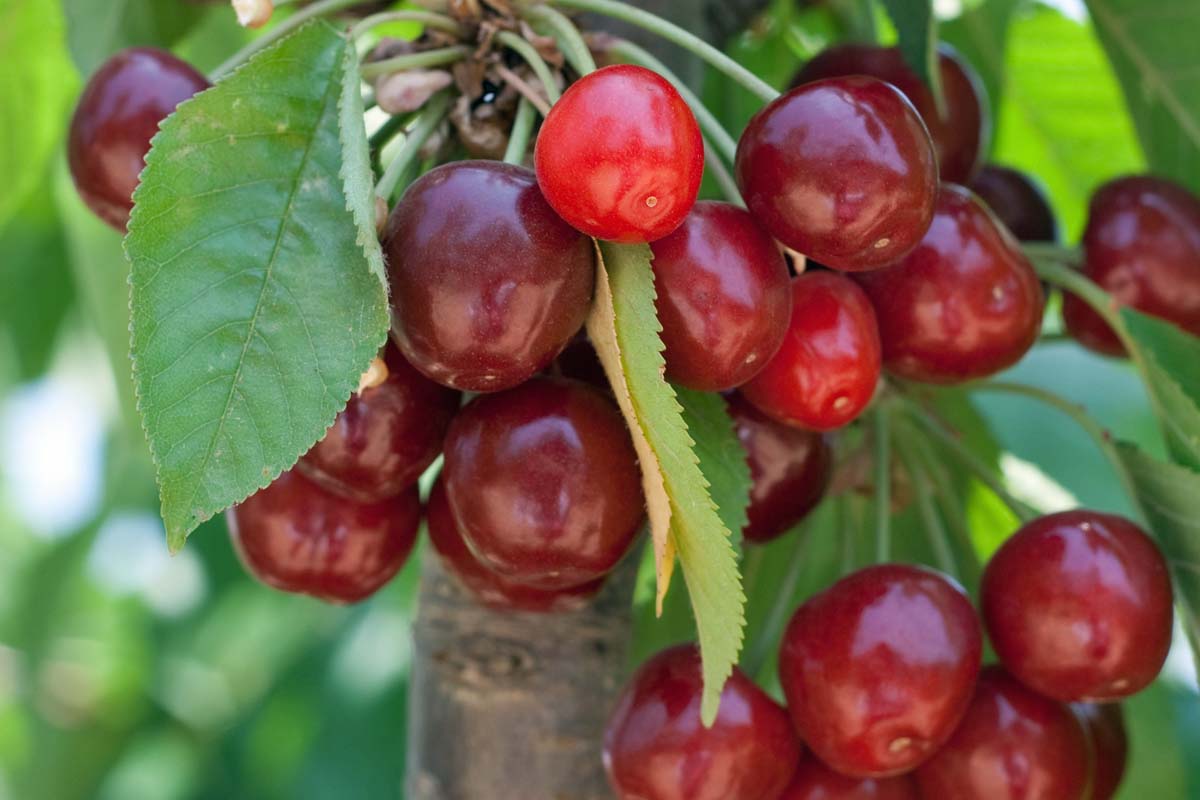
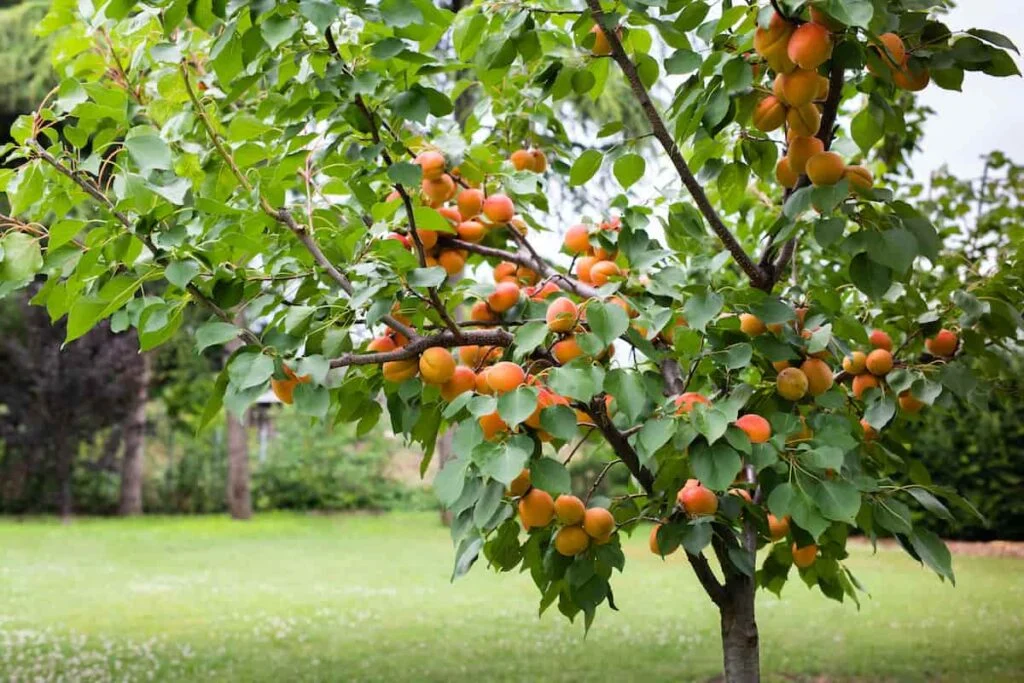
Sandy soil, while free-draining, lacks sufficient moisture and nutrients for many plants, especially during scorching weather. To enhance its fertility, incorporate 3” to 4” of organic matter like well-rotted manure or compost. Planting with compost in each hole and adding mulch around the roots with leaves or wood chips improves moisture retention. This environment suits tap-rooted veggies like carrots and fruit trees such as peaches, apricots, and sweet cherries. Herbs like rosemary and lavender, requiring good drainage, thrive here, as do various flowering plants like pelargoniums and dianthus.
Clay Soil: Overcoming Challenges for Fertility
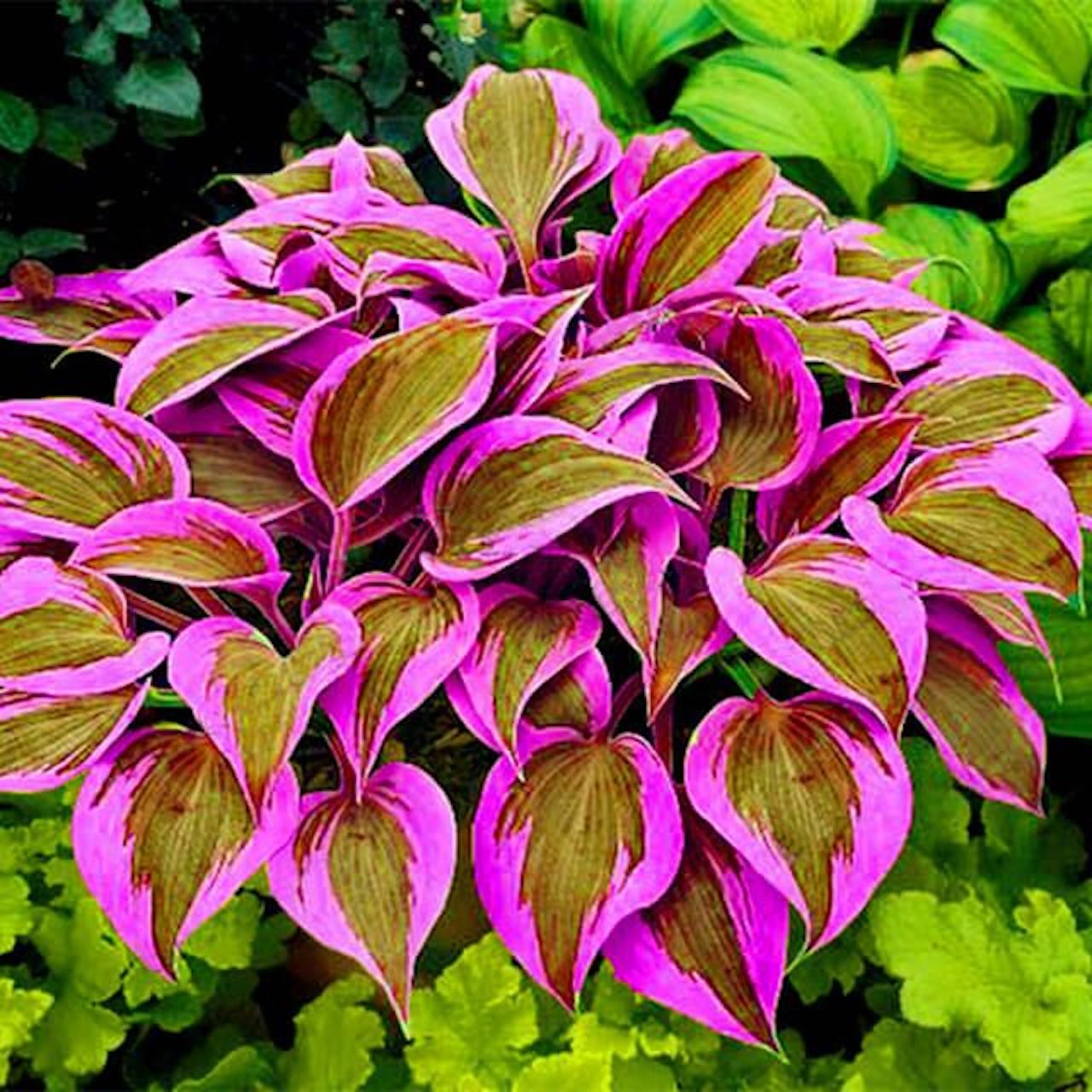
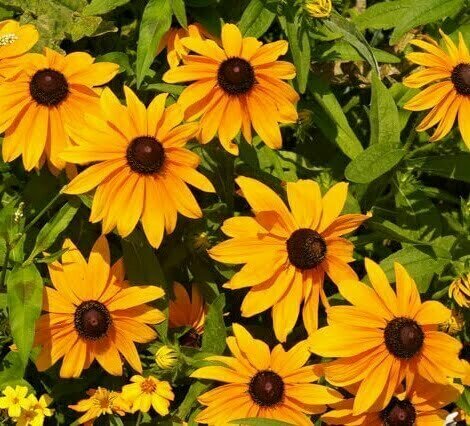
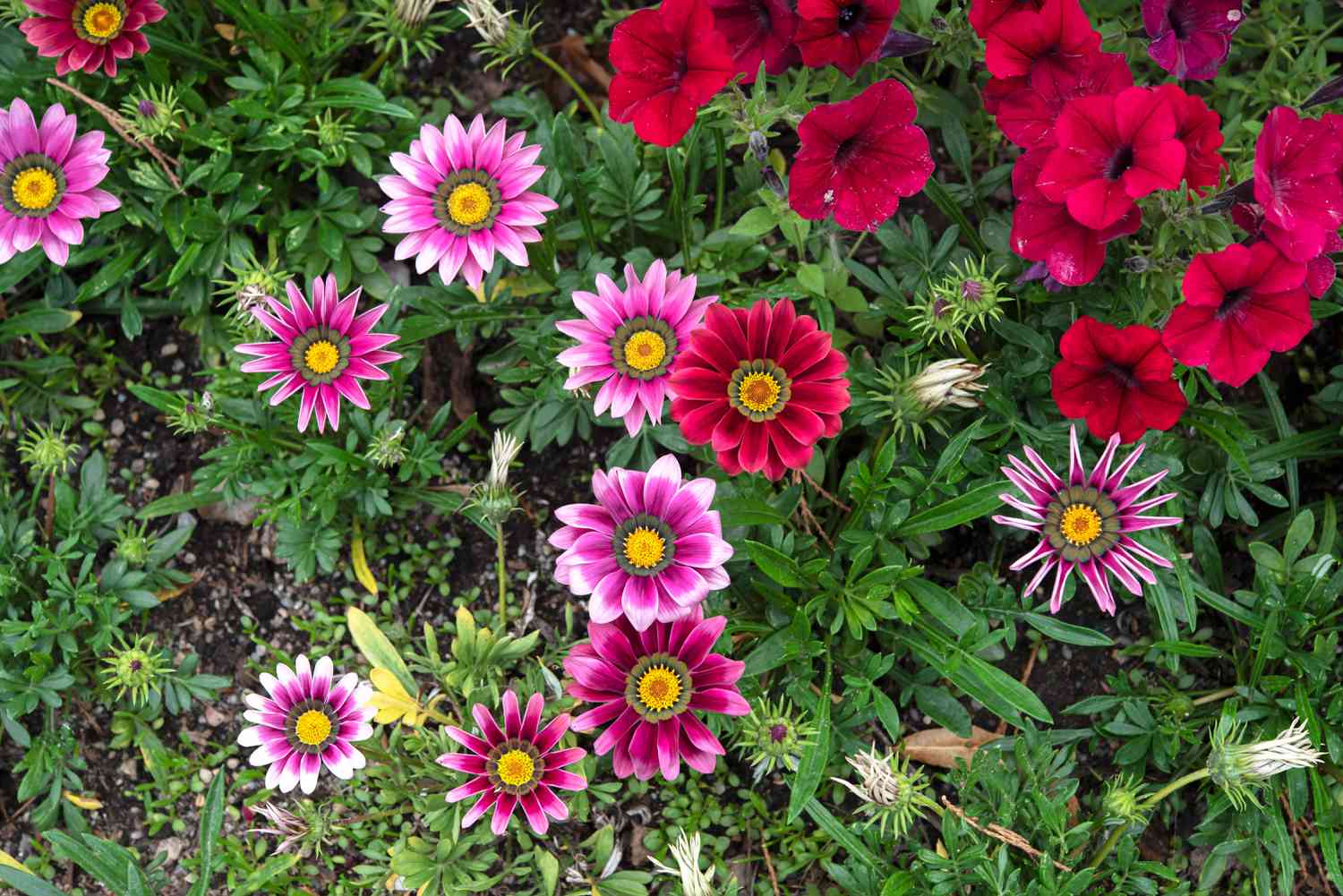
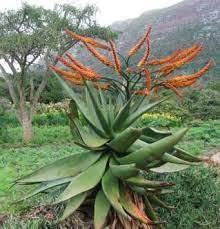
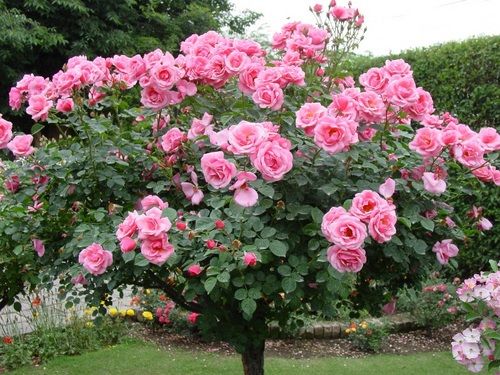
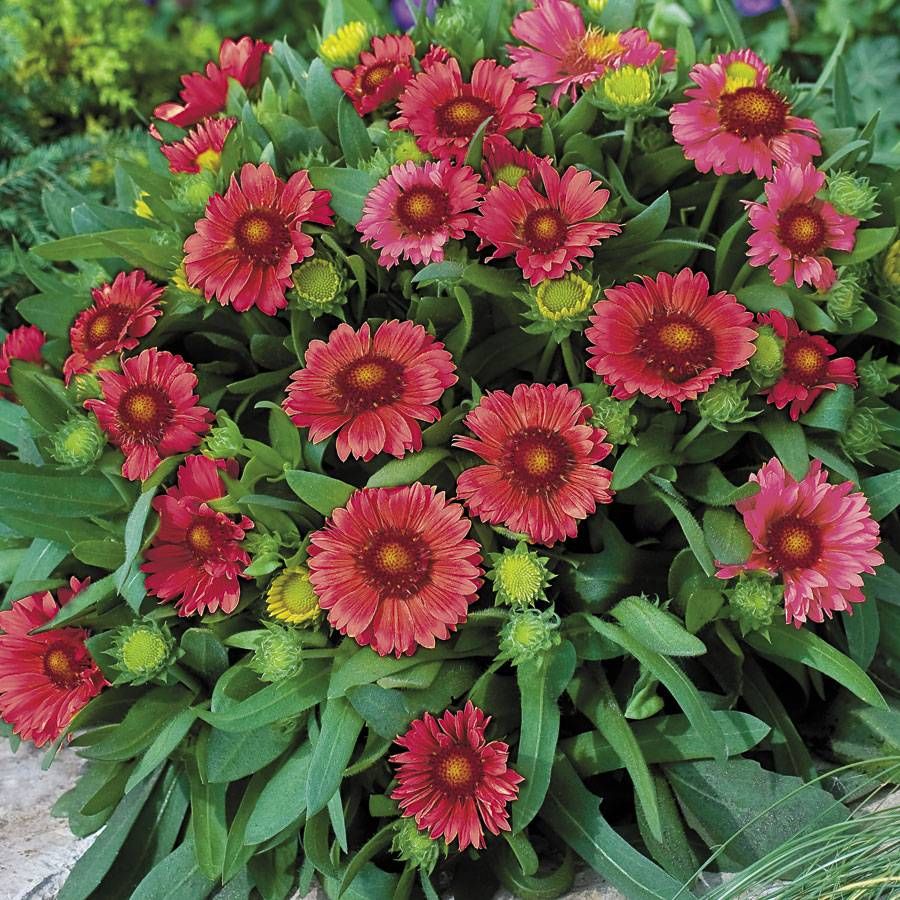
Clay soil, moisture-retentive but challenging to work with, can lead to water-logging nightmares. Despite being challenging when wet, it bakes into a rock-hard surface in the sun. However, clay soil boasts fertility, holding essential plant nutrients. Improving its workability involves adding substantial organic matter such as grass clippings and leaves. Raised beds emerge as the best option for a successful crop in clay soil. Roses, aloe, Gazanias, rudbekia, hostas, plumbago, heuchera, salvias, carissa macrocarpa, and miscanthus (ornamental grass) all thrive in clay soil, showcasing its potential.
Optimizing Your Garden with the Right Plants
While sandy and clay soils present challenges, each offers unique opportunities for a diverse and thriving garden. By understanding your soil type and implementing appropriate amendments, you can create an ideal environment for a variety of plants, ensuring a picturesque and productive garden.
In conclusion, selecting the right plants for your garden requires a thoughtful consideration of soil conditions. Whether dealing with sandy or clay soil, implementing suitable amendments and choosing plants adapted to these conditions will lead to a successful and vibrant garden.