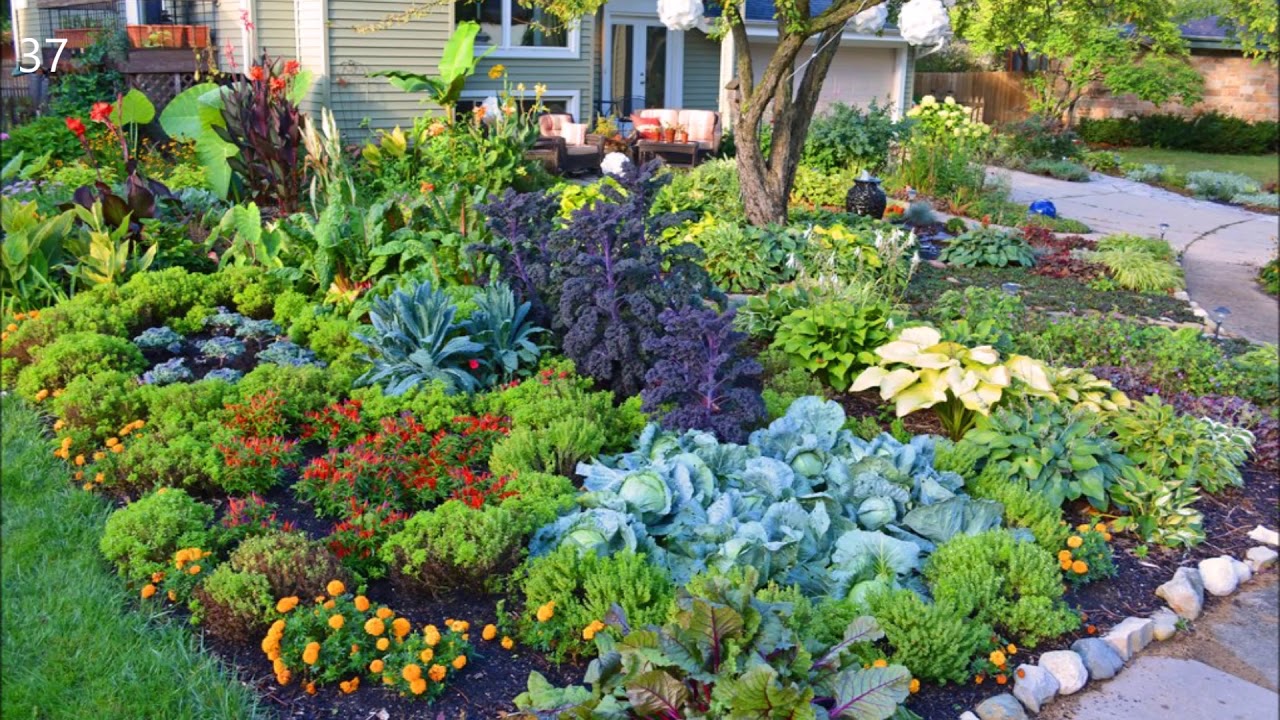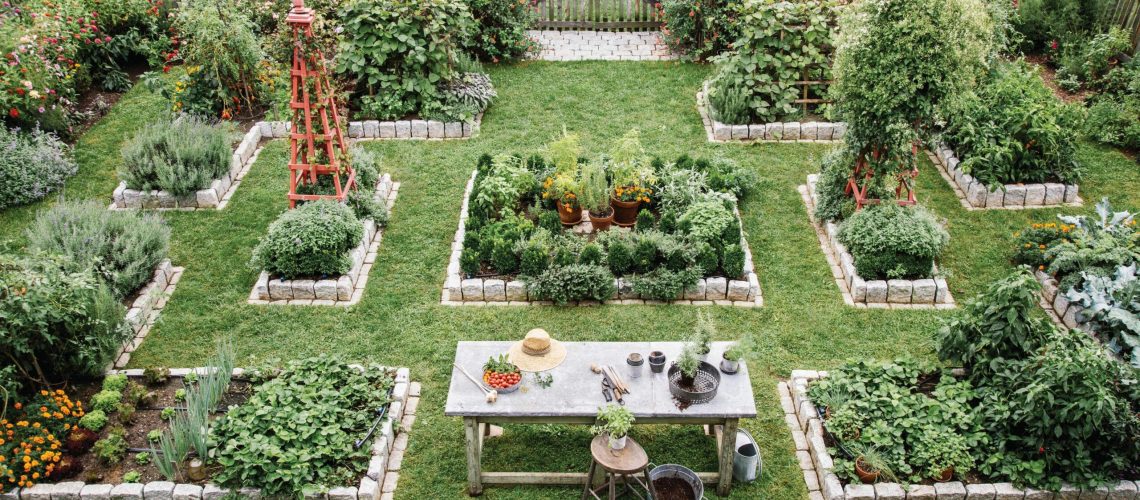

Potager gardening combines vegetables, herbs, and companion plants in a formal yet creative design. For success, choose a sunny, well-composted site near water. The layout typically features geometric raised beds, paths, and climbing plant supports. Diverse planting confuses pests and ensures manageable harvests, with colorful produce enhancing the garden’s charm. Herbs like chives, sage, and rosemary add flavor, while edible flowers and other ornamentals bring aesthetic appeal. A Potager garden blends beauty, functionality, and biodiversity, making it a rewarding endeavor for gardeners seeking both visual delight and abundant yields.

Introduction:
Potager gardening offers a delightful fusion of creativity, functionality, and aesthetics in your vegetable patch. This horticultural art form marries vegetables, herbs, companion plants, and cottage garden elements into a formal yet visually captivating design. In this article, we’ll explore the key components of Potager gardening, from site selection to plant choices, with an emphasis on its harmonious and productive aspects.
Potager Gardening Unveiled
The Ideal Location and Soil Conditions
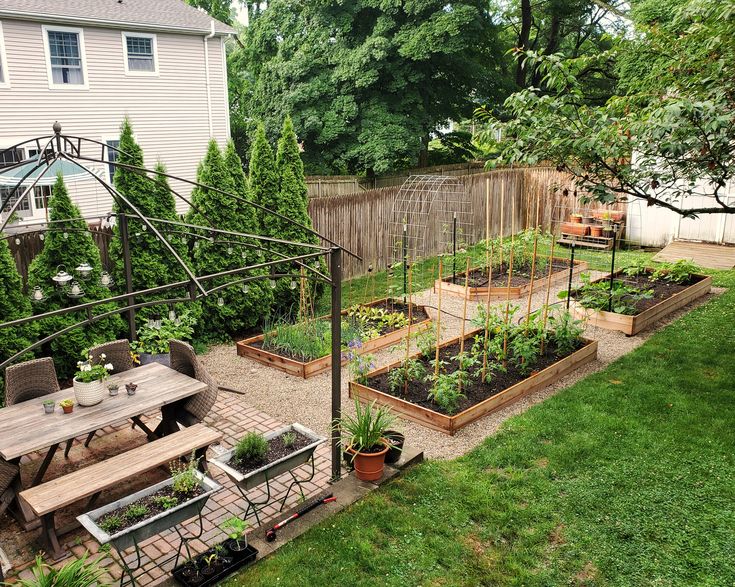
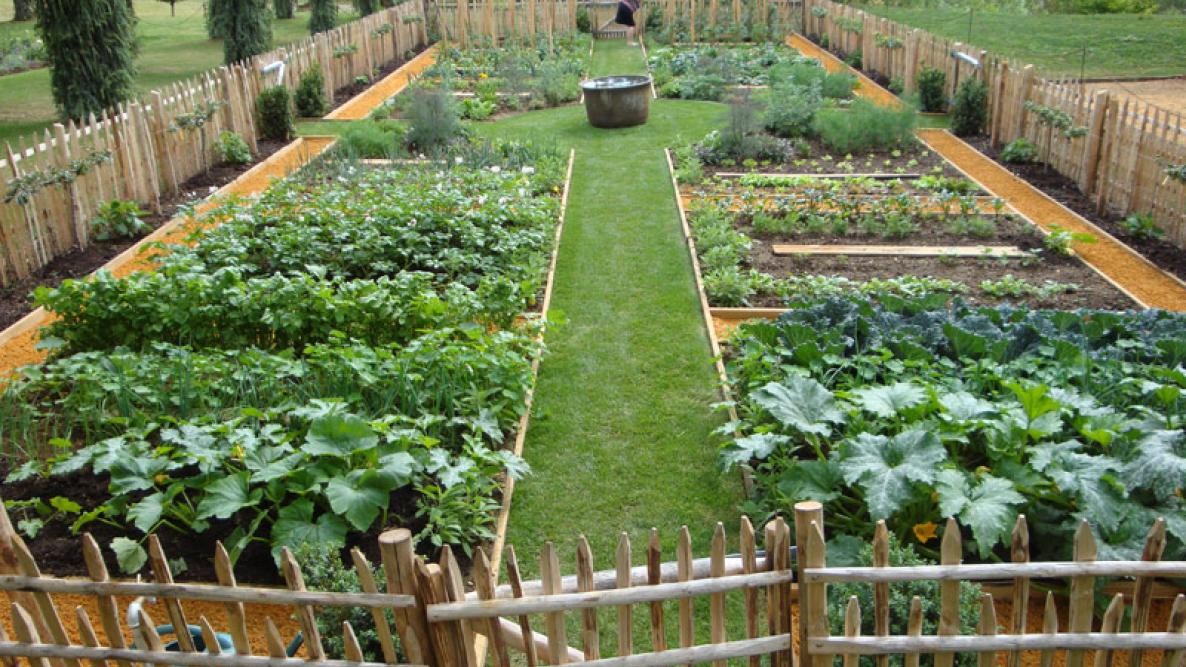
To cultivate a thriving Potager garden, the first step is selecting a suitable location. Opt for a level area that receives a minimum of five hours of sunlight daily, ideally situated near a water source. Equally vital is the quality of the soil – rich, well-composted, and free-draining soil sets the stage for robust growth.
Designing the Layout
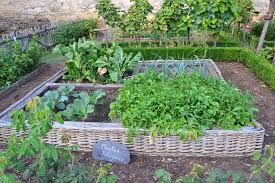
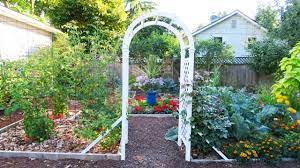
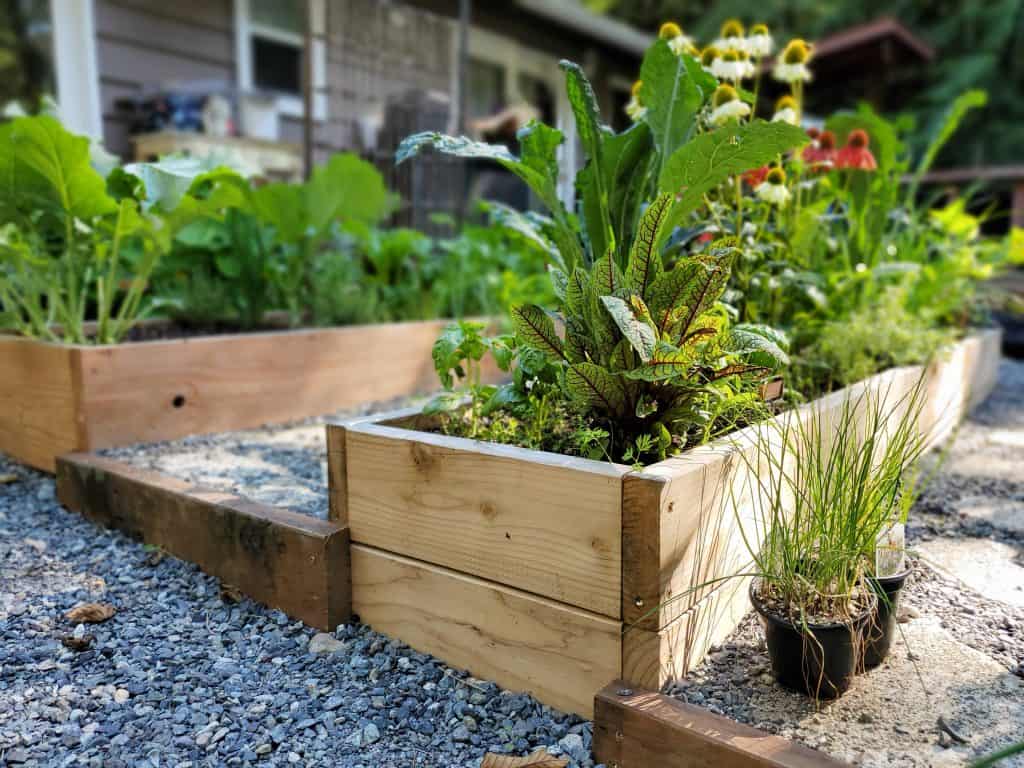
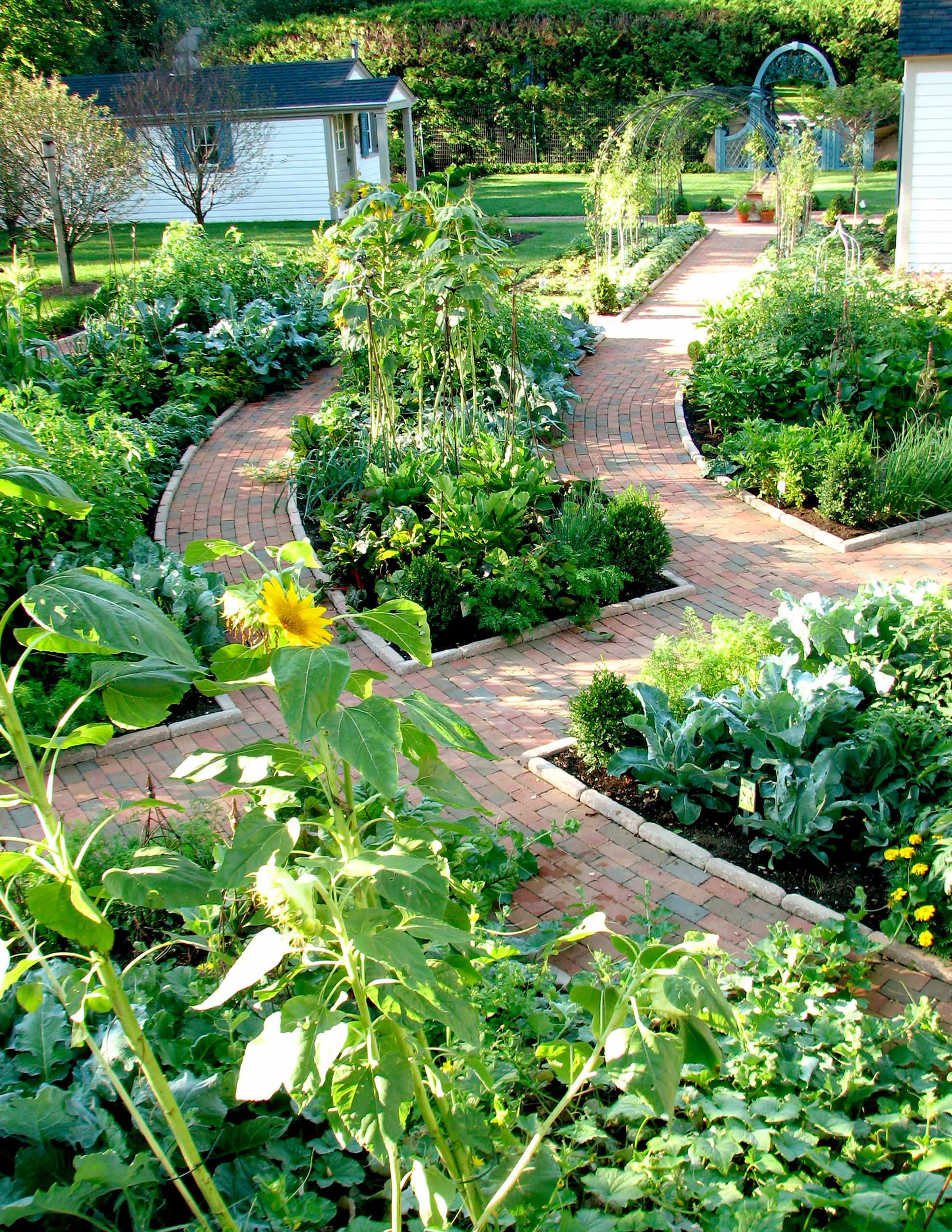
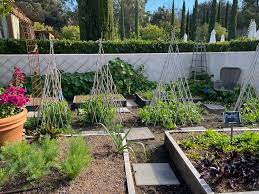
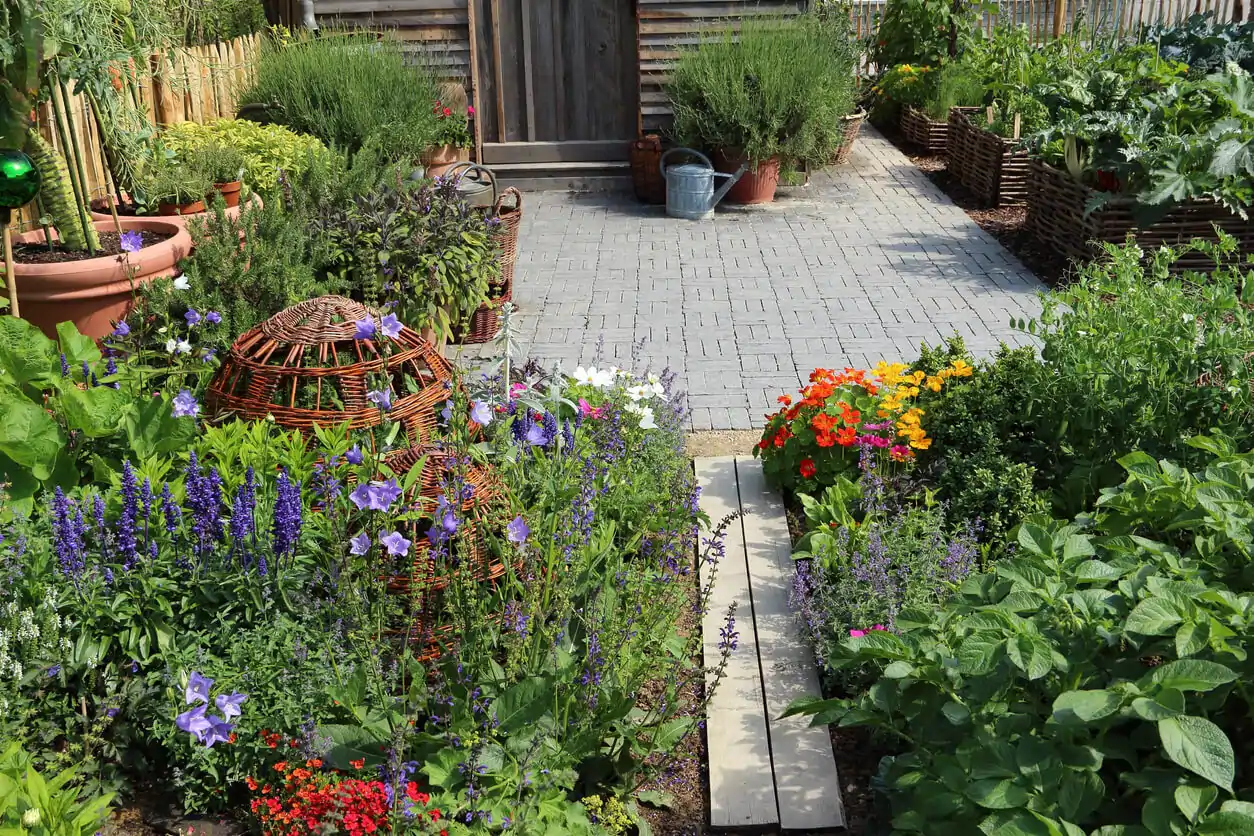
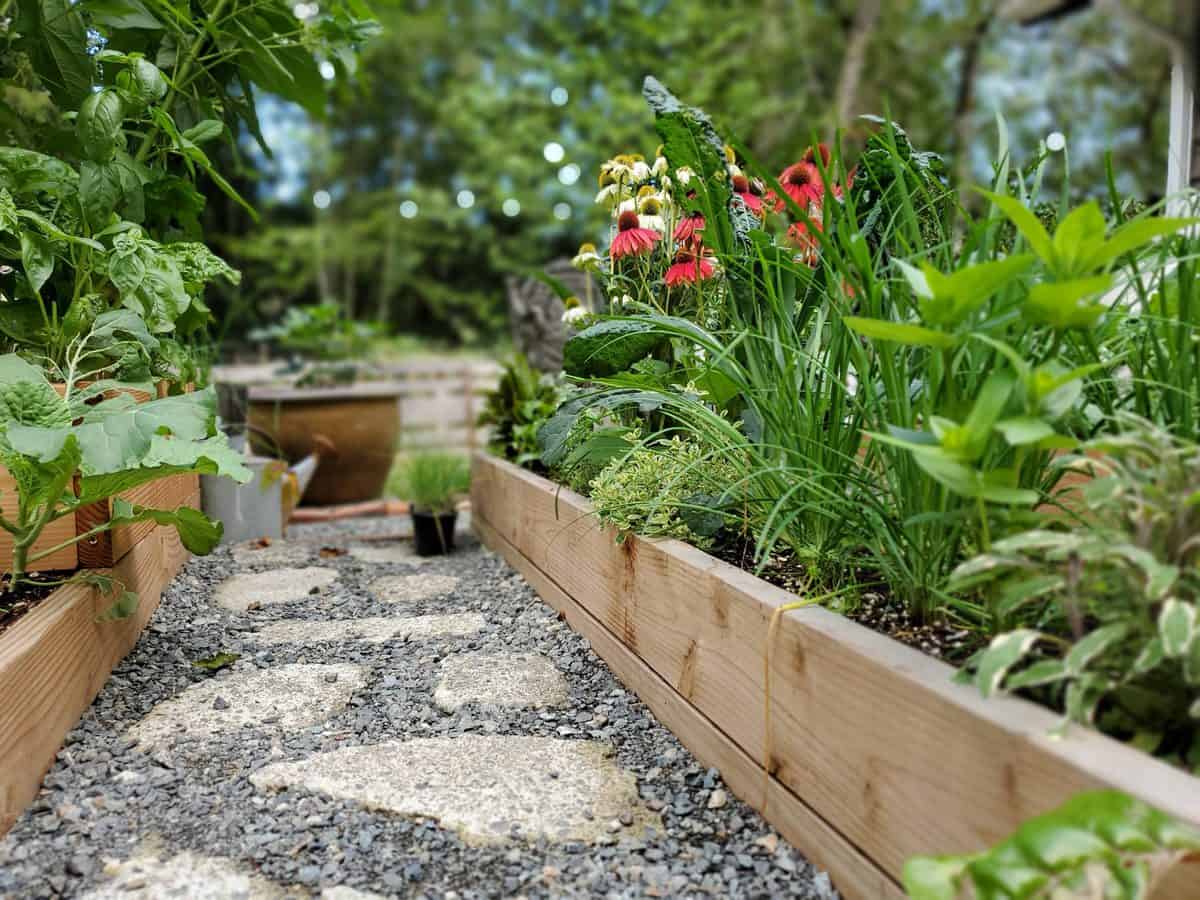
The hallmark of a Potager garden is its geometric design. Raised beds, often triangular or square, encircle a central focal point, which could be a charming water feature or a substantial pot. Paths leading to the center can consist of gravel, pavers, or bark and should be wide enough to facilitate easy maneuvering around the beds. Additionally, consider incorporating obelisks and wigwams within the beds to accommodate climbing plants.
Planting Diversity
One of the remarkable features of Potager gardening is its eclectic approach to planting. Here, there are no rules – fruit, vegetables, and herbs form the garden’s backbone, interplanted with species that beckon beneficial pollinators like bees and butterflies. This mixed planting style also confounds garden pests, offering a natural defense mechanism. Diversifying your plant selection results in manageable harvests, ensuring a continuous bounty rather than an overwhelming surplus.
Colorful Selections
To elevate the visual appeal of your Potager garden, opt for plants with vibrant leaves, colorful produce, and striking flowers. Runner beans, trained to ascend obelisks or wigwams, enchant with their red or white blooms, a bee-friendly spectacle. Climbing peas contribute to the garden’s allure. Carrots, beetroots, radishes, Swiss chard ‘Ruby,’ tomatoes, Brussels sprouts, lettuce, spinach, and strawberries introduce a splash of color through their foliage and flowers.
Herbaceous Charm
Herbs play a pivotal role in Potager gardening. Consider including chives, sage, parsley, borage, dill, rosemary, lemon thyme, golden oregano, and lemon balm. However, exercise caution with mint, confining it to a pot to prevent its enthusiastic spread. Tansy, on the other hand, serves as a ladybug magnet and should find a place in your garden to enhance its ecological balance.
Floral Accents
Incorporating edible flowers like nasturtiums, violas, and pansies alongside verbena, scabiosa, scented pelargoniums, daylilies, and lavender not only adds visual charm but also introduces a delightful culinary dimension to your garden.
Conclusion:
A Potager garden is a symphony of color, form, and flavor, where vegetables, herbs, and flowers harmoniously coexist. Its geometric layout, diverse planting, and strategic design elements not only elevate the aesthetics but also enhance the productivity and ecological vitality of your garden. By embracing this enchanting gardening style, you’ll soon be reaping the bountiful rewards of a captivating and abundant outdoor space. So, why wait? Embark on your Potager gardening journey and unlock the enchantment it brings to your home.