
During the months of July and August, pruning deciduous shrubs and trees while they are dormant is essential for strong, healthy growth and abundant blooms in the upcoming season. Evergreen shrubs can be pruned after flowering, and careful consideration should be given to ensure sharp and well-oiled tools are used to avoid damaging branches. Roses benefit from pruning to maintain their shape, while fruit trees like Peach, Plum, Apple, Pear, and Apricot should be pruned now for a bountiful harvest. Citrus trees require minimal radical pruning to remove diseased branches and improve light penetration.

Introduction: Pruning for Strong and Beautiful Shrubs and Trees
To ensure robust growth and abundant blooms in the upcoming season, July and August present the perfect opportunity for pruning deciduous shrubs and trees while they remain dormant. This timing not only supports healthy development but also reduces the risk of infection in the cut branches. However, for shrubs bearing berries, consider leaving some branches uncut, a gesture the birds will appreciate!
Pruning Evergreen Shrubs: Timing and Techniques
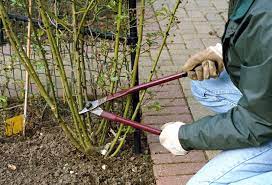
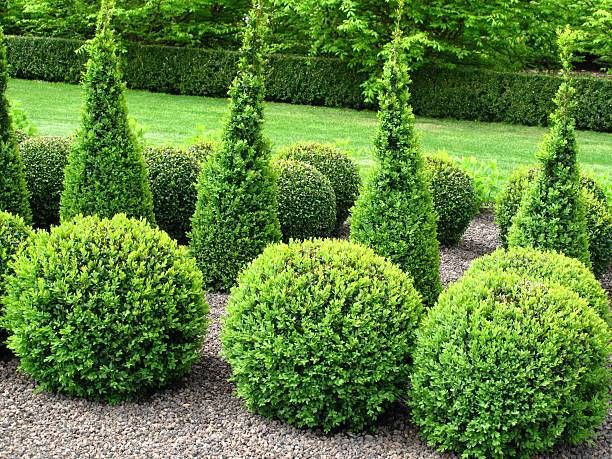
Evergreen shrubs can be pruned as needed, usually after their flowering period. For reshaping, it’s best to perform this task in spring. Before commencing any pruning, it is crucial to check that your secateurs, garden shears, or saws are sharp and well-oiled to prevent damaging the branches.
Step-by-Step Pruning Process
Begin by pruning a few branches and assessing the shape before proceeding further. Remember, once a branch is cut, it cannot be reattached. Prioritize the removal of diseased, damaged, and dead branches, along with any crossings that may cause rubbing. Cut away stems growing from larger branches and the trunk to allow ample light to reach new growth.
Special Considerations for Roses and Fruit Trees
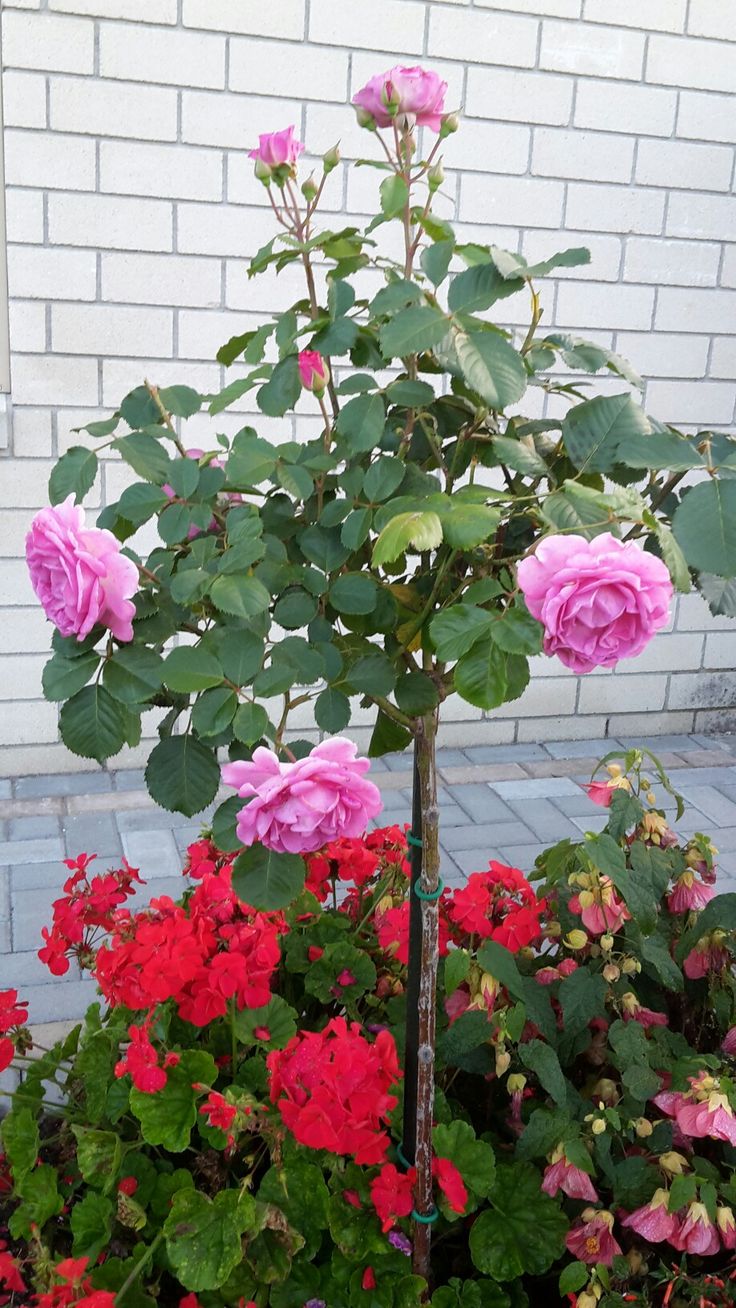
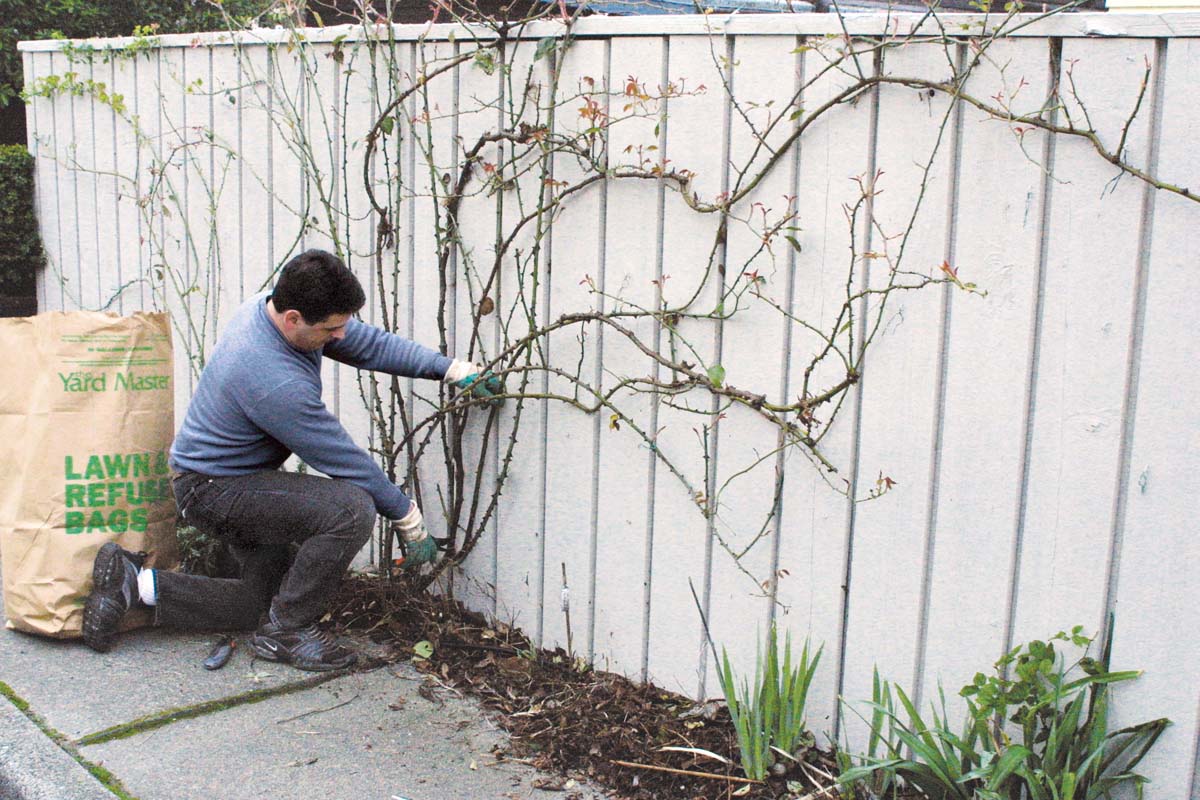
For bush roses, opt for hard pruning during late July and August. Eliminate any diseased wood and leaves while clearing fallen leaves from the plant’s base. Miniature and standard roses also benefit from pruning to maintain their height and shape. Climbing roses require thinning of old wood and aeration around all roses after pruning for improved airflow.
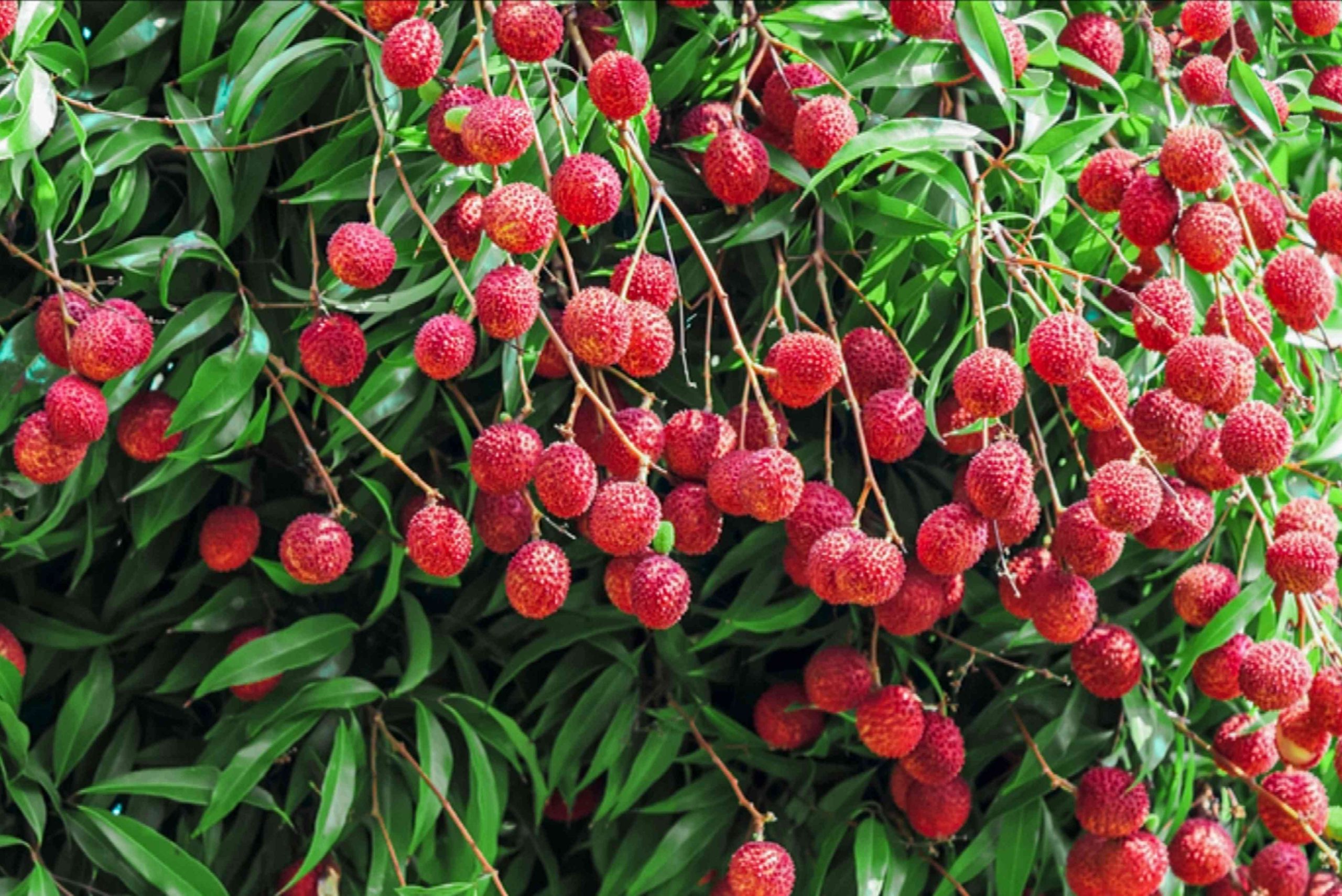
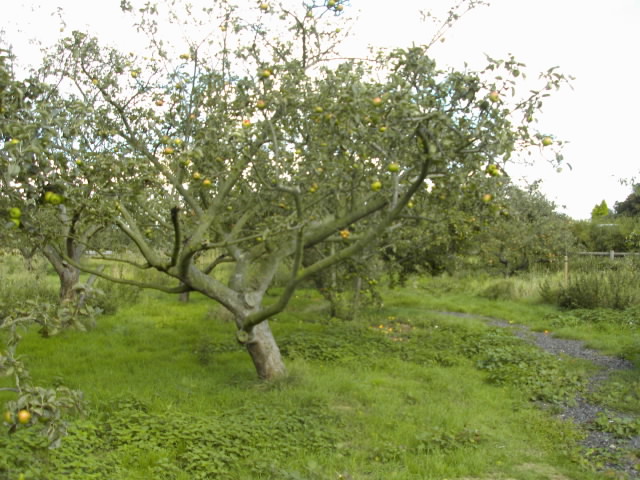
As for fruit trees, including Peach, Plum, Apple, Pear, and Apricot, pruning during this season guarantees a bountiful harvest. Citrus trees necessitate minimal radical pruning, focusing on removing diseased branches and thinning where necessary to allow more light into the tree.
Conclusion: Nurturing Your Garden with Careful Pruning
Pruning during July and August sets the stage for vibrant and healthy growth in your garden. By following proper techniques and timing, you can ensure your shrubs and trees thrive, rewarding you with a stunning display of blooms and a fruitful harvest. Remember to be mindful of the specific needs of each plant variety, and with sharp tools in hand, your garden will flourish with renewed vitality.