
This article provides organic pest control tips for gardens. Regular inspections and the use of strong-smelling plants like Wormwood, Yarrow, and Garlic help deter pests. Clever defense mechanisms such as beer traps and barriers made from scouring pads or pistachio shells can be effective. Controlling aphids can be done through water and soap sprays, while encouraging natural enemies like lacewings and ladybirds. Lastly, addressing red spider mites can be achieved with water sprays and garlic solutions. Overall, these methods offer natural alternatives to pesticides for maintaining a pest-free garden.
Introduction:
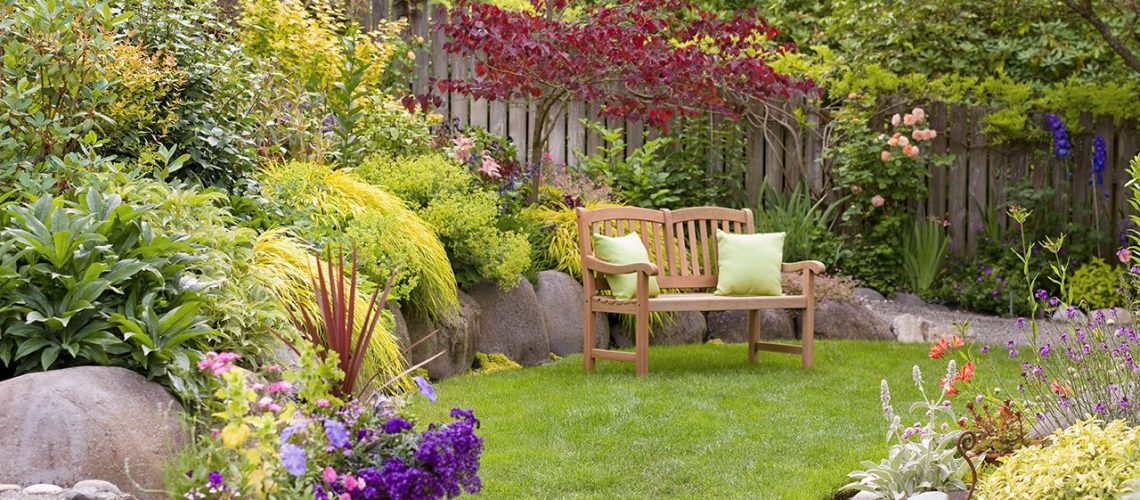
Maintaining a beautiful garden can be a challenge when pests decide to feast on your plants. As spring arrives, vulnerable seedlings, emerging shoots, and blooming flowers become an enticing buffet for unwelcome garden invaders. Fortunately, it is possible to control pest invasions without resorting to pesticides. By following organic methods, you can strike a balance that protects your plants while preserving the ecosystem. In fact, some nuisance pests even serve as food for beneficial insects. This article provides valuable tips and techniques to help you keep pests at bay, naturally.
Regular Inspections:
To effectively manage pests in your garden, conduct regular checks around the area, paying close attention to the undersides of leaves and emerging shoots. By detecting problems early on, you can prevent infestations from worsening.
Using Wormwood:
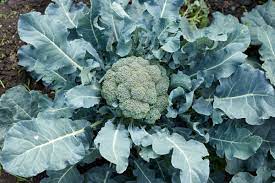
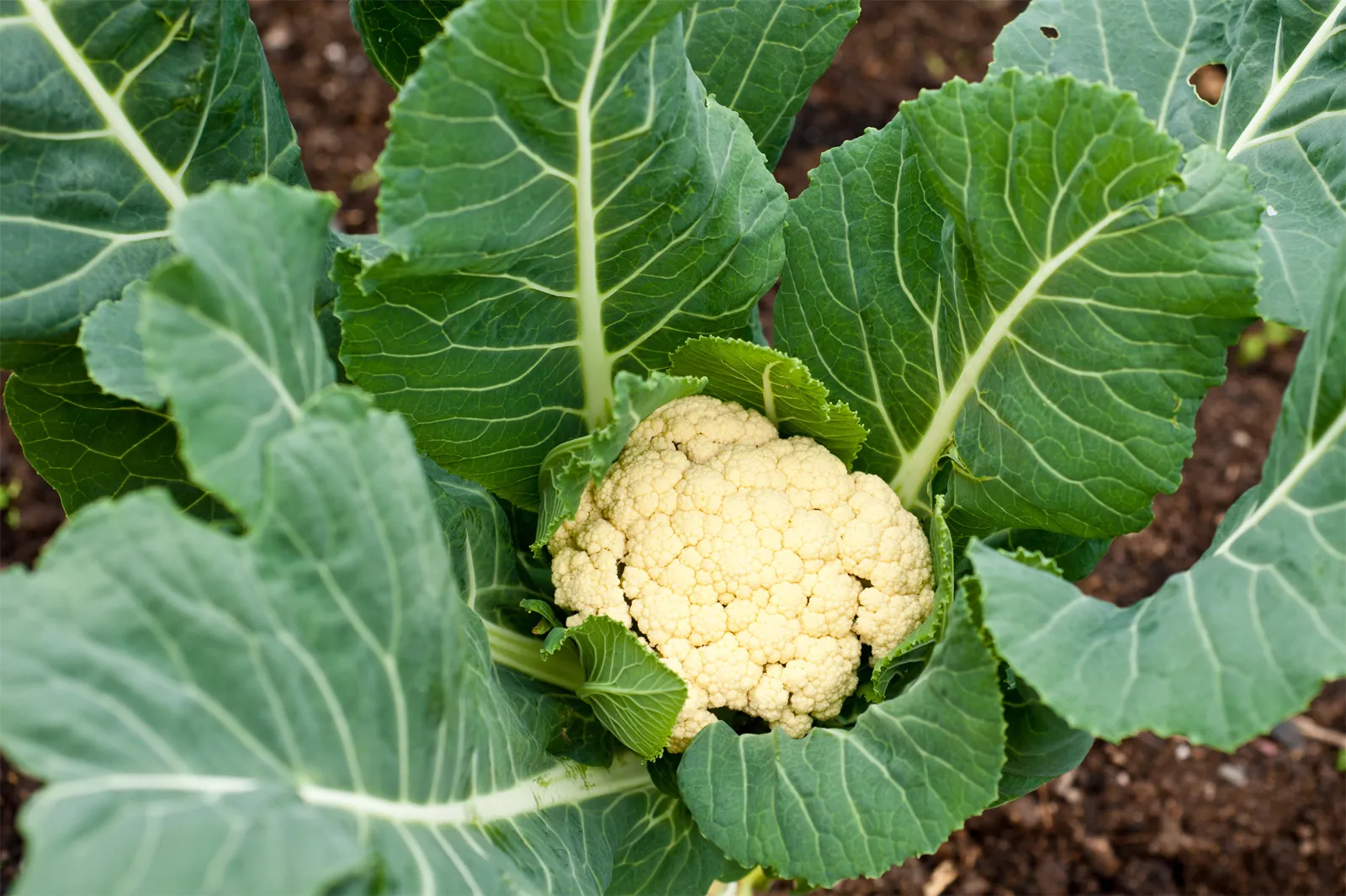
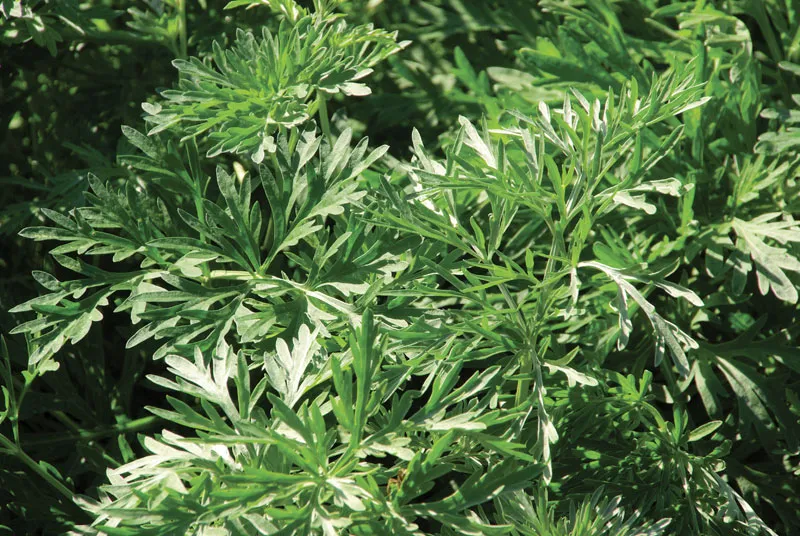
The leaves of the Wormwood plant (Artisima) emit a strong smell that bugs detest. Utilize these leaves by placing them around vulnerable seedlings, especially vegetables like cabbage, cauliflower, and broccoli. This will help repel leaf-eating caterpillars. Crushed leaves can be diluted in water and used as a spray to deter snails, slugs, spider mites, and mealybugs.
Harnessing the Power of Strong-Smelling Plants:
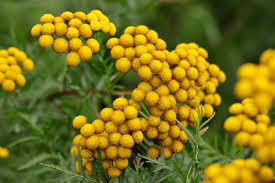
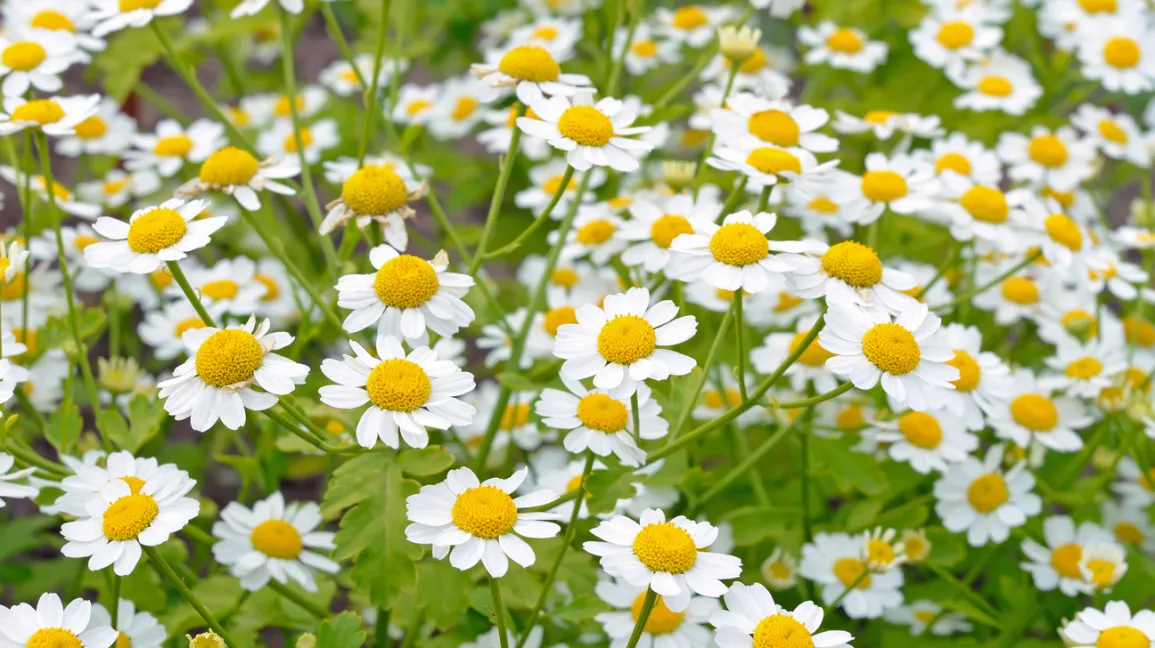
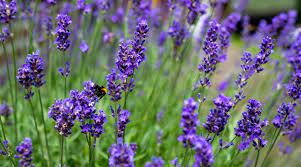
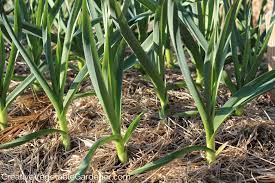
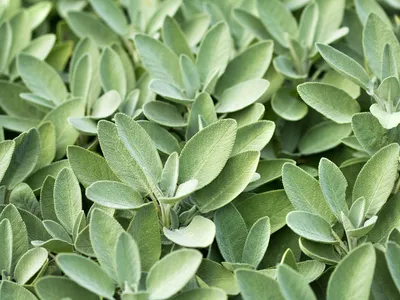
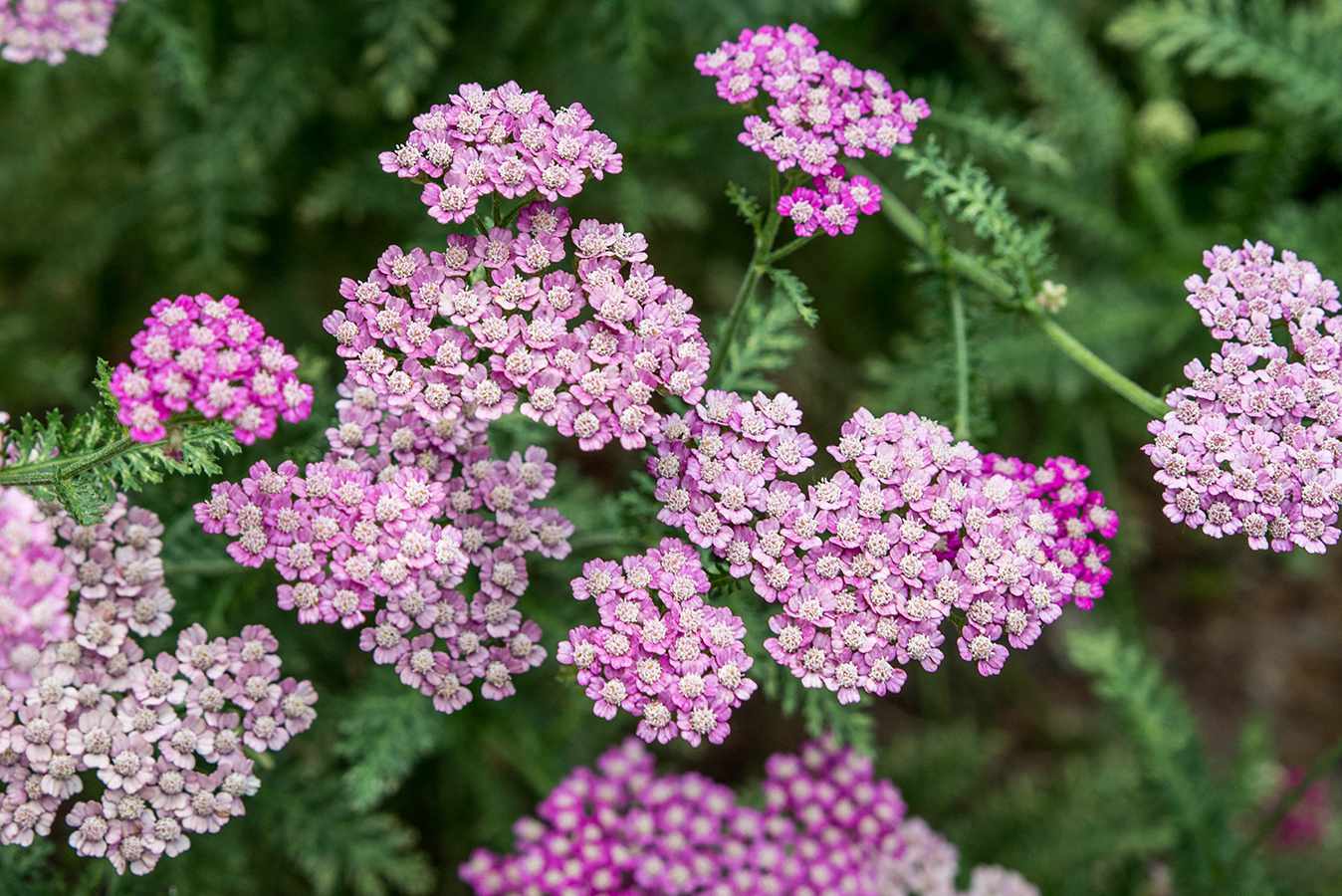
Several other plants with strong aromas can act as natural deterrents. Yarrow, Sage, Garlic, Lavender, Feverfew, Rue, and Tansy are excellent choices for planting around your garden and among your vegetables. The intense scents they emit discourage pests from approaching.
Garlic Spray:
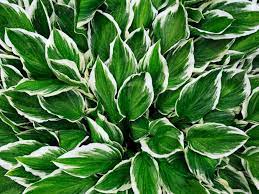
Garlic spray is invaluable for protecting lush green leaves, such as those of Hostas, as snails despise the smell. To create the spray, boil three cloves of garlic in water, strain the liquid, and dilute it in a spray bottle.
Clever Defense Mechanisms:
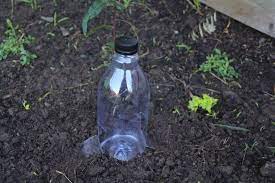
Implement clever defense mechanisms to keep pests away. Beer traps, sunk into the ground and filled with beer, will entice snails away from your plants. Scrunched-up scouring pads, plastic bottle collars around developing plants, or discarded pistachio shells can serve as effective barriers.
Aphid Control:
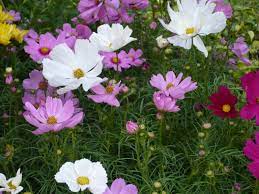
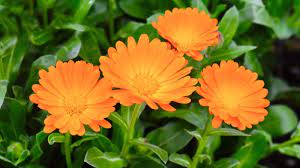
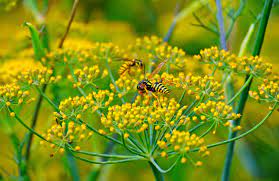
Aphids can rapidly multiply, posing a threat to your plants. Combat them by preparing a spray of water with a squeeze of washing up liquid. This solution, when applied to infested areas, will dispatch aphids. For small infestations, squish the pests with your fingers. To encourage natural enemies, consider growing Fennel, Calendula, and Cosmos, which attract lacewings and ladybirds.
Dealing with Red Spider Mites:
Red spider mites spin webs under leaves and suck plant juices. To eliminate them, spray water on the undersides of leaves to dislodge the pests. Additionally, the garlic spray mentioned earlier can also be effective against red spider mites.
Conclusion:
Protecting your garden from pests organically is not only effective but also environmentally friendly. By implementing regular inspections, utilizing natural repellents, and encouraging beneficial insects, you can keep your garden healthy and pest-free. Remember, striking a balance in your garden ecosystem is key, as some nuisance pests serve as a food source for beneficial creatures. With these tips and techniques, you can enjoy the beauty of your garden while respecting nature’s delicate balance.