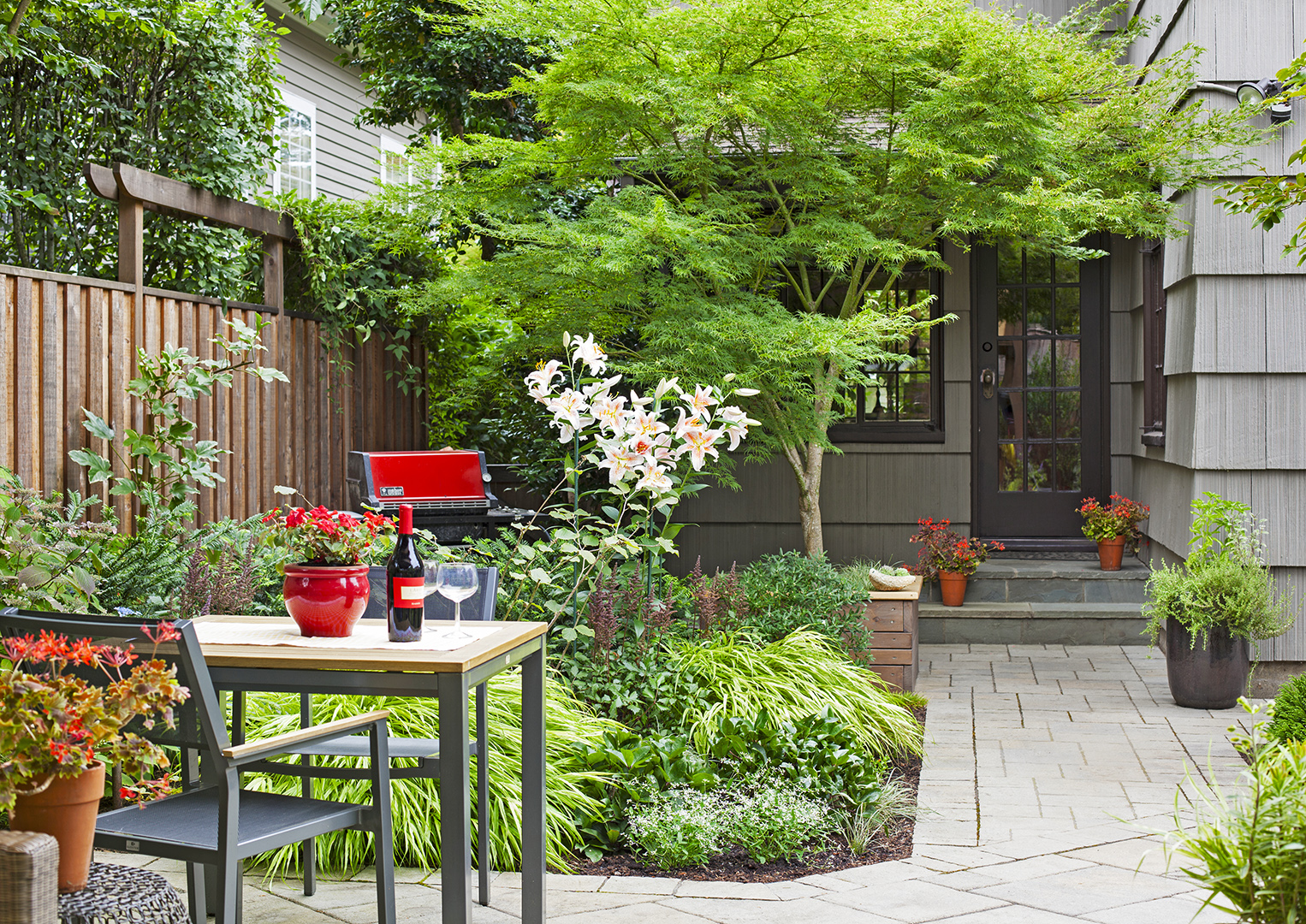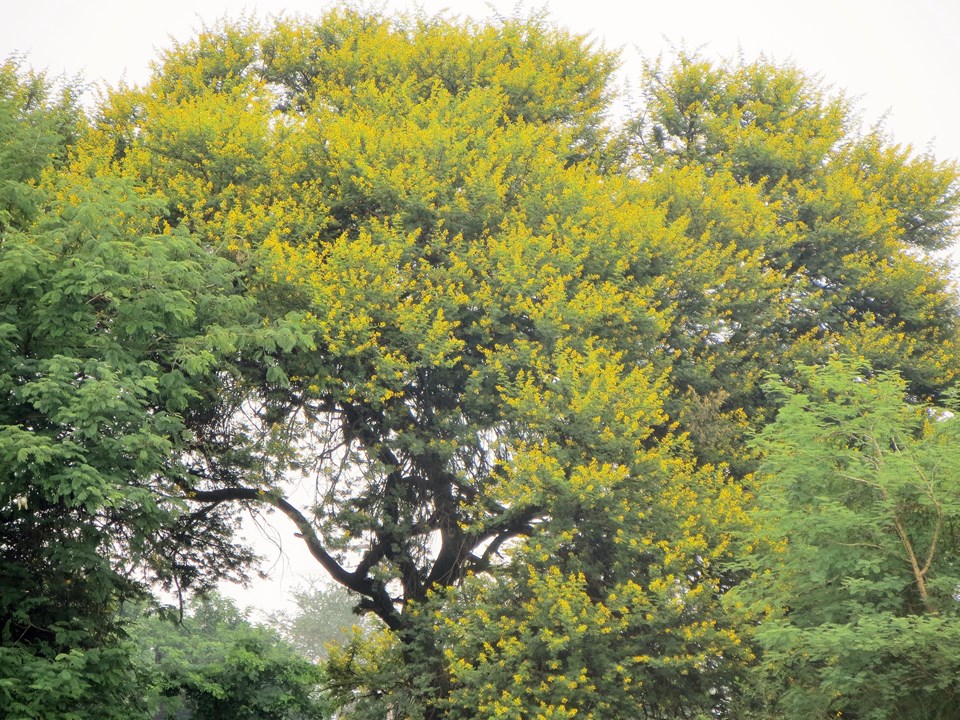

Discover the myriad benefits of incorporating trees into your garden. From enhancing its beauty and attracting wildlife to promoting well-being, trees are an integral part of any outdoor space. Explore a variety of tree options suitable for different garden sizes and embrace the wonders they bring.

Introduction:
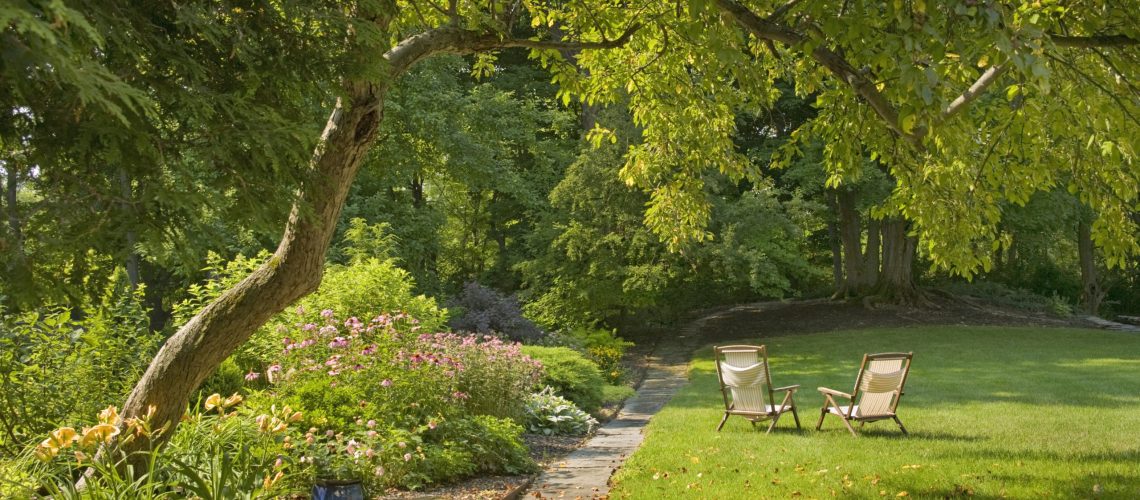
Trees are not only aesthetically pleasing elements in a garden, but they also bring numerous benefits to both wildlife and the environment. Moreover, trees have a positive impact on health and well-being. Regardless of the garden’s size, it is advisable to have at least one tree, as there is a wide variety of shapes and sizes to suit any plot. Planting trees during their dormant periods, such as March/April or August/September, is ideal for successful growth and establishment. However, it’s crucial to consider the eventual height and spread of the trees, as large trees in small gardens can pose challenges despite their initial appeal.
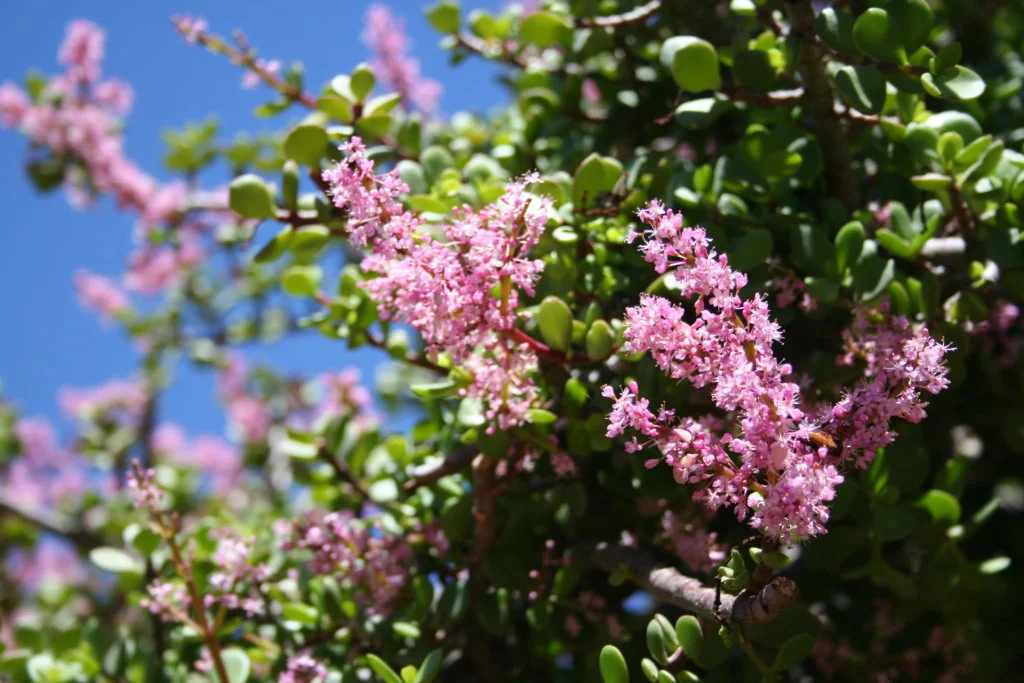
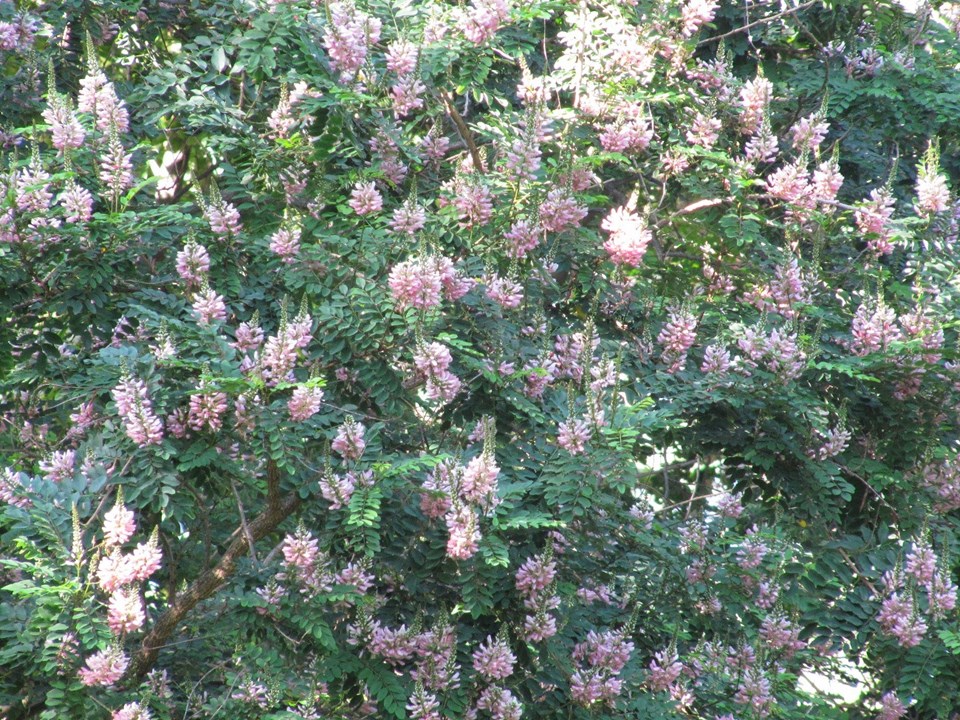
River Indigo (Indigofera Jacunda):
The semi-deciduous River Indigo tree is an excellent choice for very small gardens. It boasts attractive pink and white flowers that attract wildlife. Regular pruning helps maintain its shape and size, making it a manageable and delightful addition to the garden.
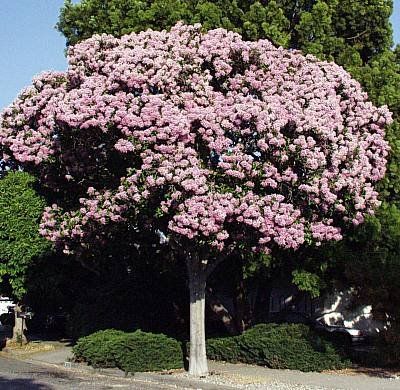
PomPom Tree (Dias Cotinifolia):
The popular indigenous PomPom tree is known for its stunning display of pink flowers. It can reach a height of 6 to 8 meters, making it suitable for small to medium-sized gardens. The tree’s vibrant blossoms add a touch of beauty and elegance to any outdoor space.
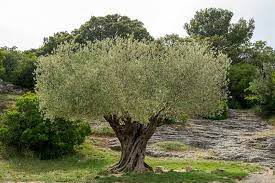
Olive Tree (Olea Europaea):
For a low-maintenance and drought-resistant evergreen tree, the Olive tree is an ideal choice. Its presence brings a Mediterranean ambiance to the garden while requiring minimal attention. The Olive tree is a symbol of peace and longevity, making it a meaningful addition to the outdoor environment.
Pittosporum and Dogwood Trees:
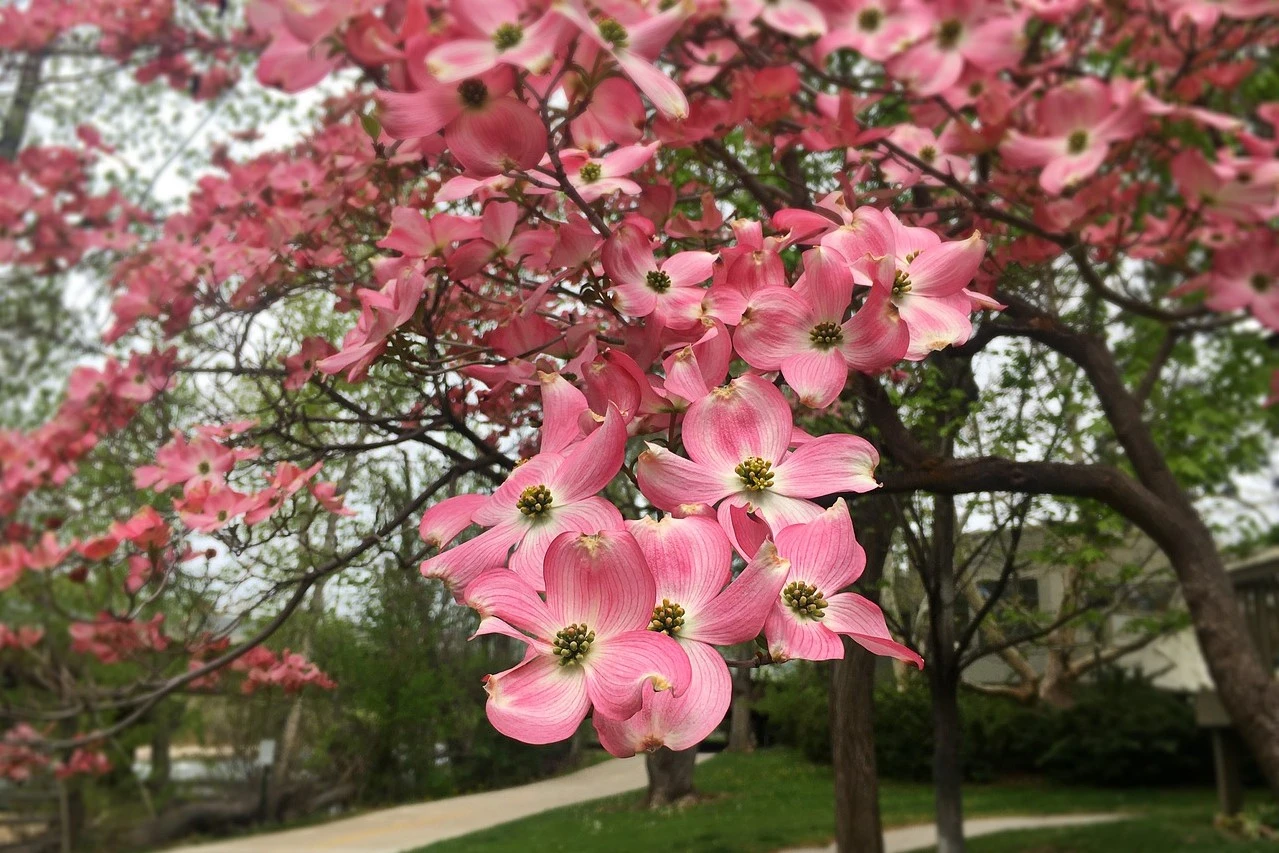
If you desire a medium-sized indigenous evergreen tree with yellow edible berries that attract birds, the Pittosporum is an excellent option. Its glossy foliage and blooming period from November to January make it visually appealing. Similarly, the Dogwood tree, with its attractive flowers, provides a food source for birds and contributes to a vibrant garden ecosystem.
Other Indigenous and Drought-tolerant Trees:
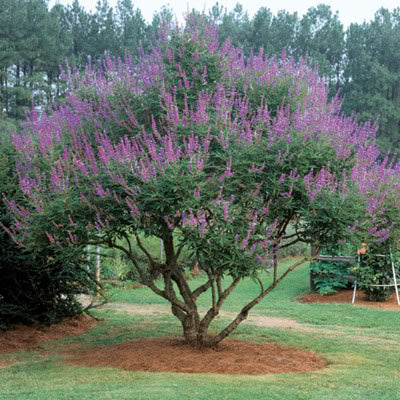
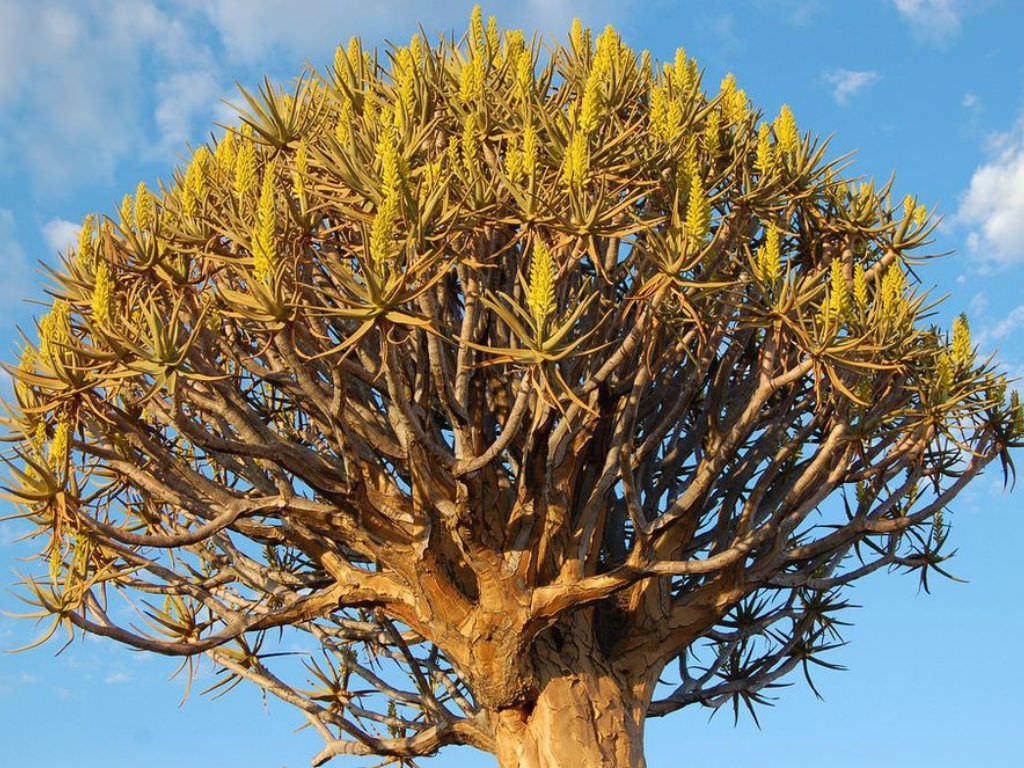
Consider the Tree Fuschia, Quiver Tree, Lavender Tree, Spekboom, Sweet Thorn, and Cork Bush for small to medium-sized gardens. These indigenous trees offer drought resistance and unique features, such as edible berries, aromatic foliage, and striking bark. They contribute to the overall beauty and diversity of the garden, attracting birds and supporting local ecosystems.
Conclusion:
By carefully selecting a suitable tree for your garden, you can create a captivating and enduring feature that brings beauty and natural benefits for many years to come. Whether it’s providing shade, attracting wildlife, adding fragrance and color, or contributing to overall well-being, trees are an essential component of a thriving garden.