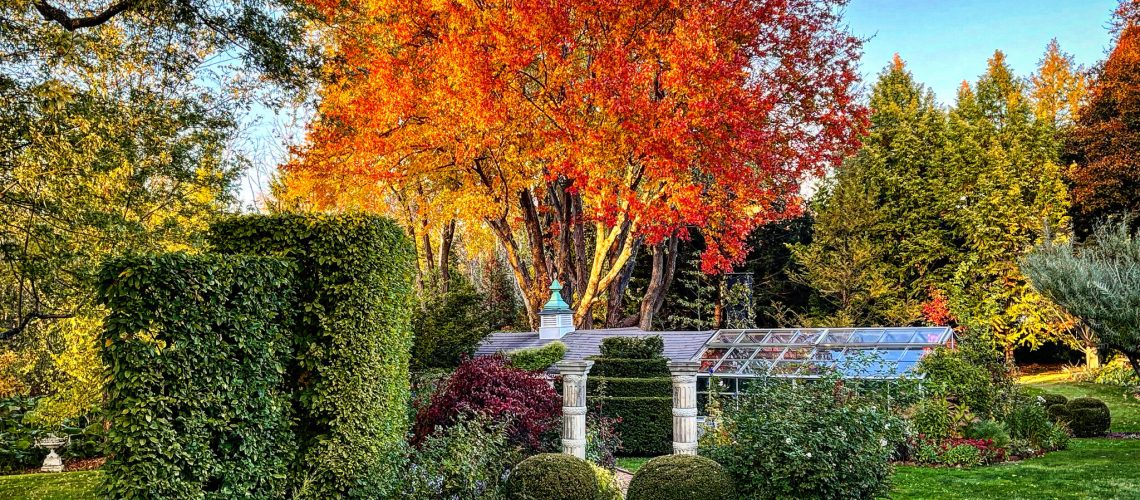

As the seasons change and temperatures drop, it’s time to prepare your garden for the autumn season. With the help of these gardening tips, you can keep your garden healthy and thriving all year long.


Preparing the Soil and Planting Winter Flowers
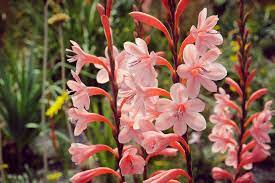
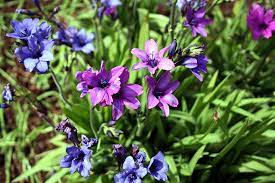
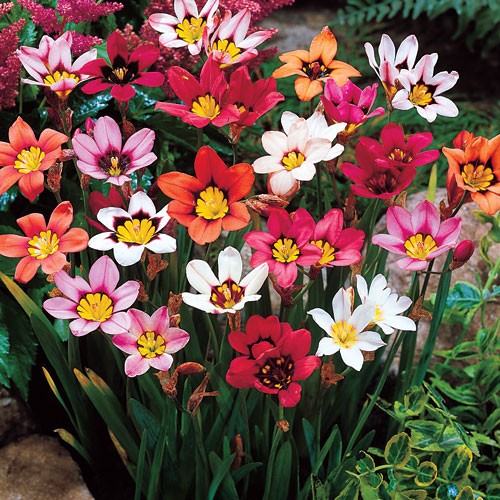
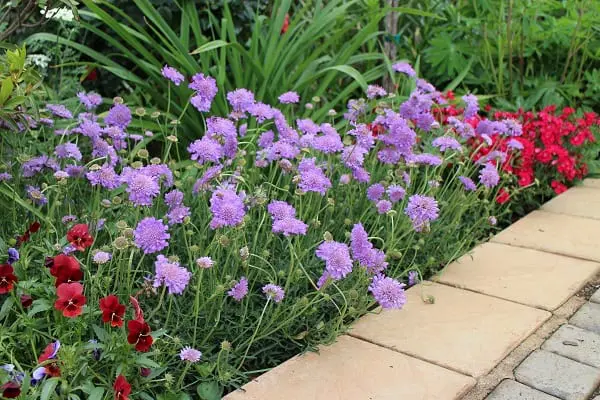
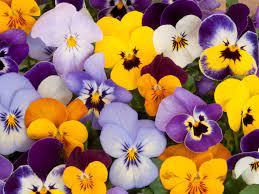
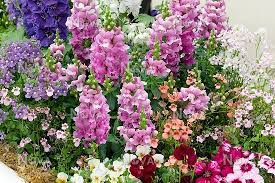
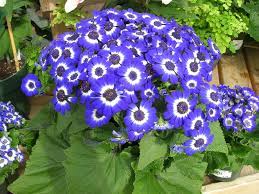
As summer bedding fades away, it’s time to prepare the soil for winter flowers. Remove any diseased or pest-infested plants and enrich the soil with well-rotted manure or compost. You can also plant winter-flowering seedlings like Cinerarias, Delphiniums, Nemesias, Pansies, and Scabiosa. Spring-flowering indigenous bulbs planted now, such as Sparaxia, Babianas, Watsonia Tritonia, Ixias, Anemones, and Rananculi will add some color to your garden in the spring.
Cutting Back and Pruning Perennials and Shrubs
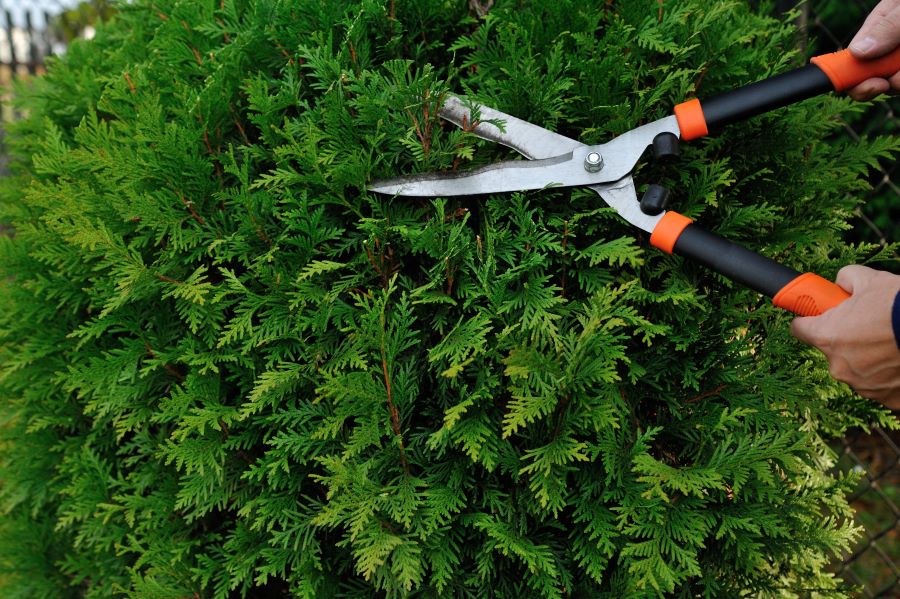
Deadhead and cut back perennials that are past their prime and split overcrowded plants like Gaura and Phlox. Prune evergreen hedges, summer-flowering shrubs, and overgrown climbers to keep them in shape and encourage strong growth next spring. Early autumn is also an ideal time for transplanting evergreen shrubs and trees that need a new position.
Planting Winter Vegetables
Autumn is the perfect time to plant winter vegetables like Broccoli, Peas, Cabbage, Broad Beans, Beetroot, Carrots, Brussel Sprouts, Onions, and Rocket. Prepare the vegetable plot by adding plenty of compost and organic fertiliser.
Gathering Fallen Leaves for Compost
Collect any fallen leaves and add them to your compost heap, or store them in large plastic bags with drainage holes. Sprinkle with water and leave to decompose for a few months, and you’ll have a rich mulch full of nutrients to use in your garden.