
Indoor plants have become increasingly popular in recent years, not just for their aesthetic appeal, but also for their health benefits. They not only add a touch of style and character to your home but also purify the air, creating a feeling of calmness and tranquility. However, as the winter season approaches, the care and maintenance of houseplants require special attention to ensure they remain healthy and lush. With the right care, your indoor plants can thrive all year round, adding freshness and vibrancy to your living space. In this article, we’ll explore some tips to help you care for your indoor plants during the winter season.


Indoor Plant Care During Winter: Tips for Keeping Your Plants Healthy
Indoor plants are an excellent addition to any home, bringing life, color, and personality to your living space. Besides their aesthetic value, they also help purify the air around them, creating a feeling of calmness. However, as winter approaches, houseplant care needs to be adjusted to keep them healthy and lush. Here are some tips to help you take care of your plants during the winter season.
Watering
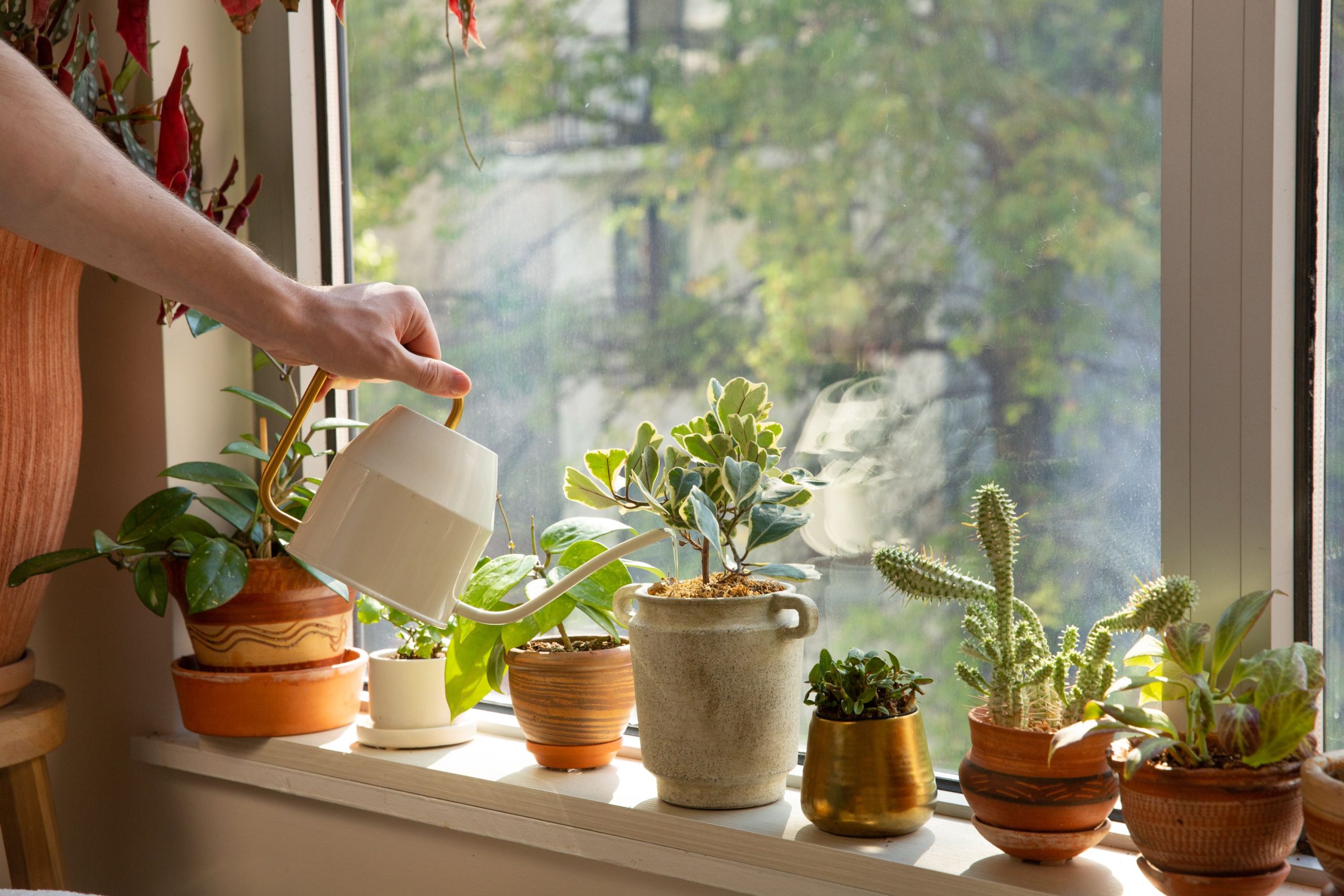
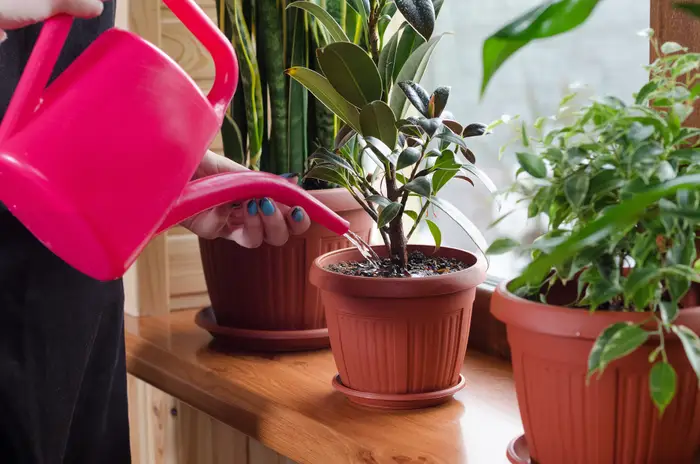
Overwatering or forgetting to water your houseplants is a common problem during winter. Since most houseplants become dormant during this season, they require less water. However, you should not let them dry out completely. To check if your plant needs water, touch the surface of the compost with your finger. If it feels dry, give it a small drink of tepid warm water, just enough to moisten the soil, taking care not to overwater.
Light
All houseplants require some natural light, but they should not be exposed to direct sunlight. Some plants thrive in the humid atmosphere of a bathroom, so consider moving them there. Avoid exposing your indoor plants to draughts or cold air.
Humidity
During winter, indoor heating can dry out the air in your home, affecting the health of your plants. To increase humidity around them, give them an occasional misting with lukewarm water.
Foliage
Indoor plants breathe through their leaves, and dust particles tend to settle on the foliage, suffocating the plant. To keep your plants healthy, gently wipe their leaves with a damp tissue.
Fertilizing
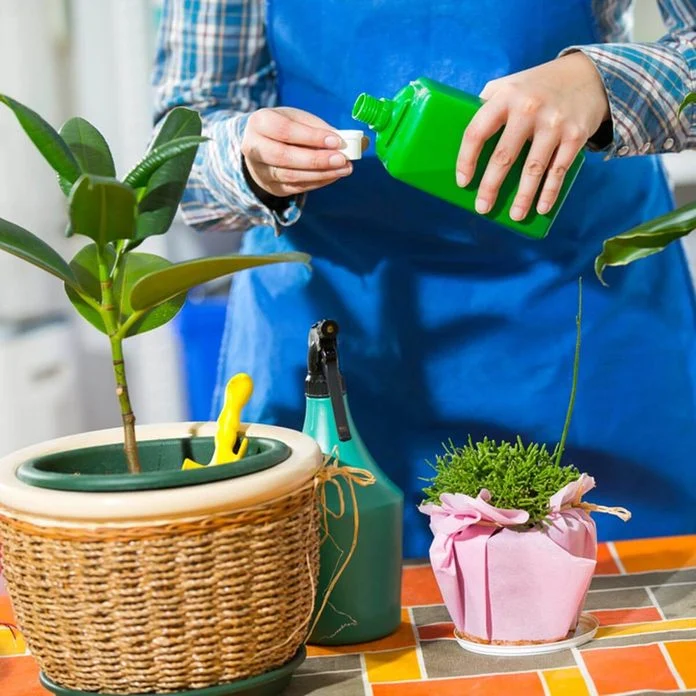
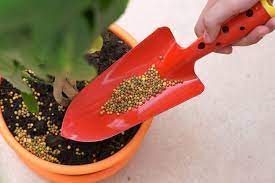
During winter, plants become dormant, but they still require nutrients in the compost. Therefore, add a significantly reduced amount of fertilizer to your houseplants.
Pruning
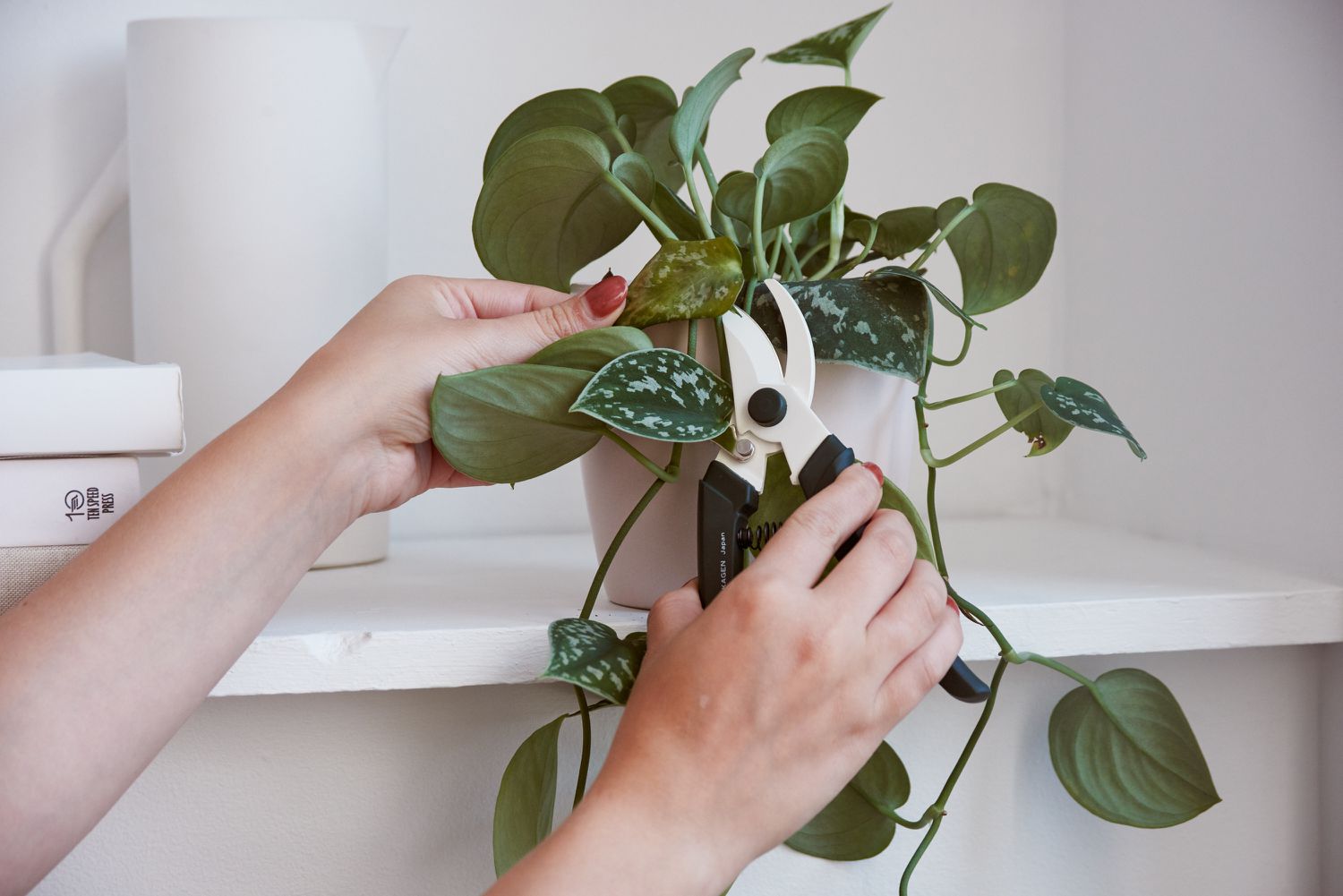
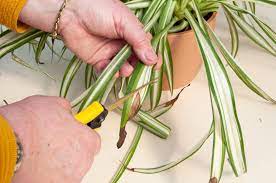
Late winter is an excellent time to prune your houseplants. This encourages new growth in spring. Remove any dead leaves, stems, or overgrown foliage.
Pests
Red spider mites are common pests that can damage your indoor plants. Keep checking your plants regularly to identify any infestations and take appropriate measures to control them.
In conclusion, with these simple tips, you can keep your indoor plants healthy and vibrant during the winter season.