
If you are looking to grow your own vegetables and enjoy the benefits of fresh, home-grown produce, then February is the perfect time to start planning and preparing your garden for the upcoming Autumn season. While temperatures may still be high, taking the time to prepare your garden in advance can help ensure that you have a bountiful supply of delicious, healthy vegetables to enjoy throughout the winter months. In this article, we will provide you with some tips on how to plan, prepare, and plant your vegetable garden in February. From choosing the right spot for your garden to companion plants and natural pest control, we’ll cover everything you need to know to create a successful and thriving vegetable garden.
The Vegetable Garden in February: Planning, Preparing, and Planting
February is the perfect time to plan and prepare your vegetable garden for the coming Autumn season. By starting early, you can ensure a bountiful harvest of healthy and delicious home-grown produce for the winter months. In this article, we will discuss some tips on how to prepare and plant your vegetable garden in February.
Choosing the Right Spot for Your Garden
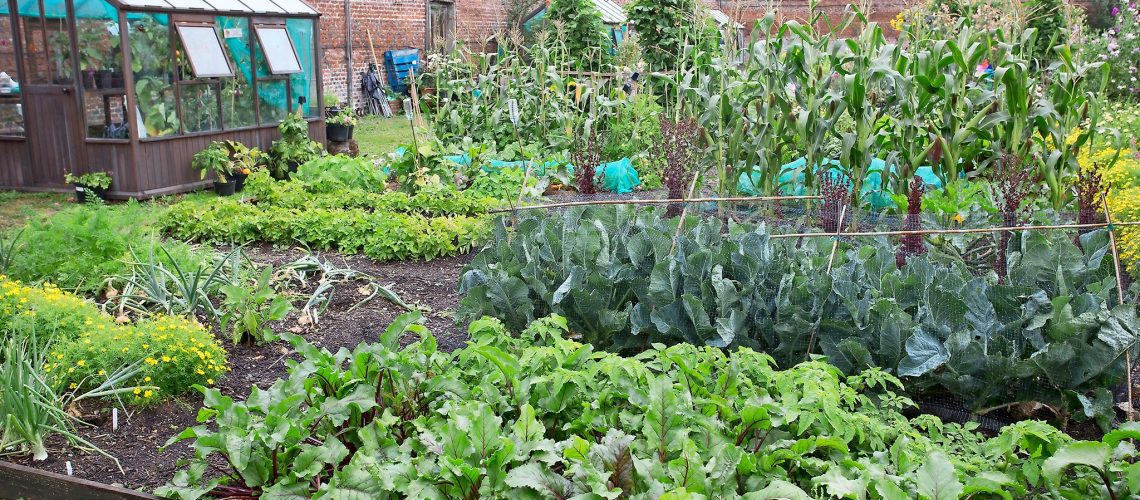
If you are planning a new vegetable plot, it is important to choose an area that receives at least 4 hours of sunlight a day and is within easy access to a water source. These factors are essential for the healthy growth of your veggies.
Preparing Your Garden
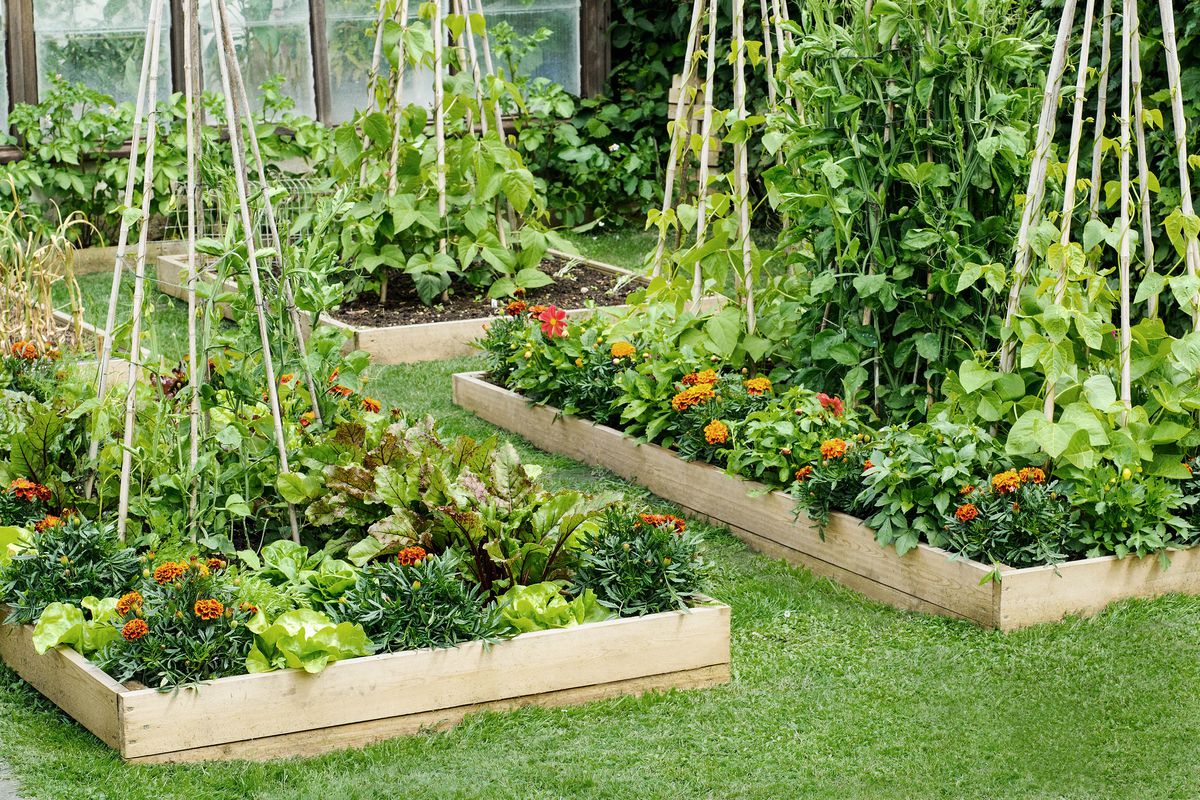
Before planting, it is important to prepare your garden properly. Whether you are planting directly in the soil or in raised beds, make sure to remove any weeds and their roots. Vegetables thrive in a free-draining soil that has plenty of organic compost and fertilizers added to it.
Planting Vegetables
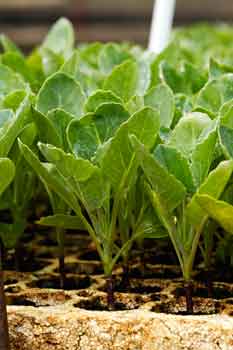
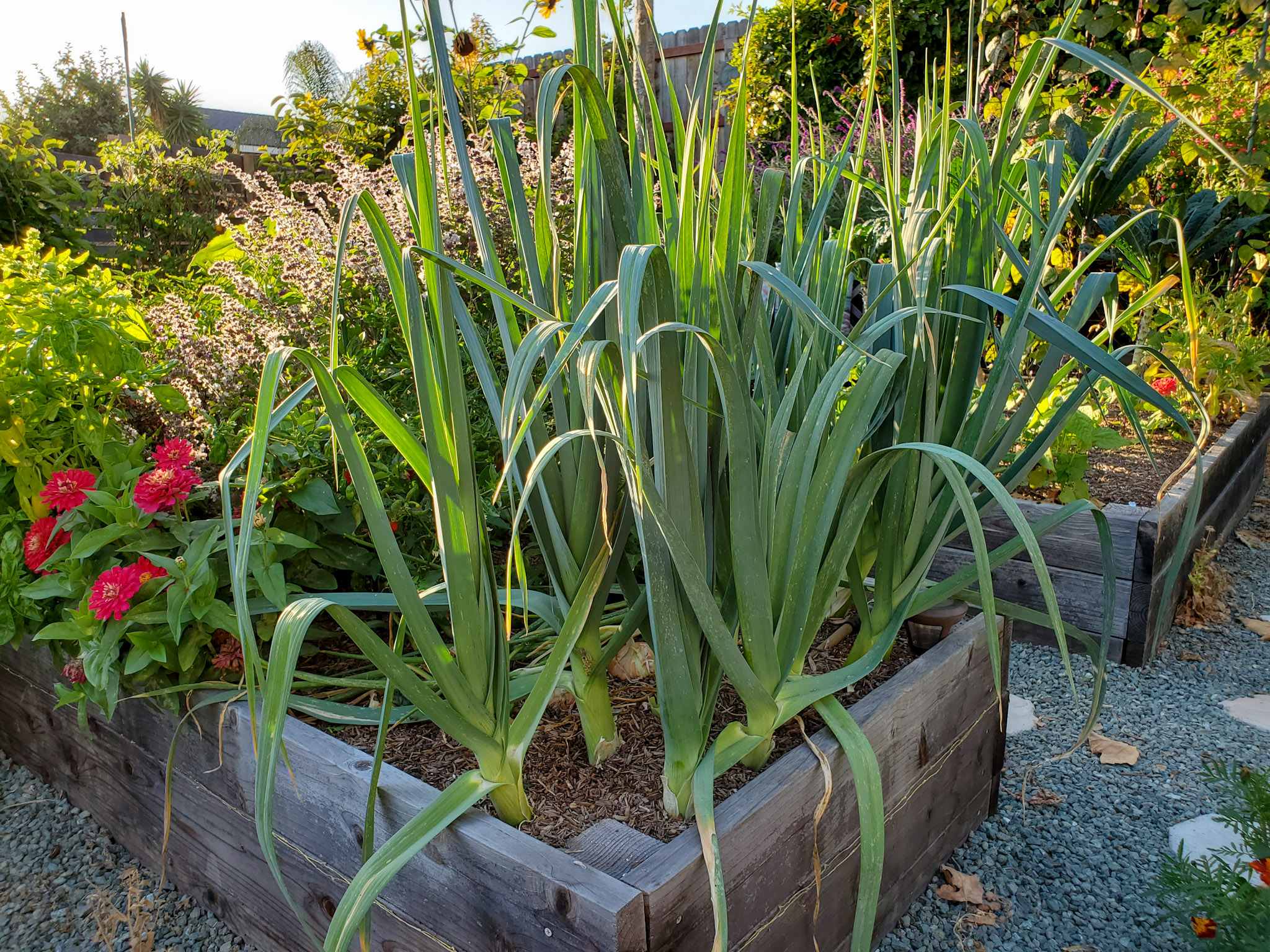
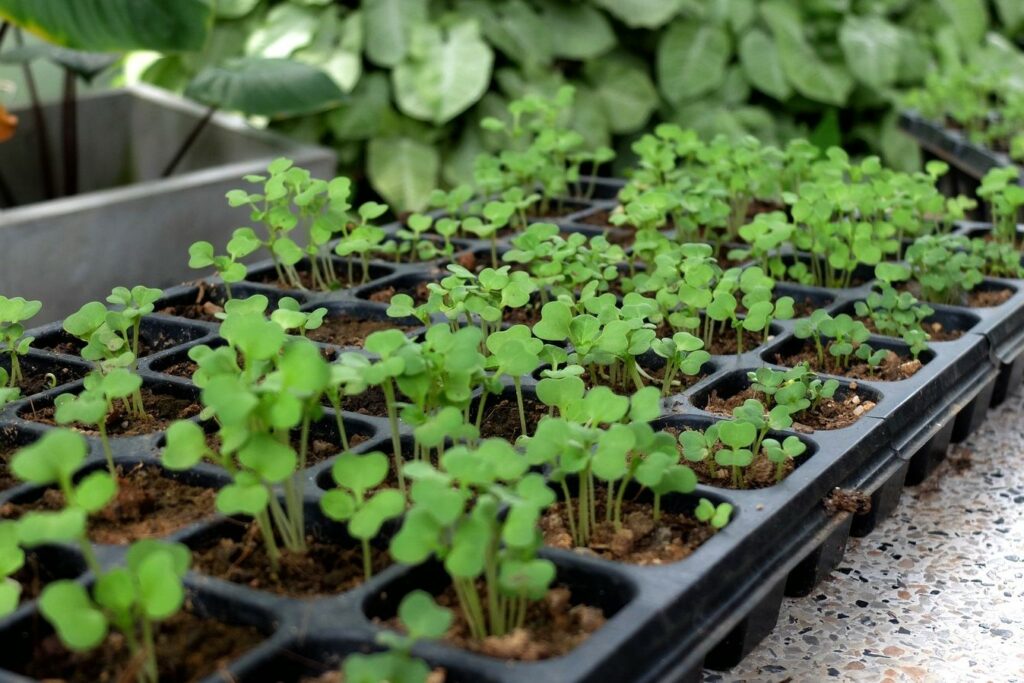
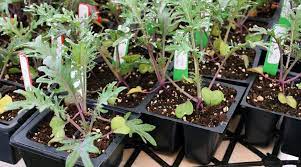
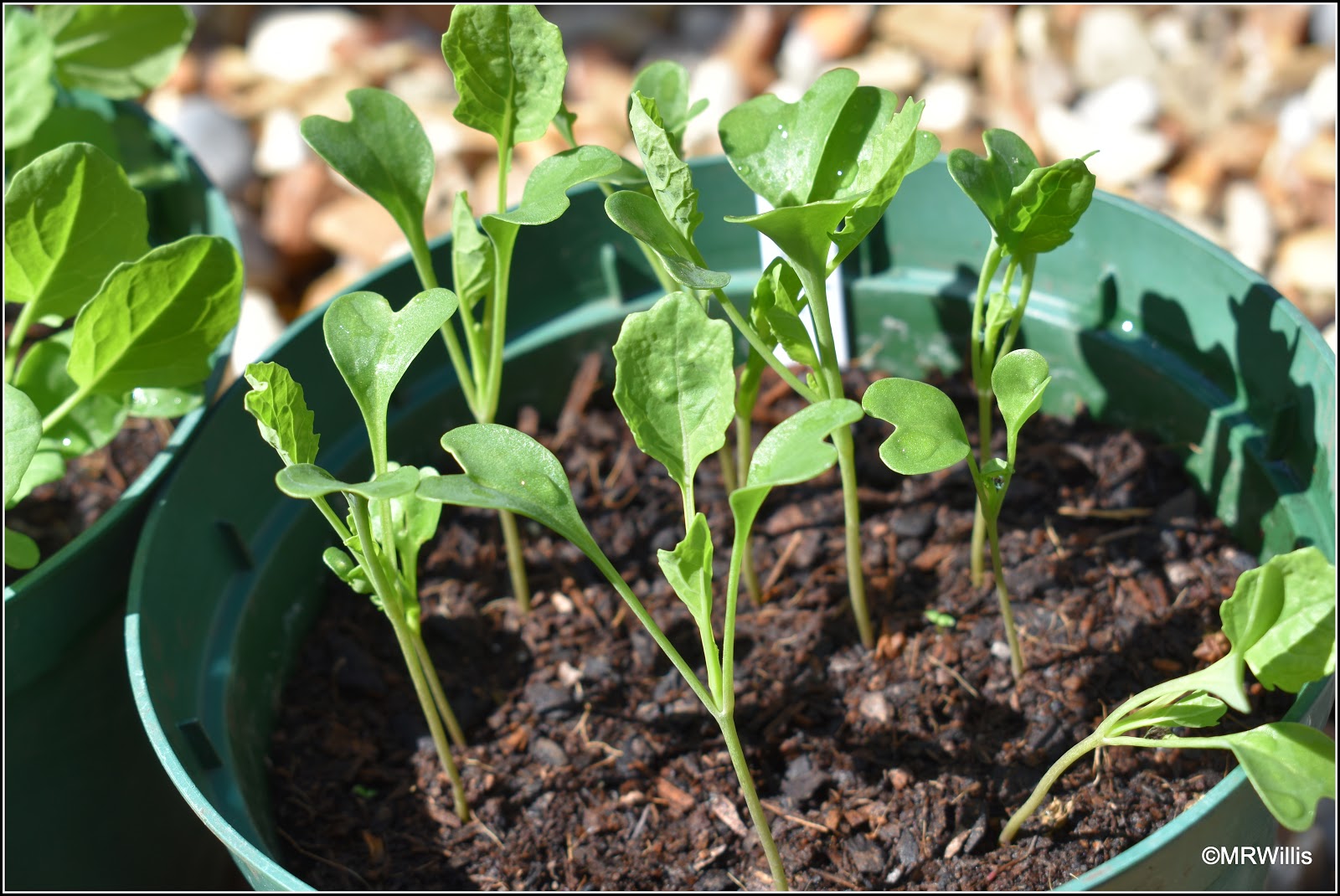
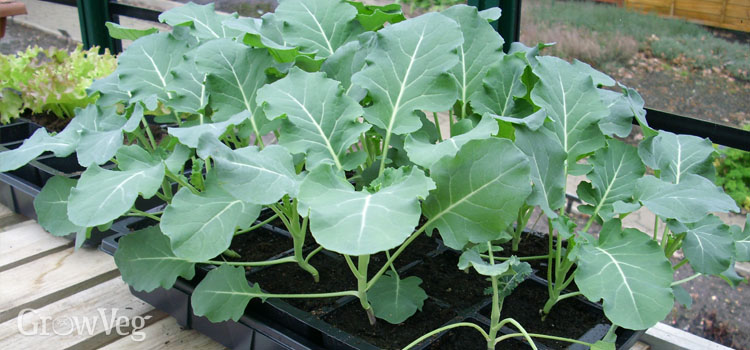
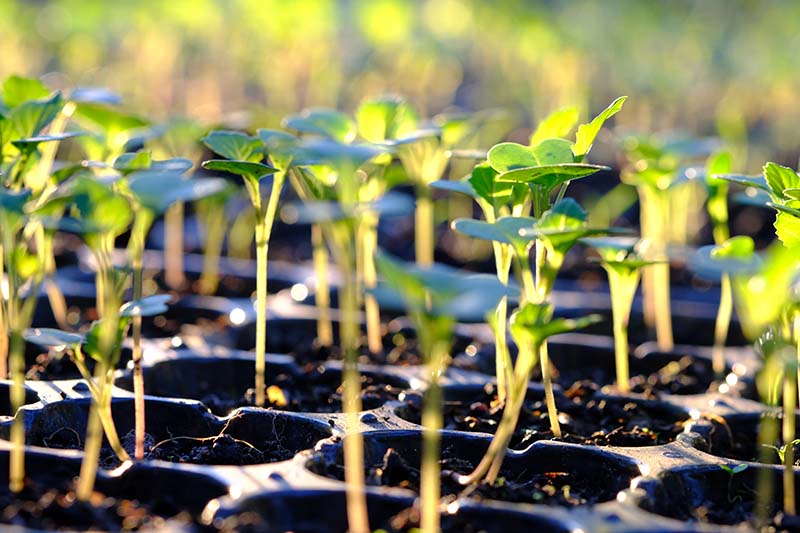
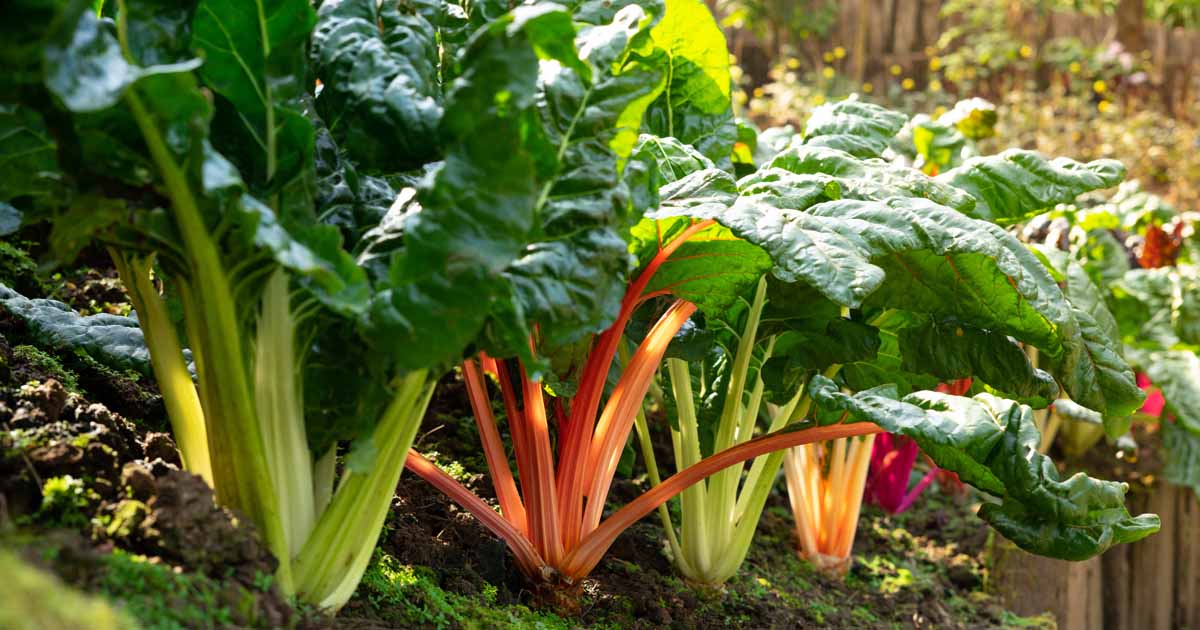
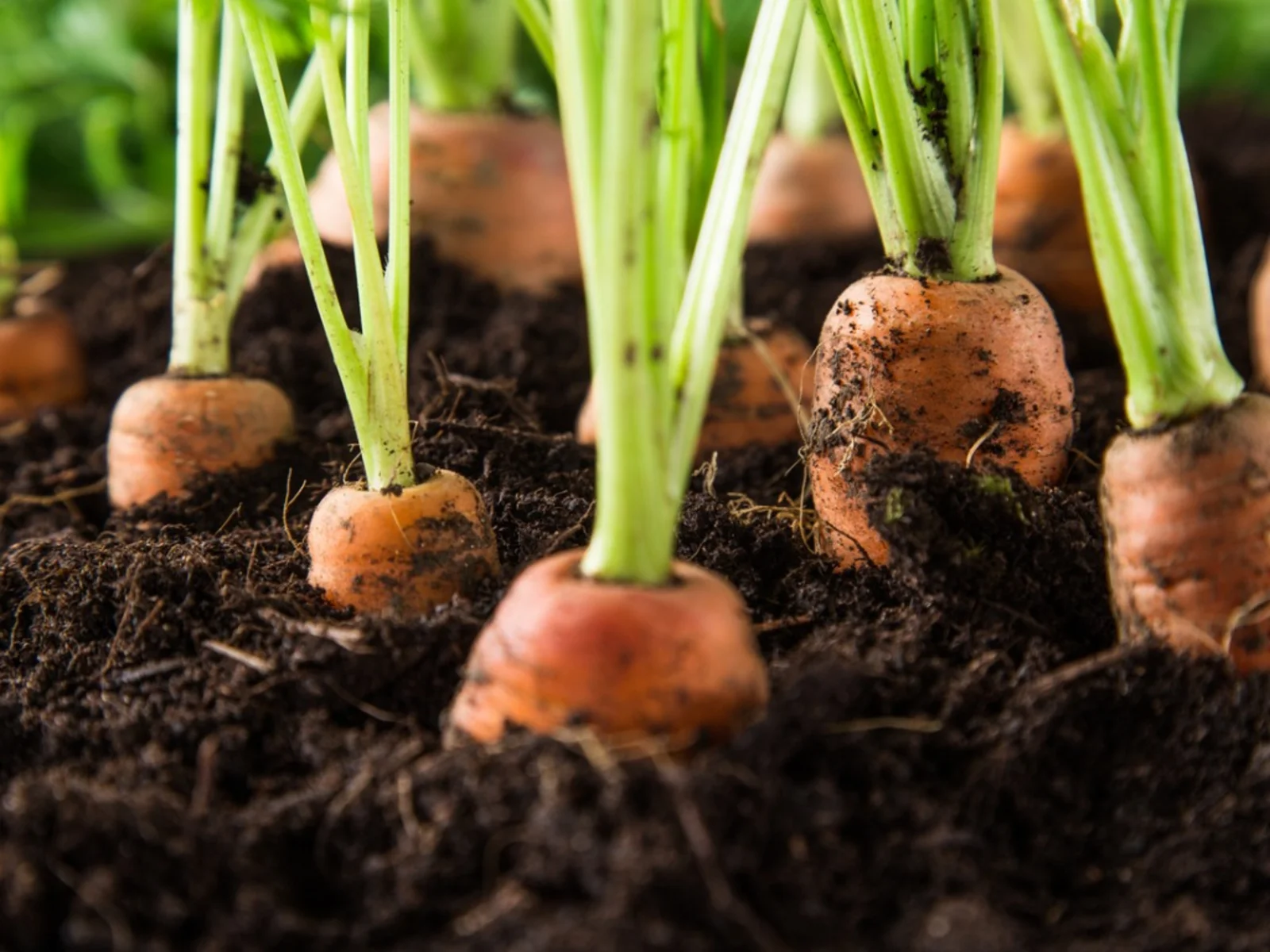
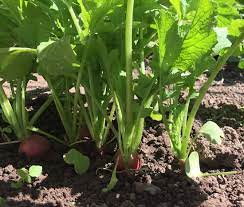
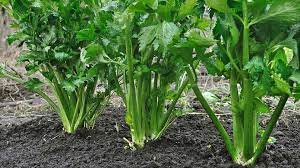
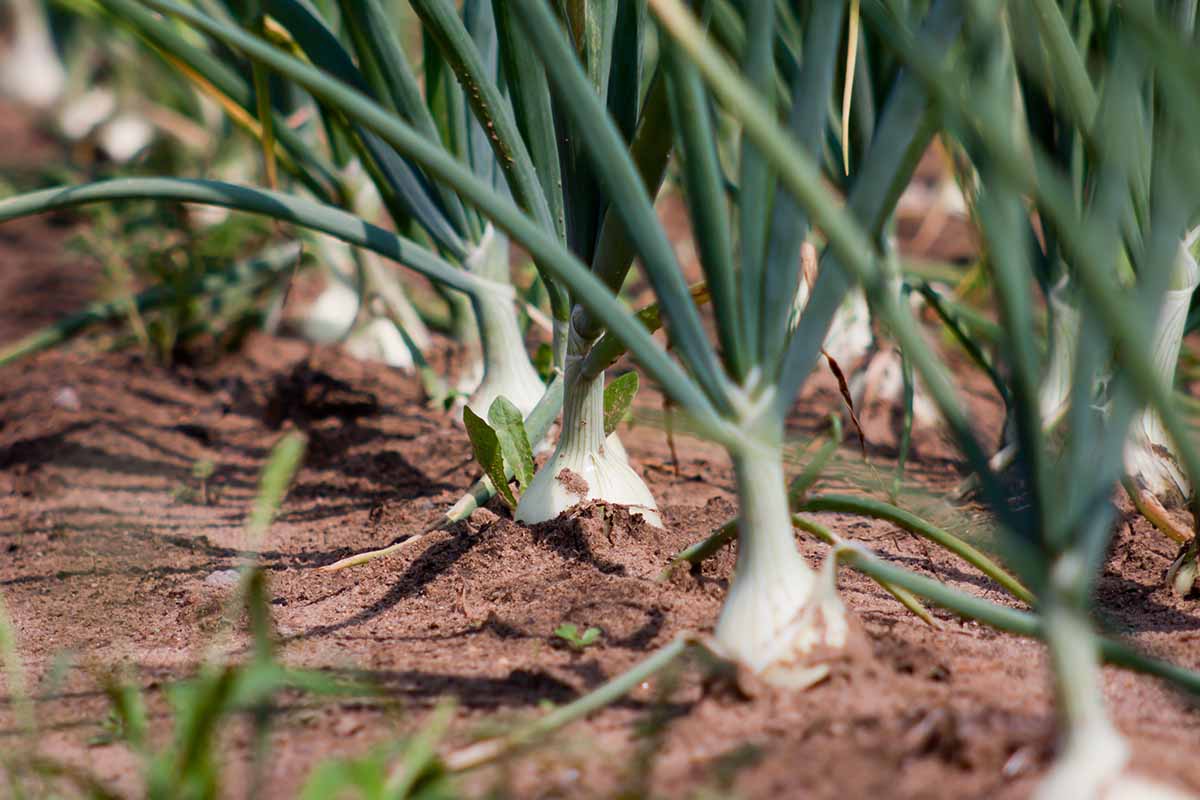
February is not too late to sow or plant some quick-growing vegetables like spring onions, celery, radish, beetroot, carrots, Swiss chard, spinach, bush beans, sweet peppers, eggplant, and garlic. Winter vegetables like broccoli, cauliflower, Brussels sprouts, kale, pak choi, kohlrabi, leeks, and cabbage can be sown in seed trays to be planted out in Autumn. Onion seeds can be sown in seed trays or directly into the soil, but not too deeply. A second planting of potatoes now will be ready for harvesting in late Autumn.
Companion Plants and Natural Pest Control
Planting strongly scented herbs like coriander, thyme, rosemary, and oregano, along with some companion flowering plants like marigolds and nasturtiums, can act as effective natural pest-deterrents when planted among vegetable and salad crops. It is important to keep a watchful eye out for birds being attracted to newly planted seeds as a tasty snack, as well as slugs and snails feasting on the young, juicy green leaves of seedlings.
Mulching Your Soil
Lastly, make sure to mulch the soil around your vegetables to keep them moist and warm. Mulching helps to conserve water, keep the soil temperature steady, and reduce weed growth.
In summary, February is an excellent time to start planning and preparing your vegetable garden for Autumn. By following the tips in this article, you can ensure a successful harvest of delicious and healthy home-grown produce.