
Summer heat can cause stress for garden plants and vegetables, making it difficult for them to survive. Here are some tips to help your plants cope during hot and dry seasons.
Watering
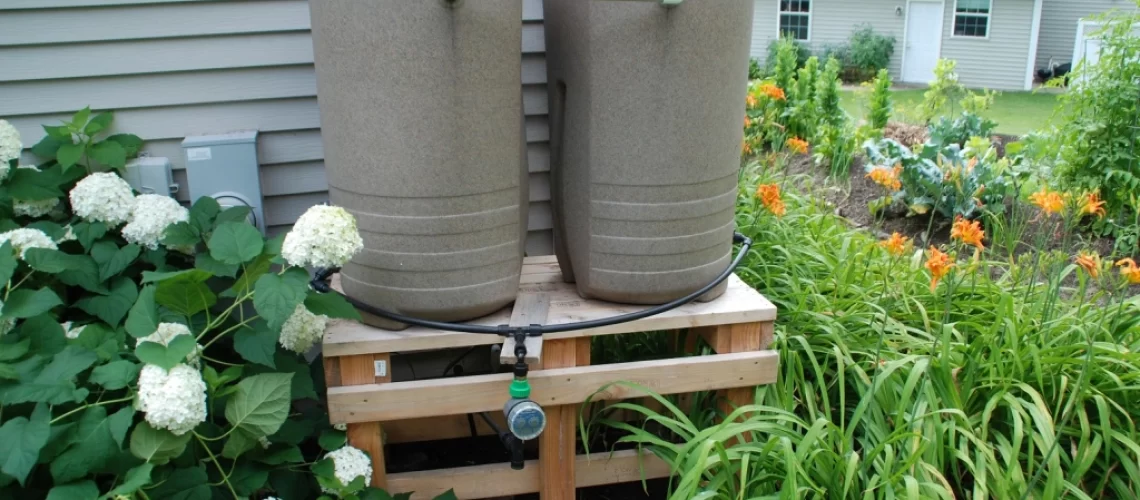
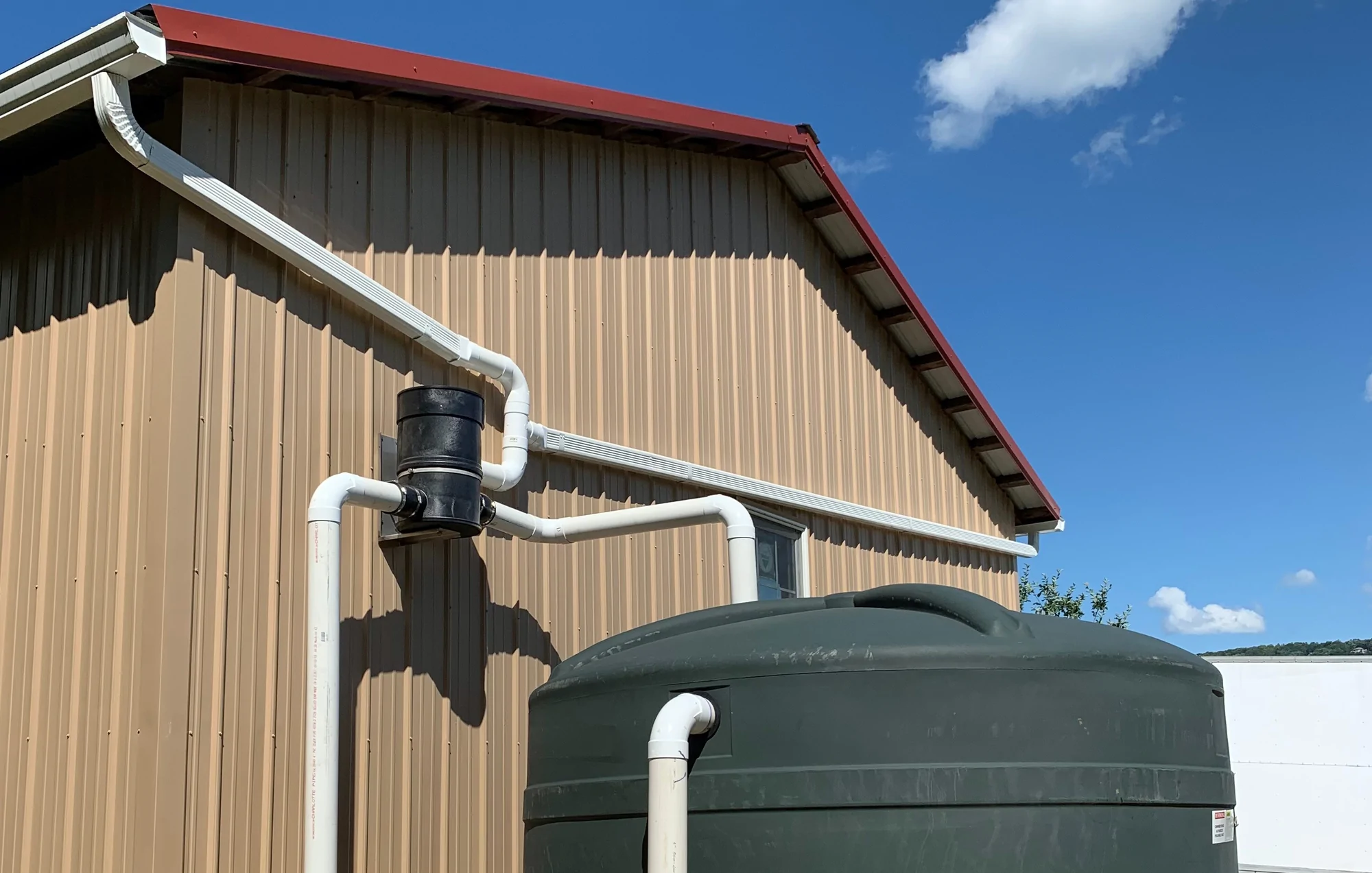
Water is essential for keeping plants healthy and productive. To prevent evaporation and ensure the water reaches the roots, it is best to water early in the morning or in the evening. A good soaking once a week is more effective than watering little and often. Collect rainwater by using rain barrels or an irrigation system and consider using grey water from washing up, bath, shower, and washing machines on the garden.
Mulch
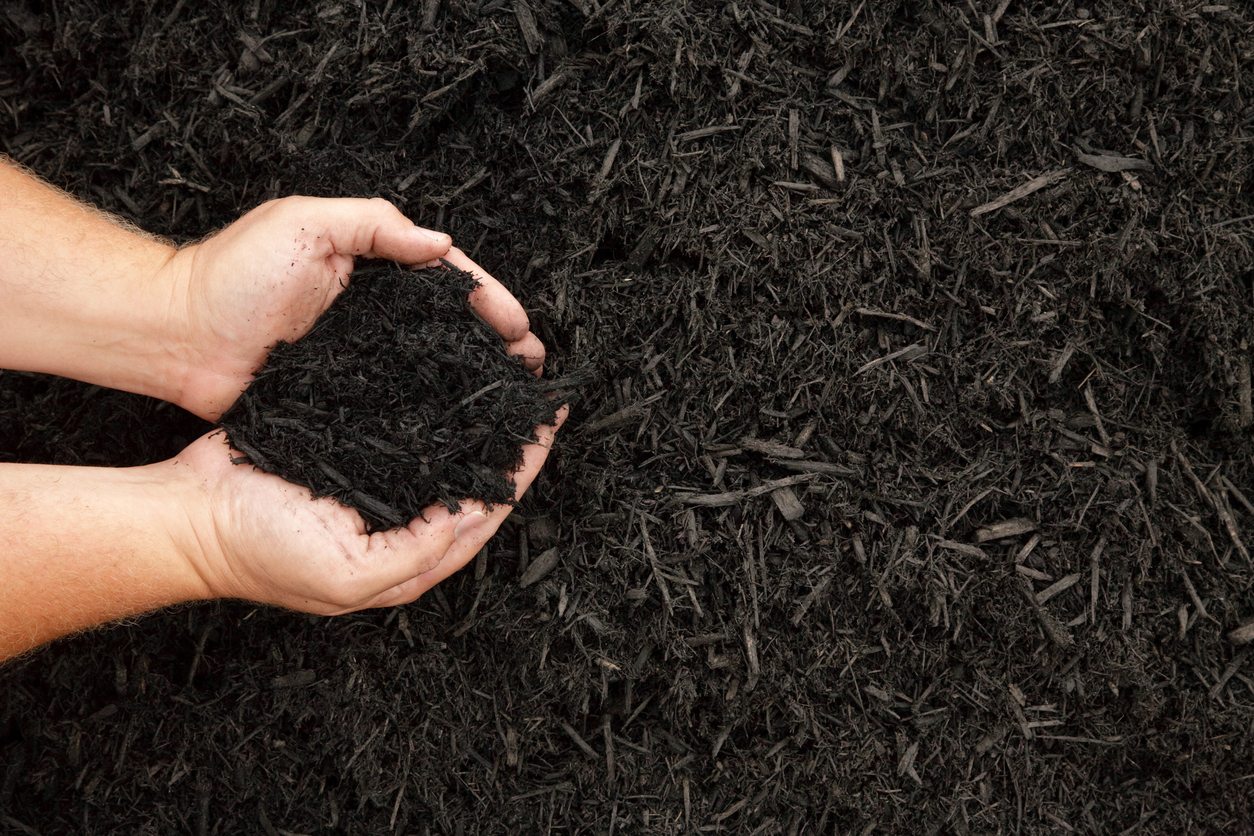
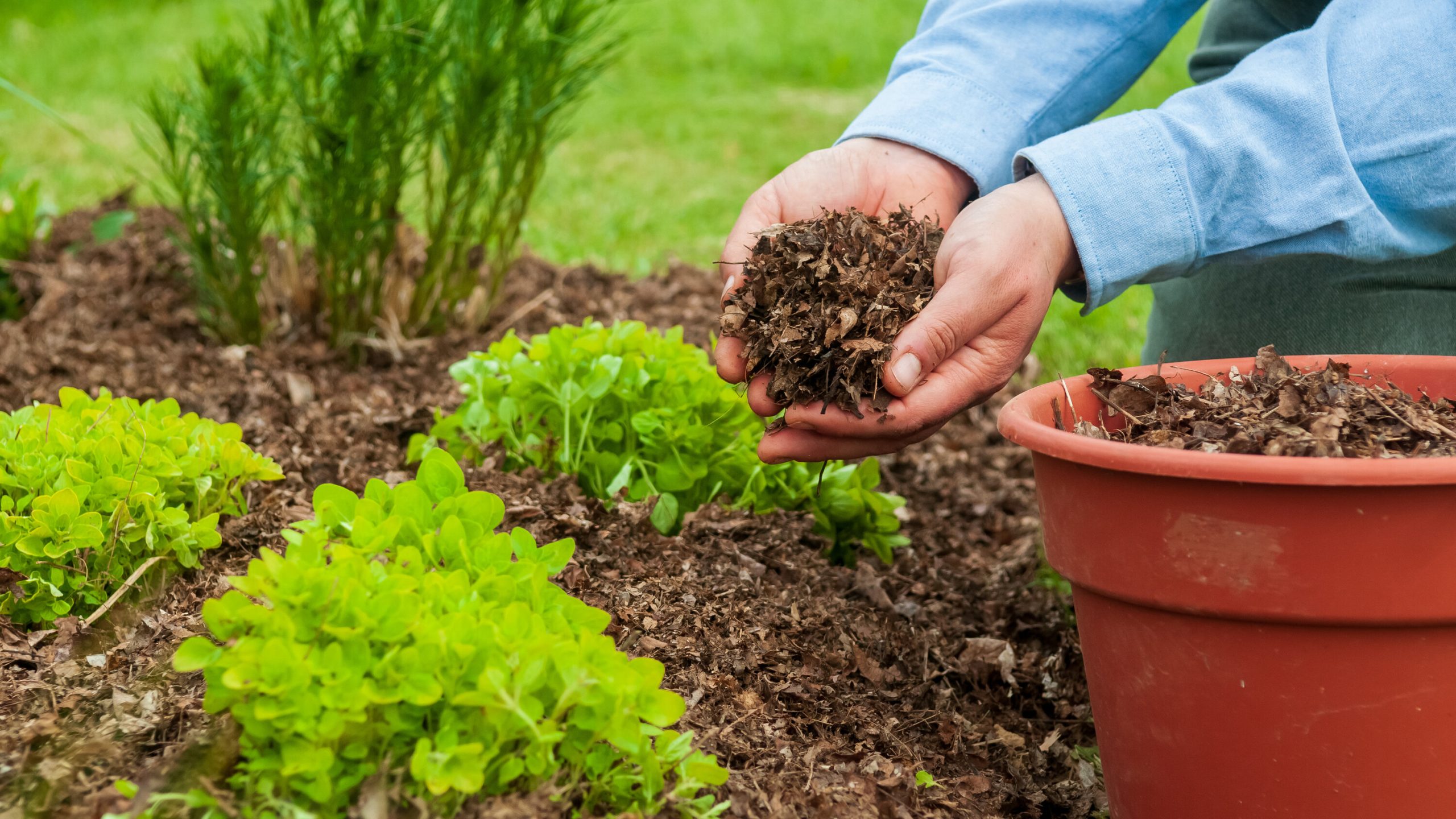
After watering, spread a generous layer of organic mulch such as compost, leaves, or untreated grass clippings around roots to lock in moisture.
Groundcover Plants
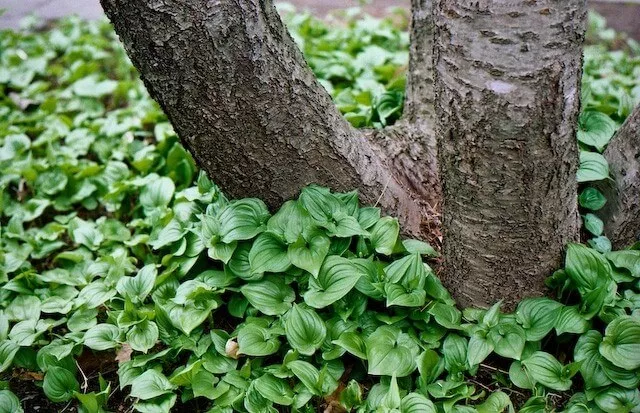
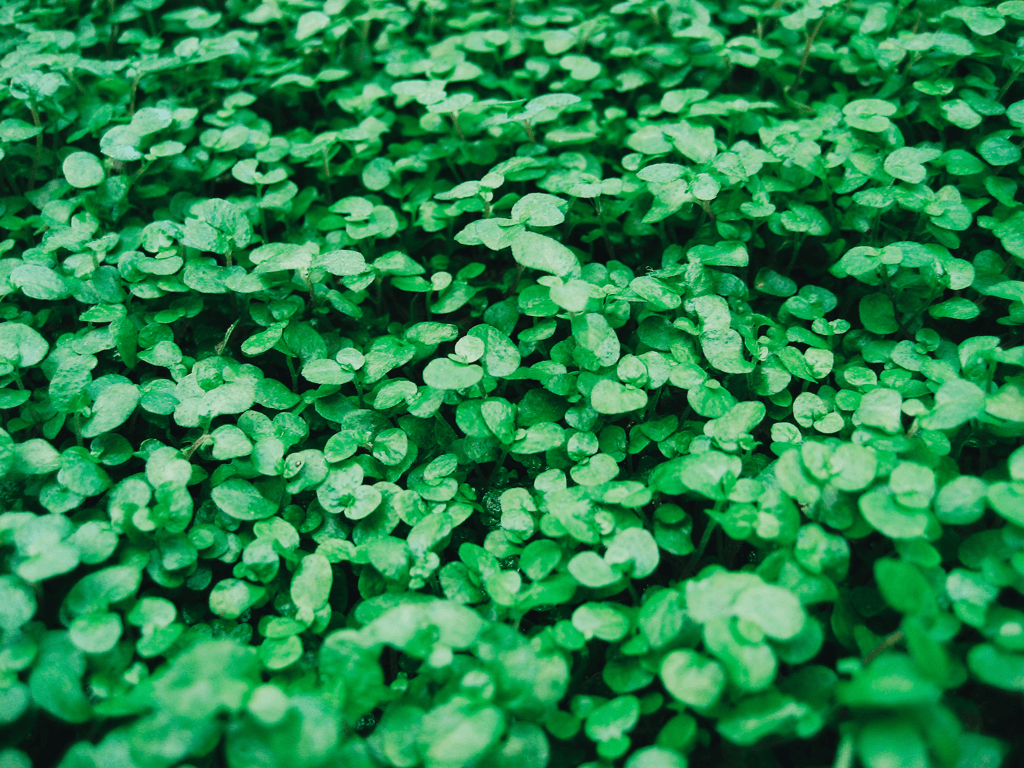
Grow groundcover plants to cover as much bare soil as possible between taller plants. Deep-rooted plants have a better chance of survival than shallow-rooted plants as their roots can go deeper to find sources of moisture.
Drought-Resistant Plants
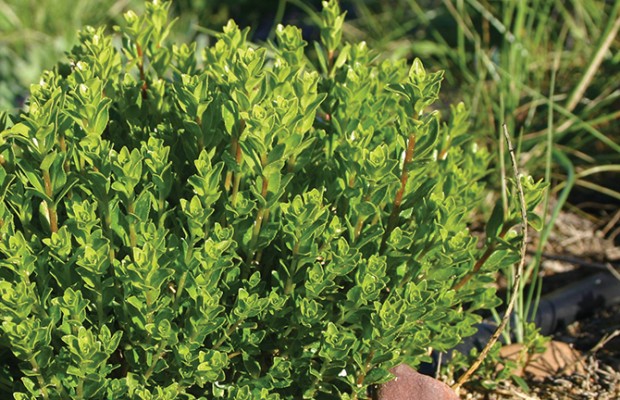
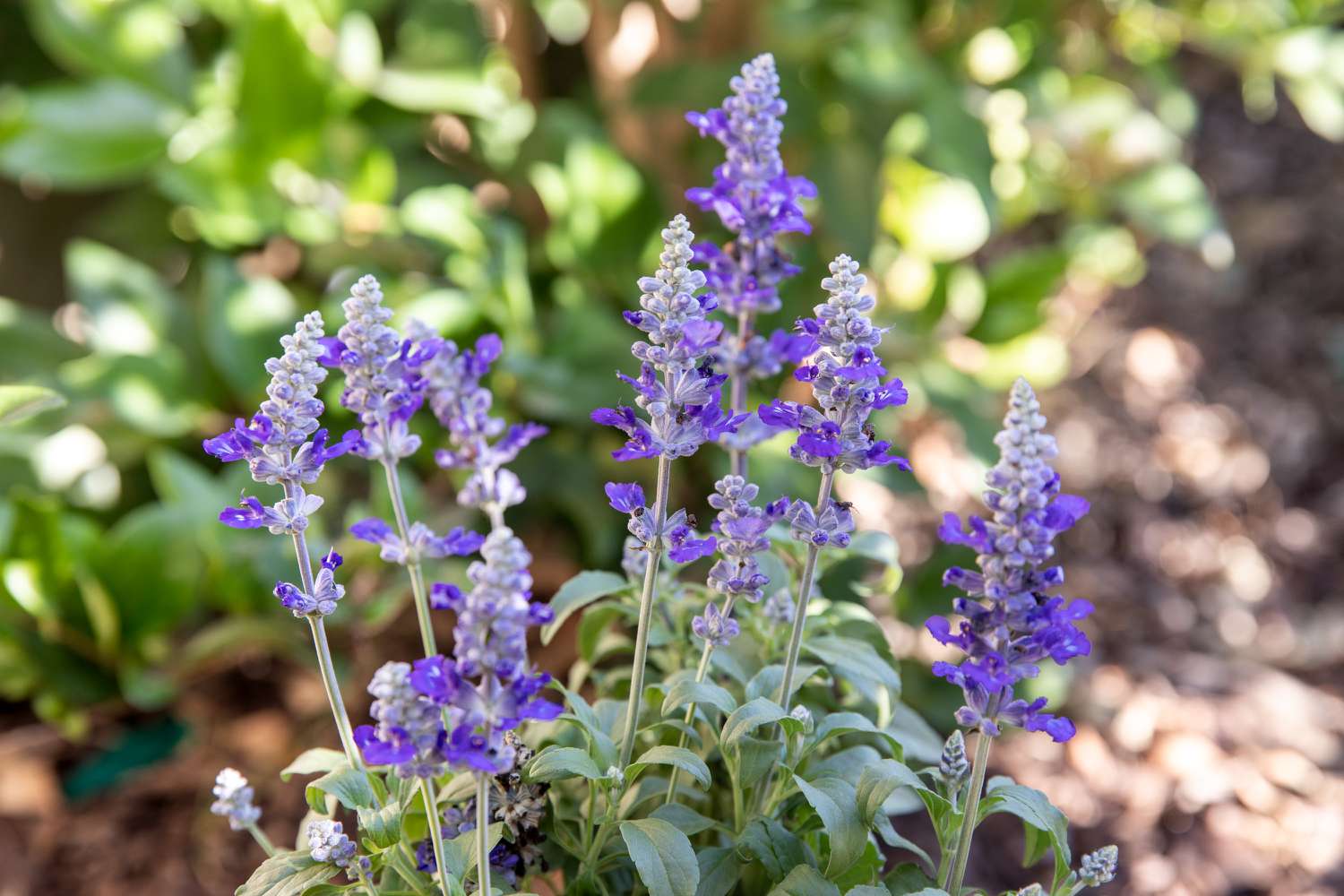
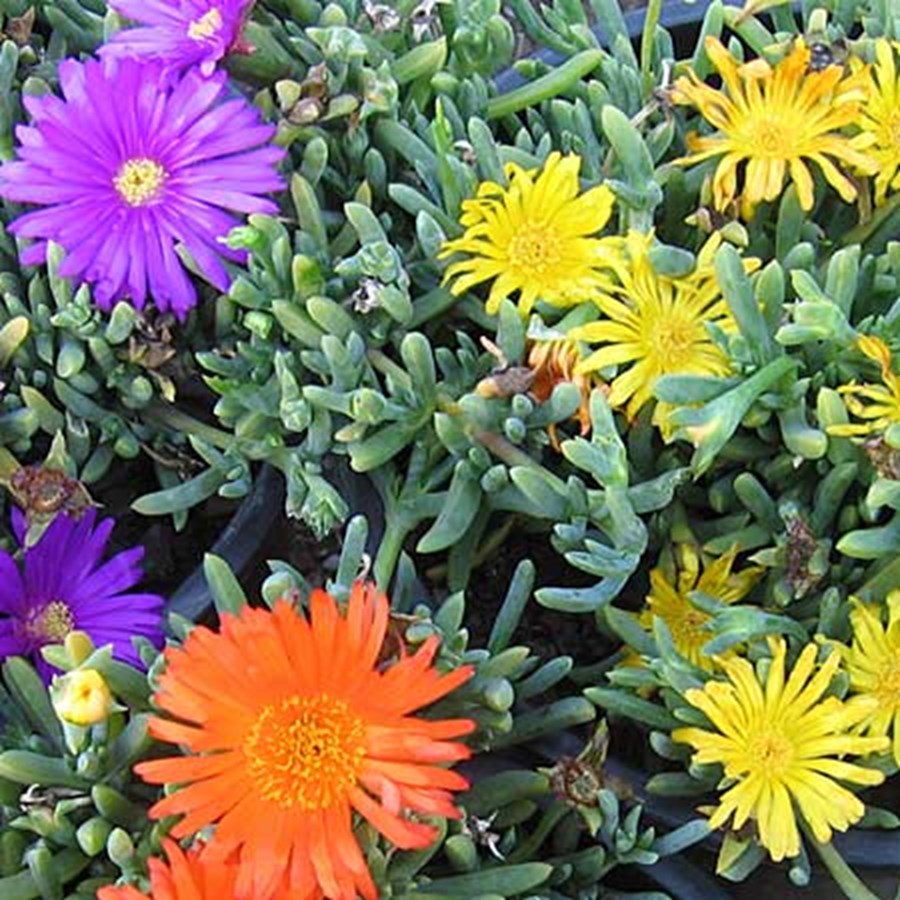
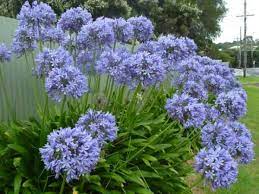
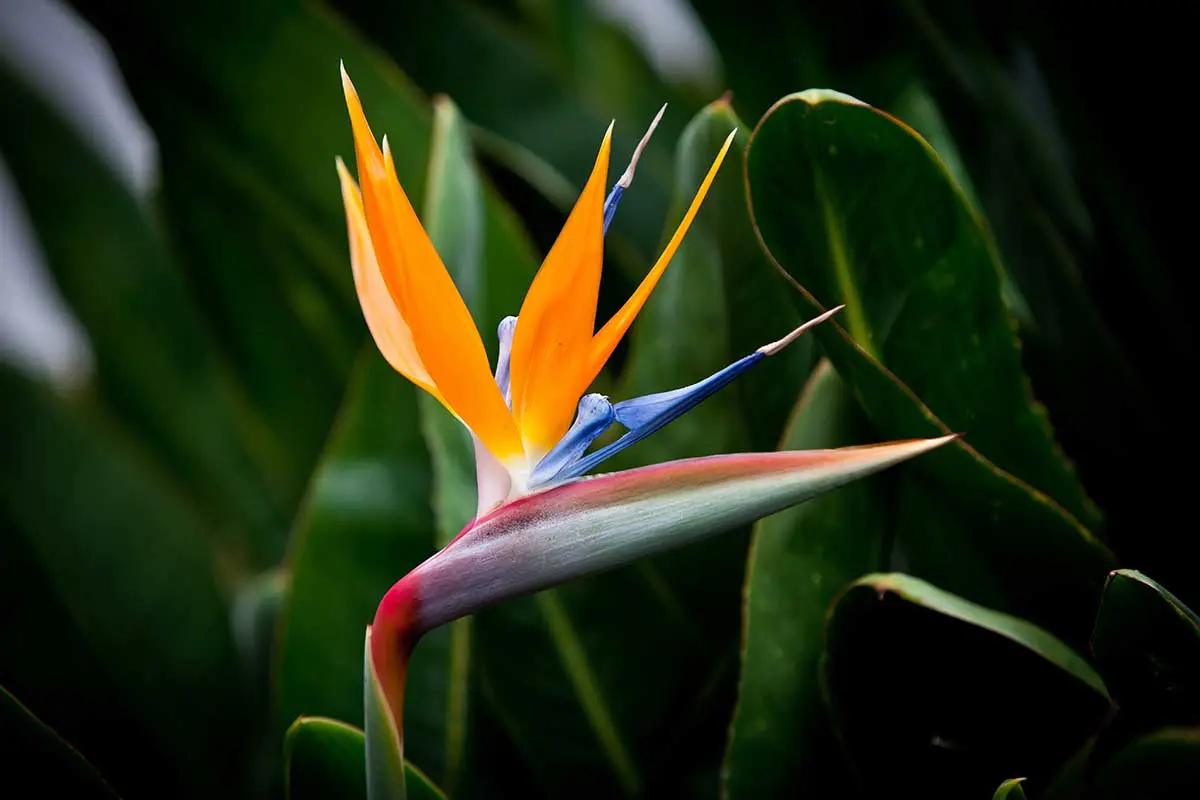
Choose hardy and indigenous plants that can tolerate harsh climates, such as Felicia Ameloides, Strelitza Reginae, Agapanthus, Clivia, Vygies, Salvias, Aloes, Buchu, Dietes, Dymondia, and Fynbos.
Fertilization
Avoid fertilizing plants during a heatwave as this encourages growth when the plants need to conserve energy to survive.
Shade
Move all containers and hanging baskets to a shady area, water well, and top with a mulch. Upturned plastic bottles, with the bottom cut off and filled with water, can also help keep roots of container plants watered. Plant hedges and trees around the garden to provide shade and consider using shade cloth to protect vulnerable plants in borders and the vegetable plot. Remember, plants only need semi-shade, not deep shade.