
Gardening enthusiasts looking for a low-maintenance yet attractive ground cover will find that sedums, also known as Stonecrops, are an excellent choice. These drought-tolerant, sun-loving perennials offer a wide variety of shapes, sizes, and colors, making them versatile for any garden setting. In this article, we will explore the various sedum varieties available, their growing conditions, and how to propagate them.




Sedums: The Perfect Ground Cover Perennial Plants
Sedums, also known as Stonecrops, are the perfect perennial plants for ground cover practically anywhere in the garden. These hardy, sun-loving, drought-tolerant, low-maintenance plants rarely reach more than 60cm in height and store water in their fleshy leaves, making them ideal for dry conditions.
Variety of Sedums
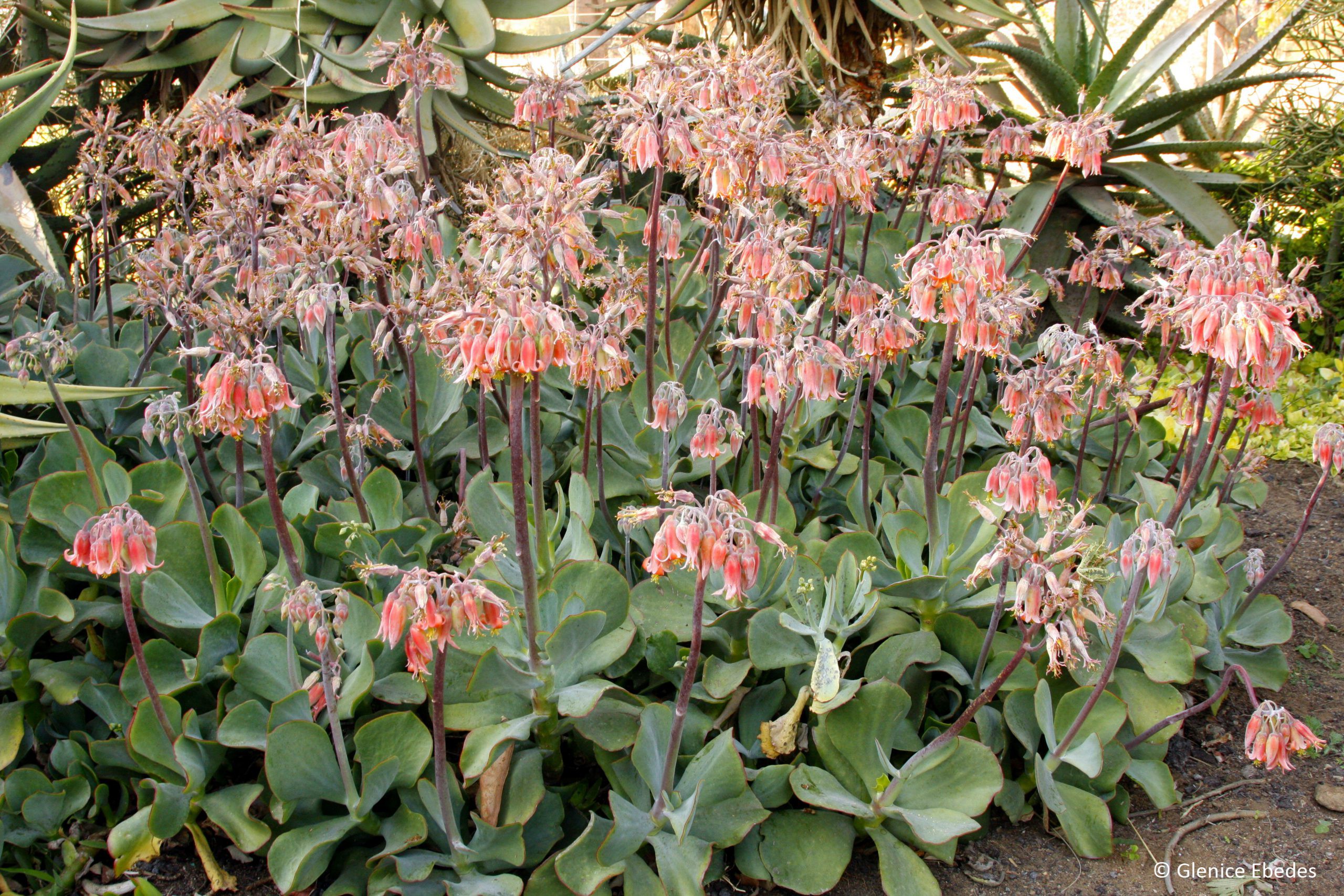
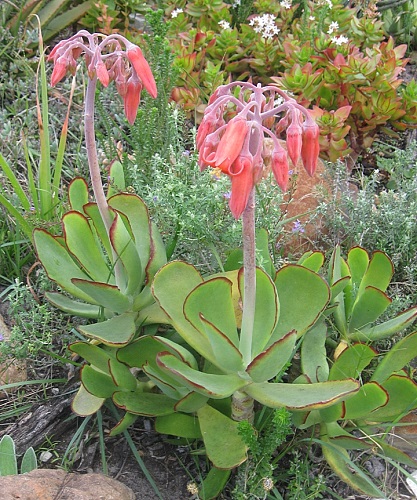
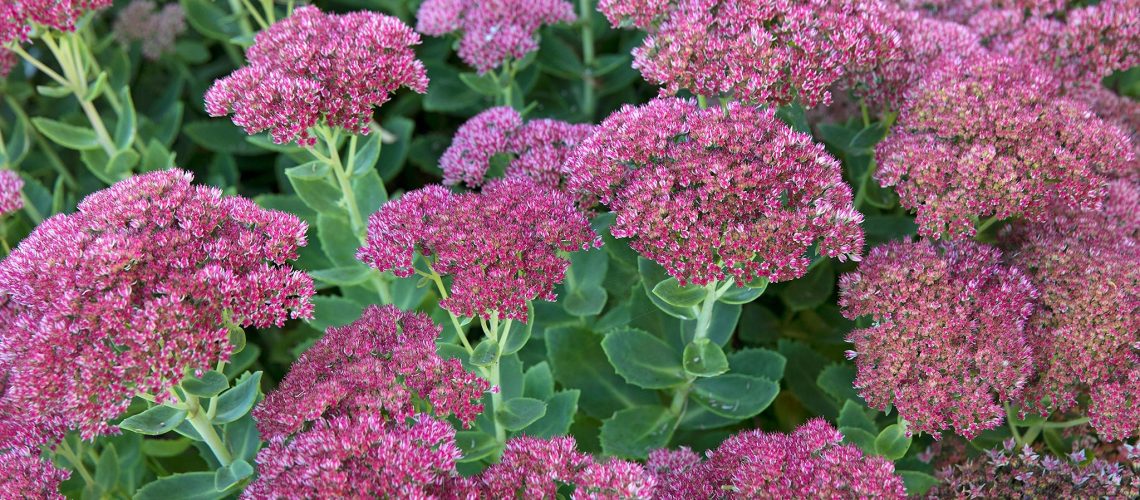
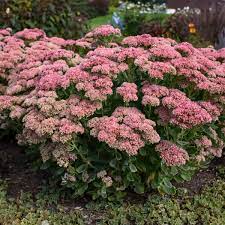
There is a wide choice of sedums available, each with their unique features. The Sedum Spectabile species (Ice Plant), with its flat heads of mauve/pink flowers, is much-loved by wildlife and forms a wide clump. The Sedum ‘Autumn Joy’ and the Sedum Bertram Anderson are both very colourful and look fabulous in borders or containers. The Cotyledon Orbiculata (Pigs Ears) is another succulent that grows in sun or shade, in a container or border.
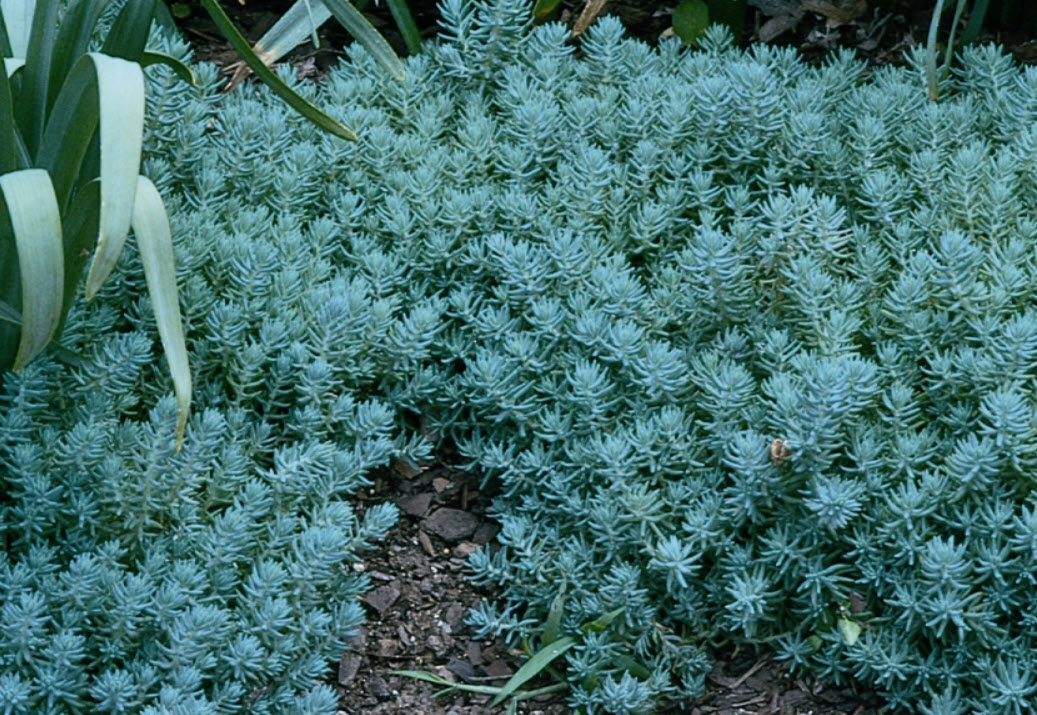
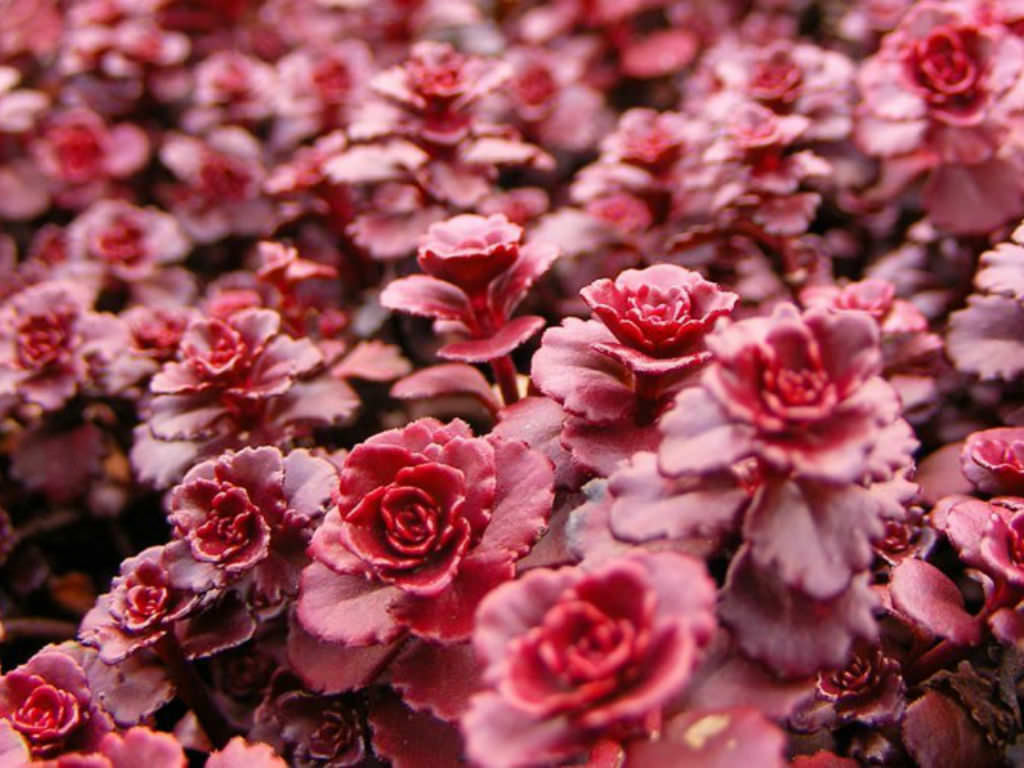
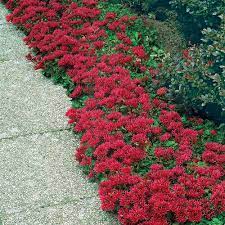
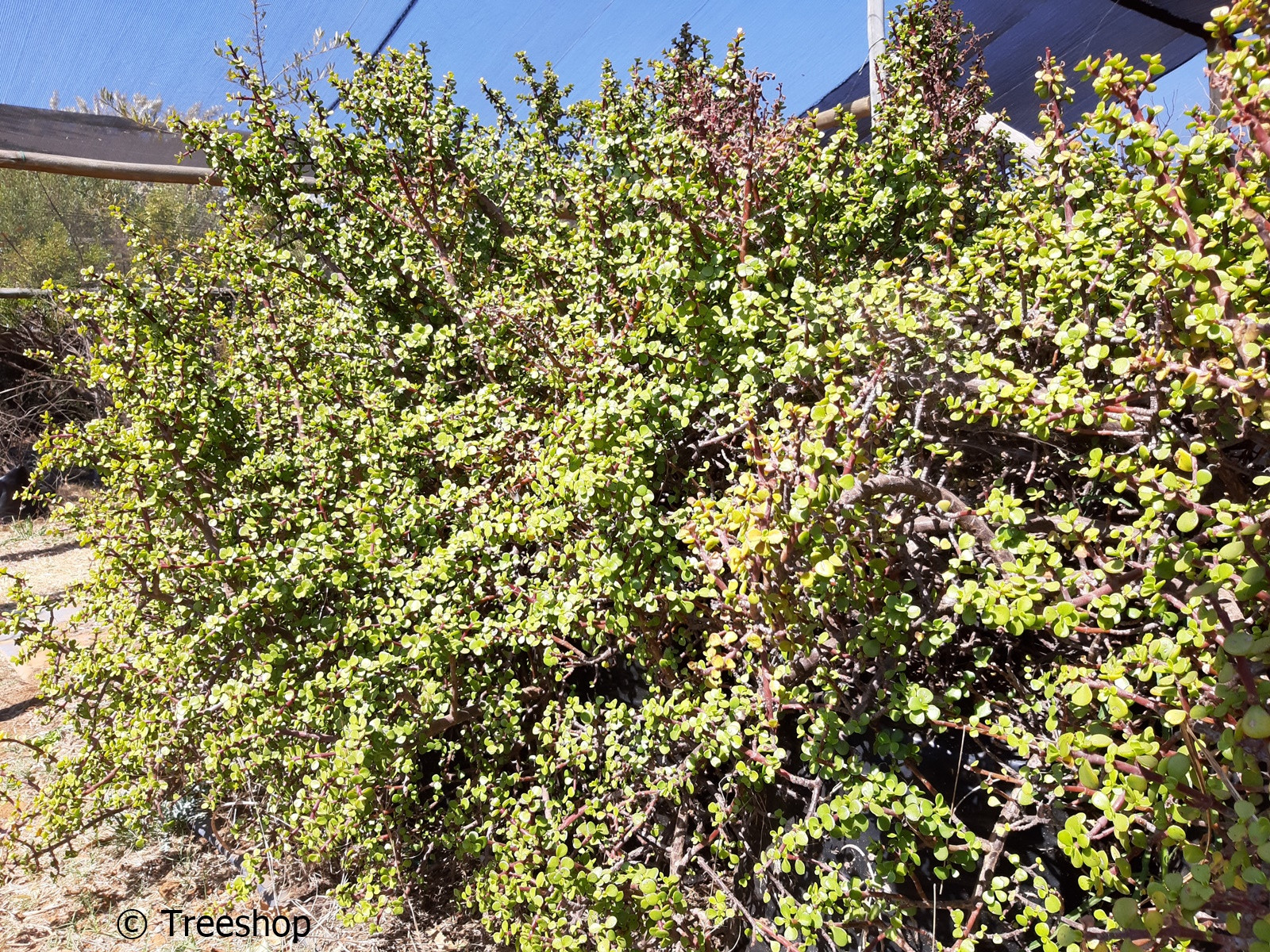
The Spekbom/Porkbush (Portulacaria Afra) will grow into a small shrub that absorbs carbon from the atmosphere. The spectacular, spreading, ground-cover Sedum Spurium ‘Red’ (Dragon’s Blood) will form a thick carpet of bronze/deep red leaves with deep red flowers in the Summer. The fast-growing Sedum Reflexum ‘Blue Spruce’ has thick fleshy blue/grey foliage with bright yellow blooms all Summer.
Growing and Propagating Sedums
Sedums prefer a well-drained soil in a sunny spot and can be left to spread randomly or confined to just one area. They are very easy to propagate by taking a stem of the plant, removing the lower leaves, and placing it in a glass of water until roots develop. The cutting can then be planted in a container or directly into the garden. Spreading varieties often produce roots where the stems touch the ground. These rooted pieces can be snipped off and potted or planted. Any large Sedums can be propagated by cutting a stem with a single leaf attached. Push the stem into a small compost-filled pot until the base of the leaf touches the compost. Shoots and roots will develop from the base of the leaf/stem.
Attractive to Pollinators
Sedums come in a range of flower colors, including deep red, mauve pink, yellow, and white, which are very attractive to bees, butterflies, and other pollinators. These plants are perfect for gardeners looking to attract wildlife into their gardens while enjoying the low-maintenance and beauty of sedums.