Discover the captivating allure of lilies in garden borders. Flourishing in well-composted soil, Asiatic lilies bloom with vivid colors, reaching 10-12cm in groups. Oriental lilies, a fragrant hybrid, grace gardens with elegant beauty, needing staking due to their height. Care includes lifting and storing bulbs in colder climates. Managing overgrown clusters ensures propagation, though caution is needed due to the poisonous pollen. With proper care, lilies enhance gardens with their vibrant shades, fragrant blooms, and striking foliage.



Introduction:
Lilies, with their stunning beauty and vibrant colors, are standout additions to any garden border. These plants are renowned for their ease of cultivation, reliability, and an array of exquisite hues that grace the landscape from early spring through autumn.
Cultivating Lilies for Breathtaking Garden Displays
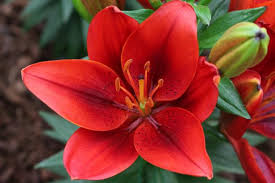
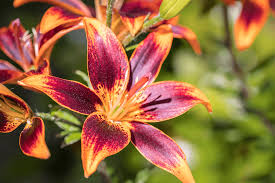
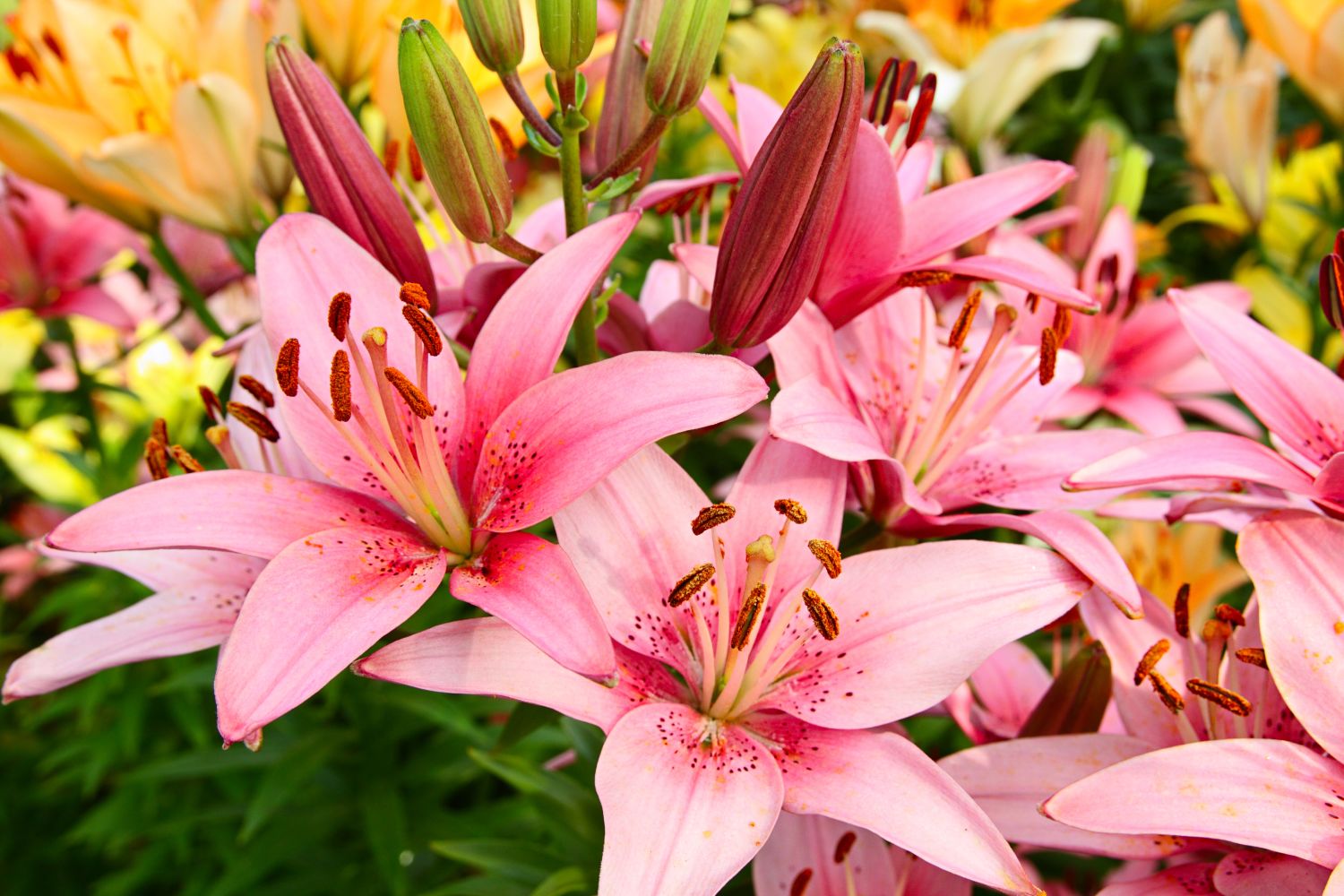
Among the various lily species, Asiatic lilies reign supreme in popularity and simplicity of growth. Flourishing vigorously and proving hardy, they thrive in well-composted, free-draining soil. Ideal planting locations offer a balance of shade for the roots and sun for the blooms. To maintain slight moisture without excessive dampness, mulching with compost or bark chippings is recommended during bulb planting. Regular feeding during the growth phase ensures optimal development. A mature plant stands at 10cm to 12cm in height, adorned with 3 to 12 blooms, each in a uniform color. Group plantings of these lilies create breathtaking displays of pastel and vivacious shades including red, orange, pink, yellow, and white. Their slender bright green leaves complement the blooms. The bulbs propagate naturally, producing new offspring alongside the parent plant.
Oriental Lilies: Fragrant Elegance and Stately Beauty
Oriental lilies, a delightful hybrid of Lilium Auratum from Japan and Lilium Speciosum from China and Japan, offer not only visual appeal but a delectable fragrance. These lilies bloom from mid to late summer, ascending to heights of 1.5mtr – 2mtr, necessitating staking for support. While lily bulbs can remain in the ground for five years, regions with cold, wet winters might require lifting and indoor storage. Preparation involves cleaning the bulb and drying it thoroughly before placing it in vermiculite within a cardboard receptacle. The bulbs are then replanted upon the first signs of growth.
Managing Lily Clusters: Propagation and Care
Overgrown bulb clusters in the garden can be managed through careful separation and either immediate replanting or storage. However, it’s crucial to acknowledge the poisonous nature of lily pollen, which poses a threat to both pets and humans. Additionally, the pollen can leave stains on various materials. Proper care and maintenance, from suitable planting conditions to mindful propagation and storage, ensure the lasting charm of these exquisite blooms.
Conclusion:
In conclusion, lilies stand as remarkable botanical wonders that elevate the allure of any garden border. Whether the robust Asiatic variety or the fragrant Oriental cultivars, these flowers imbue the landscape with their beauty, fragrance, and vibrant colors. Proper care and maintenance, from suitable planting conditions to mindful propagation and storage, ensure the lasting charm of these exquisite blooms. However, it’s vital to exercise caution due to the toxic nature of their pollen, emphasizing the need for responsible gardening practices.