
The Vegetable garden in February
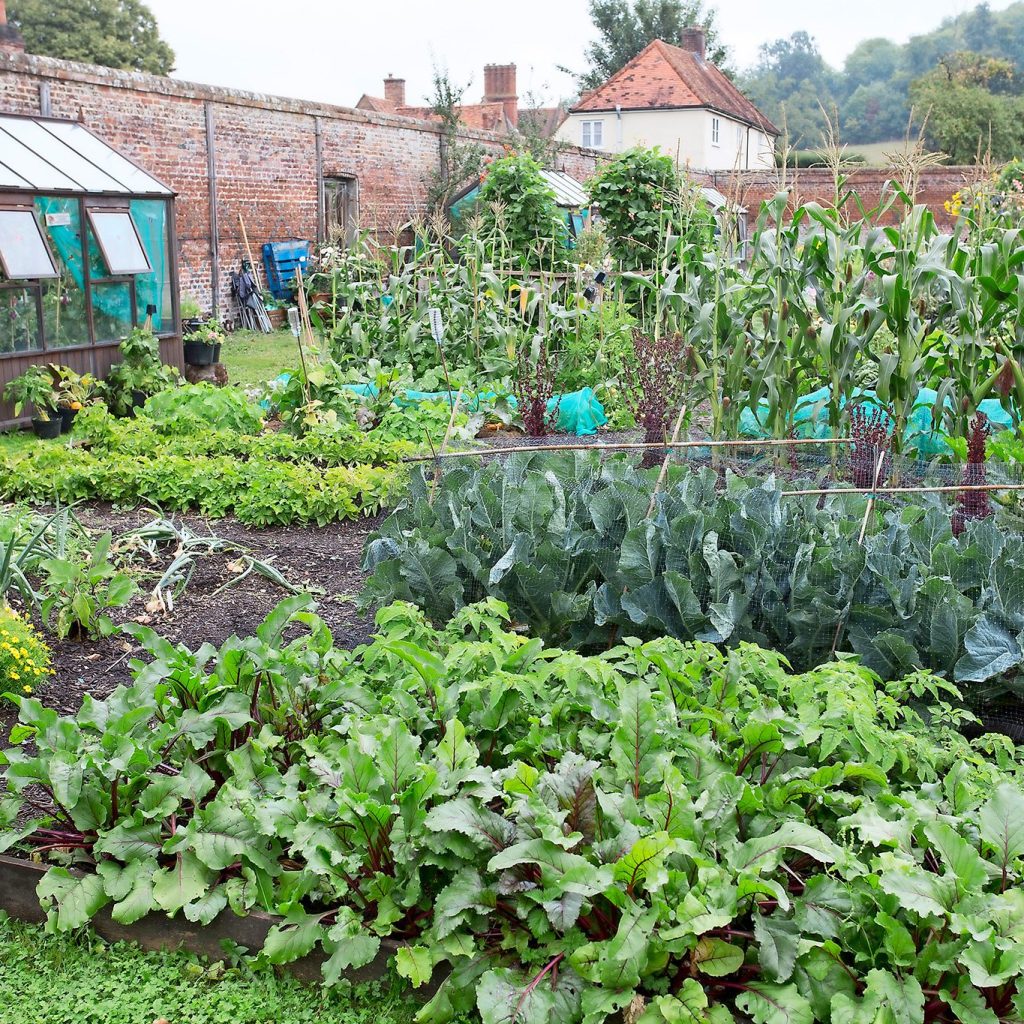
If you are looking to grow your own vegetables and enjoy the benefits of fresh, home-grown produce, then February is the perfect time to start planning and preparing your garden for the upcoming Autumn season. While temperatures may still be high, taking the time to prepare your garden in advance can help ensure that you have a bountiful supply of delicious, healthy vegetables to enjoy throughout the winter months. In this article, we will provide you with some tips on how to plan, prepare, and plant your vegetable garden in February. From choosing the right spot for your garden to companion plants and natural pest control, we’ll cover everything you need to know to create a successful and thriving vegetable garden.
Awesome Echinaceas!
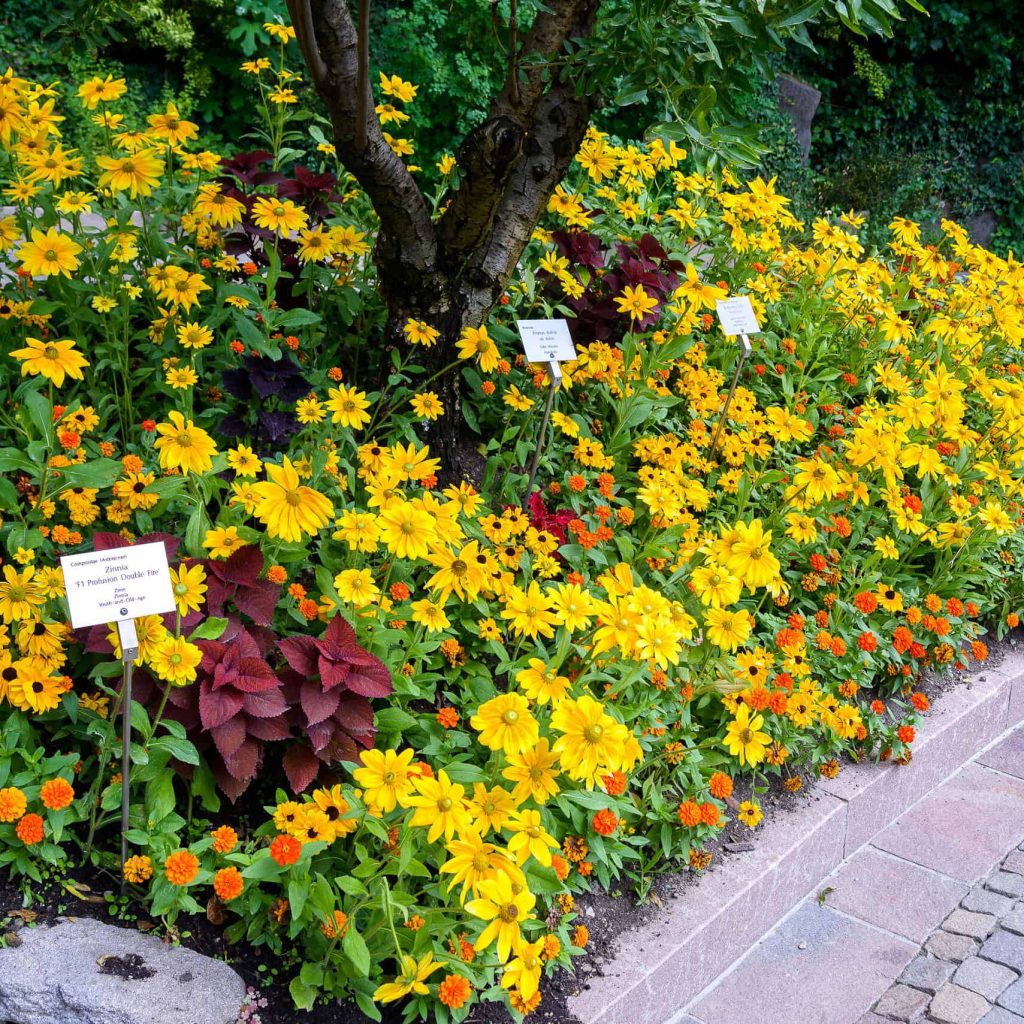
Echinacea, also known as Coneflowers or Rudbekias, are native perennials of North America that can withstand harsh conditions. They thrive in free-draining soil and are suitable for any style of garden. The popular Echinacea Purpurea has pink/purple blooms and roots with medicinal properties. The blooms attract pollinators and the petals are edible, making it a great herb garden addition. Regular deadheading and cutting back stems will ensure more flowers. Root cuttings can be taken in the Autumn to propagate new plants.
Transform Your Shaded Areas into a Leafy Paradise with Low-Maintenance Ferns
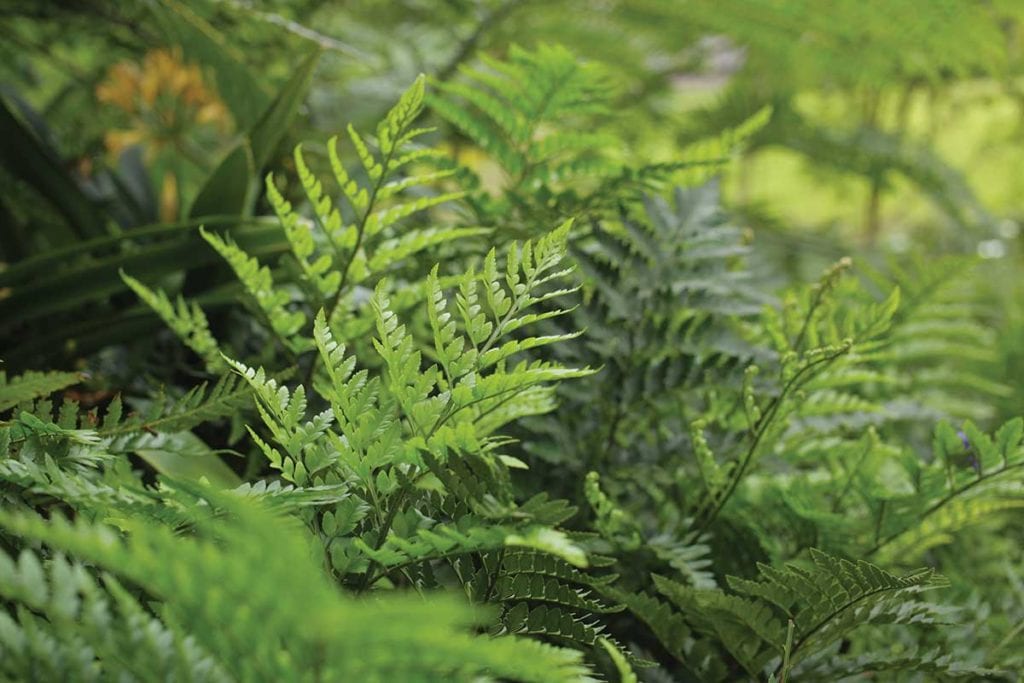
Ferns are low-maintenance plants that can add life to shady or semi-shaded areas. With a variety of shapes, sizes, textures, and shades of green, there’s a fern to fit every style and space. From the majestic Tree Fern to the delicate Maidenhair Fern and easy-to-grow options like the Sword Fern and Birds Nest Fern, you can create a lush and leafy paradise. In this article, we’ll explore different fern types, their growth habits, and care tips to help you transform your space into a beautiful leafy paradise.
How to Keep Garden Plants and Vegetables Healthy During Hot Dry Seasons
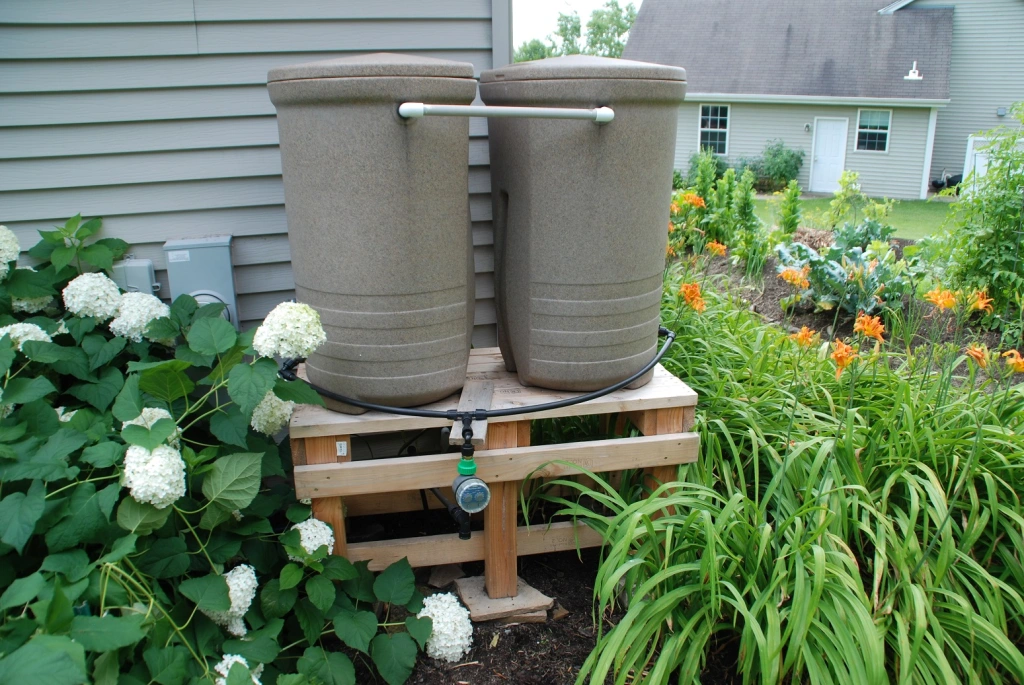
Summer heat can cause stress for garden plants and vegetables, making it difficult for them to survive. Here are some tips to help your plants cope during hot and dry seasons.
10 Simple Tasks to Keep Your Garden Looking Fabulous and Productive This Summer!

Summer is the time to enjoy your garden, but without proper care, it can become overgrown and unproductive. Keep your garden looking fabulous this summer by focusing on tasks like pruning, controlling weeds and attracting wildlife. In this article, we’ll discuss the top jobs for summer gardening that will help make the most of your outdoor space. These tips will help you create a beautiful, productive garden that you can enjoy all season long.
Transform Your Garden into a Wind-Proof Oasis: Secrets to Protecting Your Plants and Creating a Micro-Climate

Creating a wind-proof garden is essential for protecting your plants from the damage that strong winds can cause, such as breaking branches, drying and scorching foliage, and causing soil erosion. By understanding the best methods for protecting plants from strong winds, you can create a garden that not only withstands the elements, but also thrives in them. In this article, we will explore the best ways to protect your plants and create a wind-proof garden.
Vegetable gardening in December

Home-grown tastes better, and, although it takes some work, the results are so rewarding and well worth making growing your own edibles a feature of your garden, whatever it’s size.
Water-wise gardening

Water is an essential and life dependent part of the garden, especially during the drought season. Water is vital to hydrate plant cells to aid plant processes including growth, but water is lost through leaves.
Design a tropical slice of paradise in your garden!

Imagine transforming your outdoor space into a haven of lush, green plants with dramatic foliage , punctuated by some vibrantly coloured blooms.
November gardening to do list

Time to get busy in the garden so it will look amazing all summer long!
Confetti bushes can be pruned hard in November, and also Leucospermums, Buchus and Proteas when they have finished flowering.