
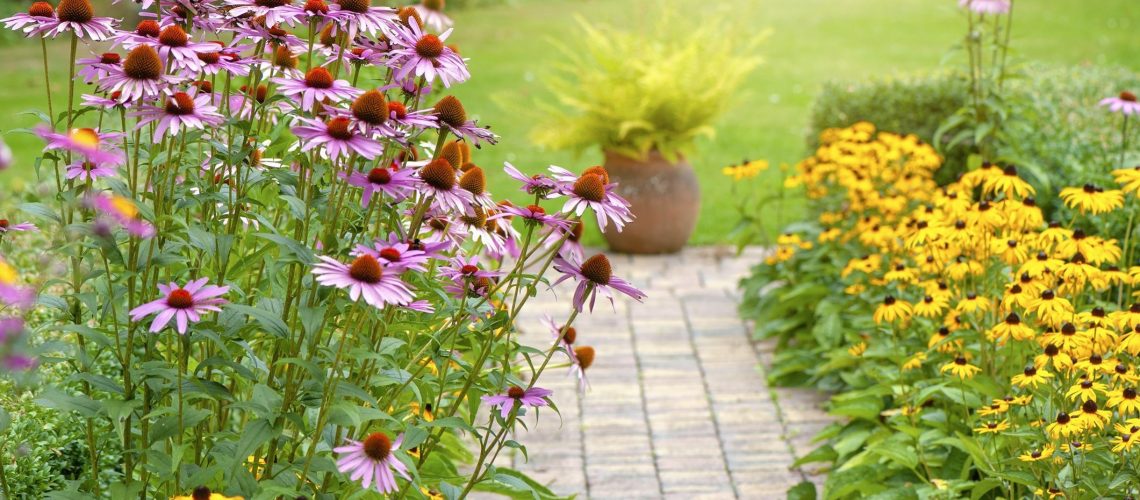

Discover the simplicity of low-maintenance plants, the ideal solution for today’s busy lifestyles, offering more time for garden relaxation. From versatile perennials adaptable to various garden settings to smart garden design principles and pollinator-friendly, reliable bloomers, this article guides you on the path to creating an eco-friendly, time-efficient garden. Embrace wildlife-friendly perennials, indigenous drought-tolerant options, and low-maintenance ground covers for a lush, hassle-free garden that’s both aesthetically pleasing and environmentally responsible.



Introduction
Low-Maintenance Plants: Your Path to Garden Bliss
In today’s fast-paced world, finding time to tend to a demanding garden can be a daunting task. The good news is that there’s a simple solution—low-maintenance plants. These beauties not only reduce your gardening workload but also offer several environmental benefits. In this article, we’ll explore how low-maintenance plants can help you reclaim your precious time and create a thriving garden that’s kinder to the planet.
Choosing the Right Perennials
Endless Options for Versatile Perennials
When it comes to low-maintenance gardening, the options are virtually limitless. Versatile perennials are your best allies, as they can flourish in various garden settings. Whether you have mixed borders or a cozy patio with containers, you’ll find perennials that suit your needs. From drought-resistant plants that thrive in poor soils to shade-loving varieties that illuminate shaded spots, there’s a perennial for every corner of your garden.
The key to success lies in the ‘right plant, right place’ principle. To get the best results, ensure your chosen perennials match their intended location in terms of light, soil, and moisture requirements.
Designing Your Garden
Creating Harmonious Plant Layouts
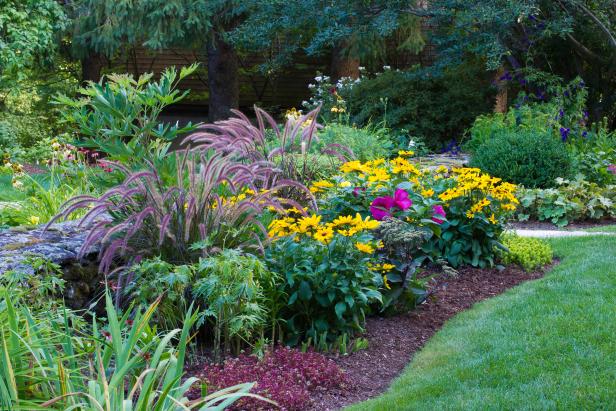
Designing your garden is an art that goes hand in hand with low-maintenance gardening. Begin by planning flower bed layouts strategically. Vary the heights and textures of your plants to add visual interest. Place taller perennials at the rear of the border, followed by mid-height ones in the middle, and finally, transition to shorter perennials at the front, interplanting them with shrubs.
To maintain a sense of cohesion, embrace repetition. Instead of a multitude of plant varieties, focus on a specific planting palette. Opt for larger quantities of fewer plant types and cluster them in odd numbers for a symmetrical effect. This approach avoids the cluttered look that too many different, singular plants can create.
Selecting Reliable Bloomers
Ensuring Continuous Blooms and Pollinator-Friendly Choices
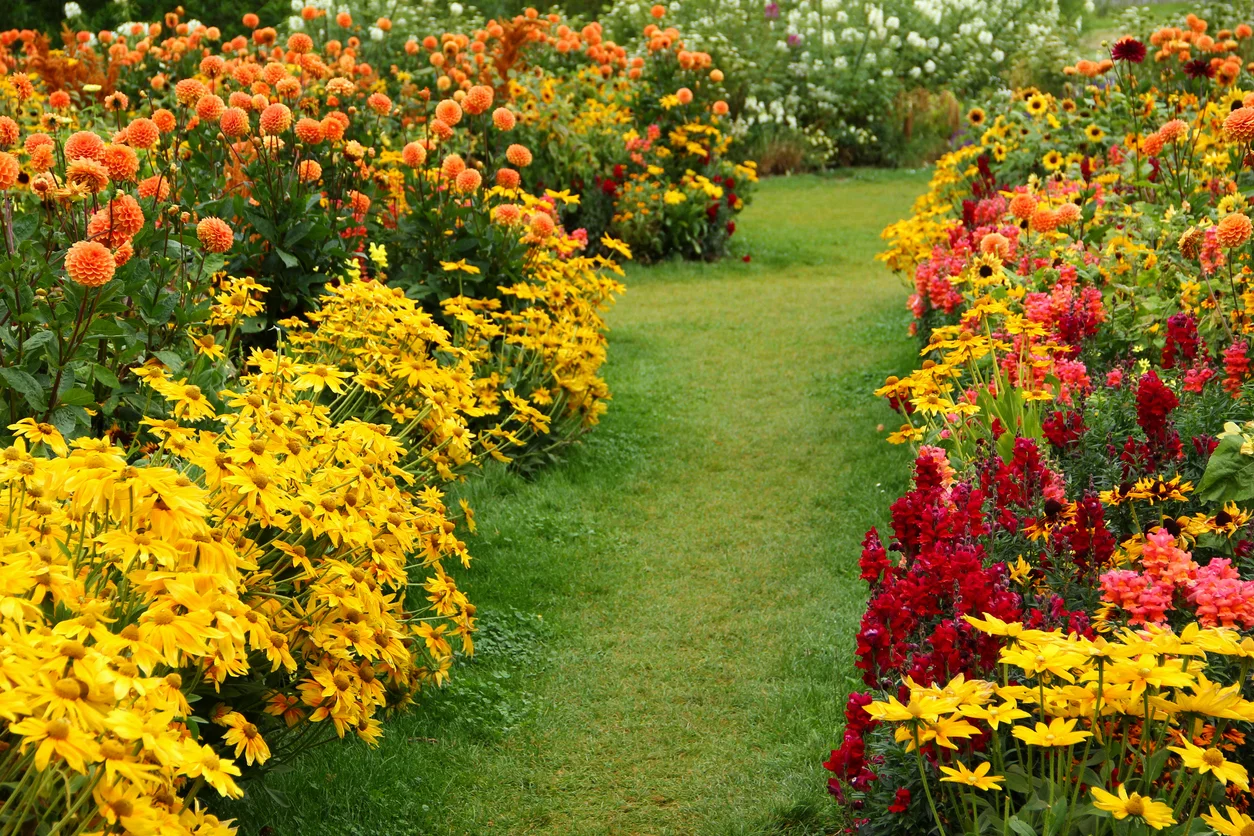
The true beauty of low-maintenance plants lies in their ability to bloom reliably and for extended periods. By choosing perennials that require minimal care, you can fill gaps in your hard landscaping effortlessly. Not only will these plants flourish with little intervention, but they also become vital sources of food for pollinators.
To support pollinators year-round, include perennials that bloom in early spring or late summer and continue into autumn when nectar sources are scarce. By doing so, you’ll be a steward of nature and enjoy a garden that bursts with color throughout the seasons.
Fuss-Free Plant Types
Wildlife-Friendly, Drought-Tolerant, and More
When seeking low-maintenance options, consider wildlife-friendly perennials, indigenous drought-tolerant plants, and low-maintenance ground cover varieties. Combine them in drifts to create a harmonious landscape that requires minimal attention. Embrace a diverse mix of foliage shapes and textures to add intrigue to your garden while keeping the maintenance workload to a minimum.
Incorporating these fuss-free plant types will not only simplify your gardening routine but also contribute to a thriving ecosystem in your outdoor space. With these plant choices, you’ll have more time to relax and enjoy your beautiful garden, which is not only better for you but also for the environment and the pollinators that bring life to your outdoor haven.