In response to the extreme and damaging weather conditions driven by climate change, gardeners are taking proactive measures to protect their outdoor spaces and “future-proof” their gardens. Strategies include the creation of natural windbreaks using flexible shrubs like the Camphor Bush and the multi-stemmed Brachylaena Discolour, as well as smart landscaping choices that reduce flood risk through permeable pathways and resilient indigenous plants. These measures aim to ensure the resilience and longevity of gardens in the face of climate-induced challenges.



Protecting Your Garden from Extreme Weather: Adapting and Future-Proofing
Climate Change Challenges for Gardens
The relentless march of climate change is unleashing extreme and devastating weather conditions upon us, wreaking havoc on our cherished gardens. In this era of environmental turmoil, gardeners find themselves grappling with the pressing need to adapt their green havens, striving to mitigate further damage and ensure the longevity of their outdoor sanctuaries. Let’s delve into some crucial strategies for safeguarding your garden against the onslaught of these climatic upheavals.
Battling the Wind: Creating Natural Windbreaks
The Wrath of the Wind
One of the most formidable adversaries that gardeners face is the destructive power of strong winds. These gusts can inflict irreparable harm upon vulnerable plants, trees, and shrubs. They mercilessly dry and scorch foliage, snap branches, and trigger soil erosion, leaving a trail of devastation in their wake.
Harnessing Nature’s Defenses
To counter the ferocity of the wind, gardeners are turning to the natural world for solutions. Building a natural windbreak is a wise choice, not only for fortifying your garden but also for fostering a nurturing microclimate that offers sanctuary to wildlife. Beware of solid barriers, such as fences, which can inadvertently exacerbate the issue by concentrating wind and creating destructive vortices.
Building a Resilient Windbreak
Selecting the Right Shrubs
Crafting an effective natural windbreak necessitates the use of shrubs with flexible branches and sturdy, leathery foliage capable of swaying gracefully in the face of the tempest. Ideal candidates for this role include the Camphor Bush (Tarchomanthus Camphoritus), a dense shrub graced with aromatic leathery leaves and clusters of white winter blossoms. Planting several of these together forms a robust, protective hedge.
The Bee-Friendly Barrier
For those seeking both protection and pollinators, the multi-stemmed Brachylaena Discolour proves a formidable choice. Additionally, the Callistemon, known as the Bottlebrush, offers a tough windbreak adorned with vibrant red, pink, or white blooms, enticing a plethora of insects.
Combatting Flood Risk: Smart Landscaping Choices
The Perils of Poor Drainage
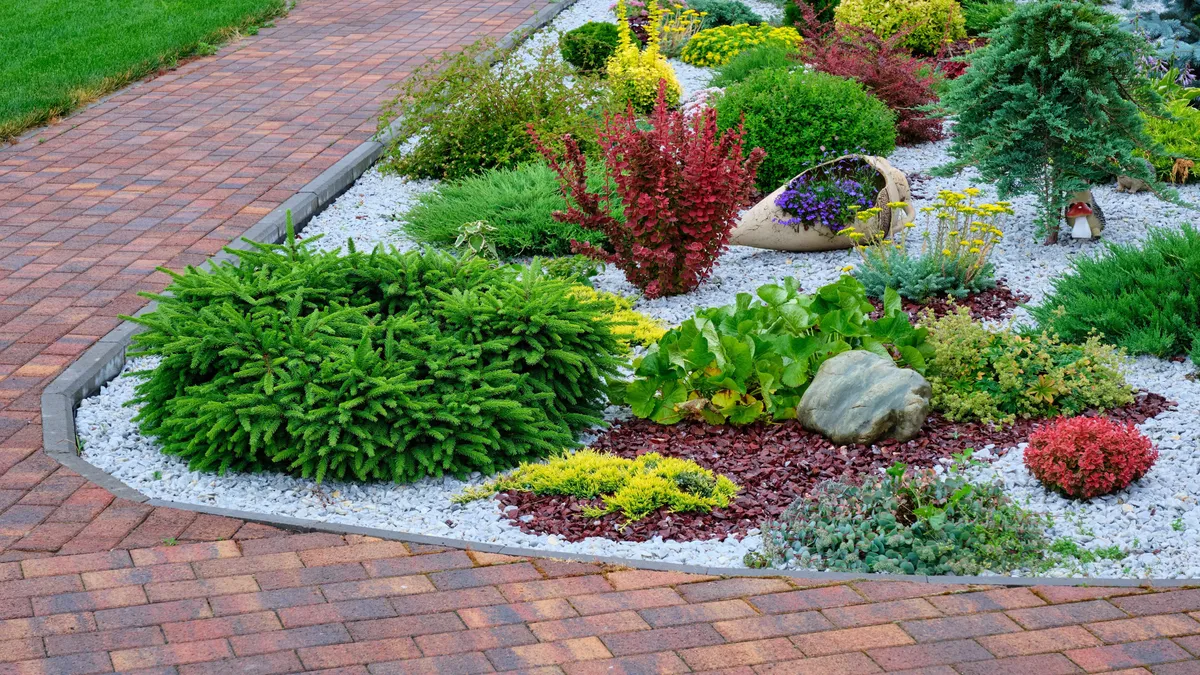
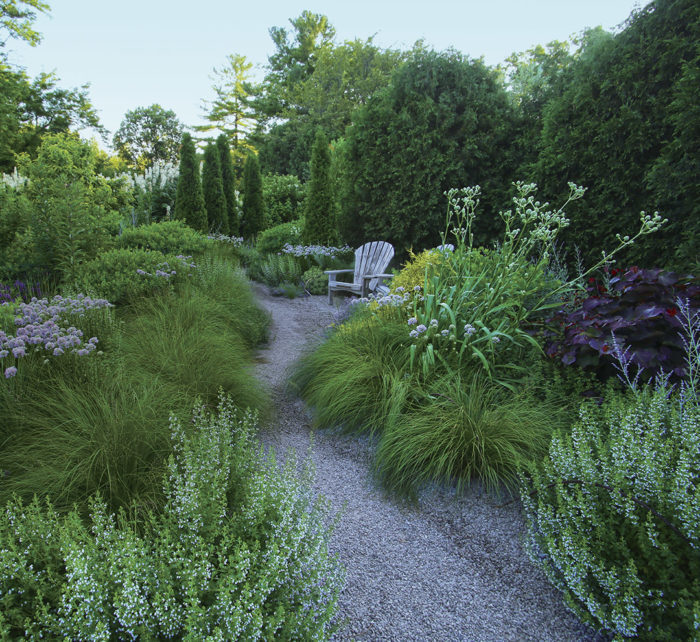
Another menacing aspect of climate change is the heightened risk of flooding. In the garden, this risk can be mitigated through thoughtful landscaping decisions. Avoid excessive hard surfaces and opt for permeable pathways, allowing water to seep away. Consider replacing hard landscaping with flower borders or a gravel garden to further minimize the flood risk.
Preparing Your Soil for the Worst
Enhancing Drainage
To endure extreme weather conditions, your soil should be free-draining. Achieve this by incorporating copious amounts of compost and topping it with bark chippings, effectively improving drainage. Embrace the resilience of indigenous, locally adapted plants, as they are better equipped to withstand the unpredictable rigors of our changing climate.
As climate change continues its relentless march, gardeners must adapt and innovate. By creating natural windbreaks, making savvy landscaping choices, and nurturing resilient plant life, we can future-proof our gardens and ensure they remain lush and vibrant in the face of adversity.