
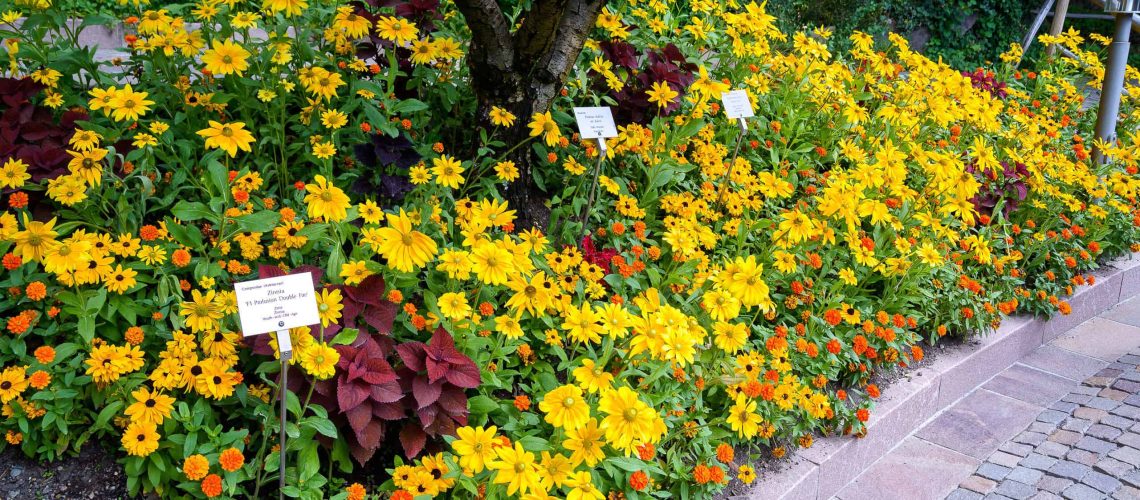

Echinacea, also known as Coneflowers or Rudbekias, are native perennials of North America that can withstand harsh conditions. They thrive in free-draining soil and are suitable for any style of garden. The popular Echinacea Purpurea has pink/purple blooms and roots with medicinal properties. The blooms attract pollinators and the petals are edible, making it a great herb garden addition. Regular deadheading and cutting back stems will ensure more flowers. Root cuttings can be taken in the Autumn to propagate new plants.


Introduction
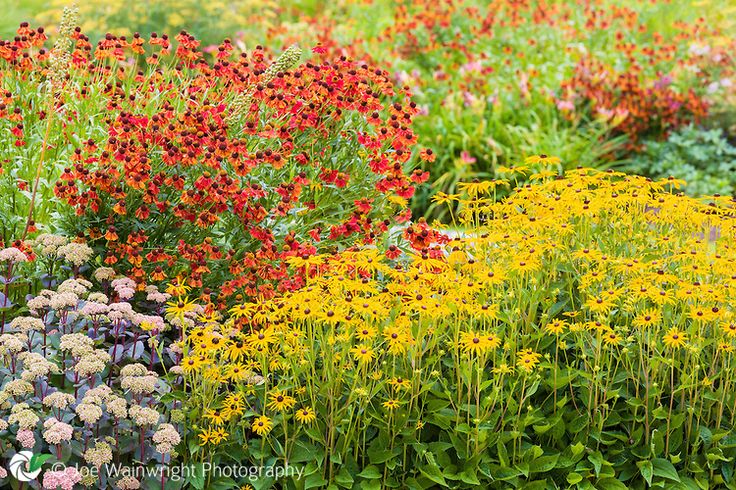
Echinacea, also known as Coneflowers or Rudbekias, are native to the prairies of North America. These perennials are known for their attractive blooms and ability to bring color and appeal to any garden. They are also water-wise and can withstand harsh conditions, making them ideal for a variety of garden styles.
Varieties of Echinacea
There are several different types of Echinacea to choose from, including the popular Echinacea Purpurea (purple coneflower). This variety has pink or purple blooms and roots with medicinal properties beneficial for the immune system. There is also a more compact hybridized version of Echinacea Purpurea with a wide range of colors, making it an excellent choice for cut flowers.
Other varieties of Echinacea include Echinacea ‘Cheyenne Spring’ with large yellow, purple, orange, red, pink and white blooms, Echinacea ‘Powwow’ in deep pink, and the compact Echinacea ‘Prairie Splendour’, perfect for container gardens.
Attraction to Pollinators
The daisy-like blooms of Echinacea are very attractive to pollinators such as butterflies, bees, and other insects. The single flowers also provide an important source of nectar. The cinnamon-brown seed head left after the petals have fallen is also a magnet for seed-eating birds.
Herb Garden
The petals of Echinacea Purpurea are edible, making it a great addition to the herb garden. It can be planted alongside Catmint (Nepeta mussini), Yarrow (Achillea), Basil and Bee Balm (Monarda).
Maintenance
Regular deadheading and cutting back of stems will ensure more flowers in the future. New plants can be propagated from root cuttings taken in the Autumn.
Conclusion
Echinacea is a versatile and attractive plant that can add color and appeal to any garden. With a variety of choices and ease of maintenance, it is a must-have for gardeners.


